There is an unusual rush at domestic terminals of major metro airports during the early hours. While many international flights operate around that time, most domestic operations in India are confined to late evenings.
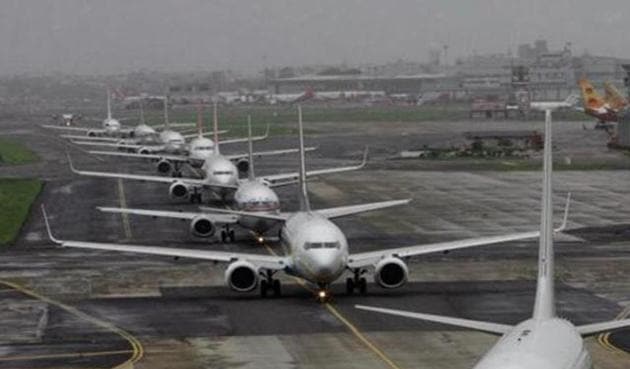
But this is changing with a surge in international fliers taking connecting flights to small towns from big metros, showed data.
Such flights which are operated in the dead of the night or early morning are known as red-eye operations inspired from bloodshot eyes resulting from travelling at odd hours.
For instance, Jet Airways, that handles majority of transit fliers in India, said that its red-eye operations more than doubled between 2014 and 2016. From just five flights in 2014 which largely originated from Mumbai, today the airline operates 13 such flights. The new flights don’t just connect other metros such as Delhi, Chennai, Kolkata and Hyderabad, some of them also connect smaller towns such as Pune and Goa.
“Earlier, international passengers arriving into India at midnight would have to wait at the airport for the morning flights. That has changed with red-eye flights,” said Gaurang Shetty, whole time director at Jet Airways, adding that the airline plans to add more such flights.
Two no-frills carriers, Indigo Airlines and SpiceJet, had also introduced red-eye flights in October last year. While the Indigo schedule offered almost four dozen such flights in a week, SpiceJet started a flight each on the Delhi-Bengaluru and Delhi-Nanded route.
{{/usCountry}}Two no-frills carriers, Indigo Airlines and SpiceJet, had also introduced red-eye flights in October last year. While the Indigo schedule offered almost four dozen such flights in a week, SpiceJet started a flight each on the Delhi-Bengaluru and Delhi-Nanded route.
{{/usCountry}}“Red-eye is a popular concept in the West, as they generally tend to be more economical than the day-time flights. More so, night flights are a good option for business and other frequent travellers, as they can conveniently attend their business meetings and take a late-night flight back, thus avoiding road traffic during peak hours,” said SpiceJet spokesperson Ajay Jasra.
The surge in the number of people taking early morning domestic flights has also showed the transit hotel occupancy patterns at Mumbai airport’s T2 terminal. The terminal has a dedicated hotel for transit fliers that offer rooms on hourly basis. “On an average, the transit hotel is 70% booked between 11pm and 4 am as compared to about 30% during the day time,” said a Mumbai International Airport Limited (MIAL) spokesperson.
Stay updated with all the Breaking News and Latest News from Mumbai. Click here for comprehensive coverage of top Cities including Bengaluru, Delhi, Hyderabad, and more across India along with Stay informed on the latest happenings in World News.
Stay updated with all the Breaking News and Latest News from Mumbai. Click here for comprehensive coverage of top Cities including Bengaluru, Delhi, Hyderabad, and more across India along with Stay informed on the latest happenings in World News.