While the etymology stays contested — like most other associated things — there has been some consensus among scholars that religion comes from the Latin verb religare, which means ‘to bind’. Ritual comes from ritus, which means a correct way of doing things. The roots of these words, along with their meanings and thus intent, appear forgotten when we look at some practices that are neither correct nor bind human beings, either to each other or to divinity. The annual mayhem created by the kanwariyas in the states of Uttarakhand, Uttar Pradesh, Haryana, and the National Capital Territory of Delhi is one good exhibit.
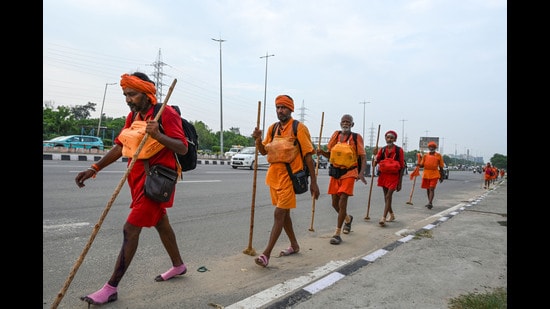
As monsoon peaks in the region, so does the pilgrimage of bringing the sacred — in the form of water from the Ganga — to one’s doorstep. Drops of gangajal are supposed to cleanse all mortal sins. So far, so good, but does it not, then, become almost blasphemous to engage in unlawful practices during this very journey? The kanwariyas clearly do not think so. Every year, many of these devotees, mostly young men, run amok with their entitlement to flout all laws of the land and are answerable to none. As if traffic disruptions, intolerable decibels of the DJ trucks, and littering at the pit stops aren’t enough, untramelled acts of violence against people and property have become a regular feature of the kanwar yatra. Extending tacit support of governments, no violation is serious enough to stir law enforcement into action, not even attacks on school buses, as happened in Lucknow on August 3. The issue here is not of policing faith but allowing people to use faith as a get-out-of-jail card.