E-Paper



Has Elon Musk fully thought through the bid to buy Twitter?
Does Musk have intentions to change the way we have known Twitter all along? Can he derail the work Twitter has been doing? Is he even fit to run the social media giant?

 Prefer HTon Google


The Elon Musk and Twitter saga has been rumbling on since the month began. From the very beginning, things didn’t seem right. They haven’t seemingly gotten any better since. The tweets aren’t possibly helping either. Recently, Elon Musk posted a tweet that simply read “Love Me Tender” (complete with music emojis, for effect). Is that a reference to the offer he made to Twitter shareholders? It surely cannot simply be the tech billionaire adding the Elvis Presley hit to a playlist on Spotify.
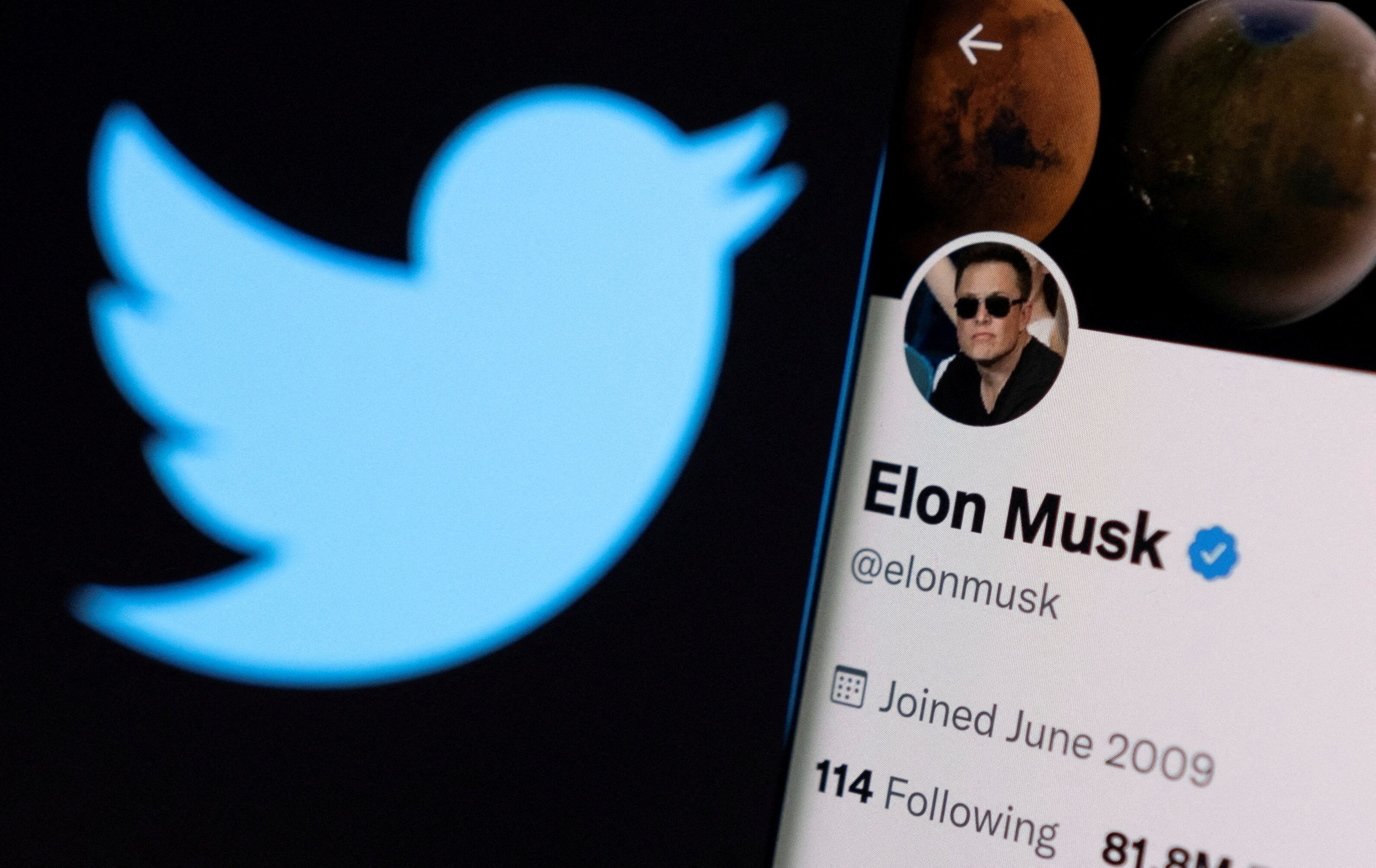
“It's important to the function of the United States as a free country and many other countries,” Elon Musk said, while speaking at a TED conference last week. “Civilisational risk is decreased, the more we can increase the trust of Twitter as a public platform,” he added. That isn’t entirely new, every tech leader envisions their social media platforms in this light. But can it ever be that? Musk will, if he takes the hot seat at Twitter, factor in the (often fluid, admittedly) local rules and laws in different countries.
It was late last week when Elon Musk put in a $54.20 per share offer to buy Twitter — a $43 billion proposal. That, just days after he got his hands on what was then described as a “passive” stake — 9.2% at the time. It transpired later that Musk turned down the offer to take a seat at the boardroom table. But why would he not place himself within the very group that can define the direction and policies guiding Twitter?
Turns out, Musk couldn’t have stretched his stake in Twitter any more than 14.9% if he took a seat on the board. He didn’t want to play by those rules. A few days later, the bid to buy Twitter, invoked what is called a “poison pill” response. In a nutshell, that means certain shareholders have the right to purchase more stock if another shareholder or buyer attempts to get complete control by attempting to buy stocks. In a way, Twitter has made it clear they wouldn’t very easily hand over the sole ownership of the social media company to Elon Musk.
It is not clear if Musk, individually or with the help of investment firms or perhaps even aligns with members already on the Twitter board, could raise the $43 billion offer further. And that is where Jack Dorsey, the Twitter founder who handed over the reins earlier this year to Parag Agrawal, may have a role to play. And if his “it’s consistently been the dysfunction of the company” tweet in a thread discussing the role any company’s board plays is anything to go by, there might be cracks wider than initially imagined. Dorsey remains on the Twitter board till the end of the year.
But this is where there’s a complication or two for Musk. In the days since Musk acquired the 9.2% stake, Twitter shares have risen around 15%. That number is still well lower than what Musk has offered, per share. At the same time, Tesla shares have slid around 9%. Is it that shareholders are fearing that their famous CEO may be too distracted by things? Is this a case of Elon Musk shifting attention at a time when Tesla has other struggles to deal with — the Shanghai production facilities shuttered due to the lockdown in the city, being an example.
As costs rise, Tesla has now discontinued bundling the mobile charger with its new electric cars – that’ll be an optional accessory, the price lowered to $200. It all came down to “usage statistics” and “based on feedback” if Elon Musk is to be believed. The company wants users to get the wall chargers installed before their new Tesla gets delivered and use the Supercharger network as well. Will there be more streamlining of the new car deliveries and what’s on the standard and options lists? Seems very likely.
The other question to ponder over is: Why does Elon Musk want to buy Twitter? It surely isn’t to rake in big profits. So far, the positioning of the bid and everything Musk has said about Twitter, has been packaged as a crusade for free speech and the fight against what have been deemed as inconsistent content policies on the platform. Twitter, over the years, has defined both sides of the coin. Rampant and often unchecked (or clamped down belatedly) misinformation as well as the proliferation of bots, alongside being a good source for aggregating crowdsourced information (such as the Russian invasion of Ukraine where official information is often not forthcoming).
Does Musk have intentions to change the way we have known Twitter all along? Before that, you’d need to possibly ask if Musk is the right person to be the torchbearer for this noble mission. His tweets have often been erring on the side of trolling and he has been found guilty of misinformation. Just a day ago, a tweet in 2017 by Musk which claimed that funding for carmaker Tesla had been secured, has been found “false and misleading” by a US judge. That tweet had a big impact on the company’s stock prices, which fluctuated for several days.
It has been very slow progress, but Twitter is finally finding its mojo (somewhat) on content moderation and policies, as well as new revenue streams. The social media network has widened the tools available for content reporting and moderation, may be working on a tweet edit button and has been more actively labeling tweets where disclaimers are required (that includes politicians spreading fake news and accounts affiliated with governments but a distinction that may not be clear otherwise). Could Musk stepping in with his vision of how a social media network should be crafted, derail all that?