
 E-Paper



Pave the path to safe and accessible abortions for all
Legal changes are necessary, but they are not entirely sufficient. We simultaneously need to improve the capacity of service providers and ensure better quality of care so that abortion services are accessible to the most disadvantaged

 Prefer HTon Google


In a historic verdict, the Supreme Court (SC) on September 29 said all women had the right to abort a pregnancy and held that an artificial distinction between married and unmarried women could not hinder them from exercising complete reproductive autonomy. In India, abortion is governed under the Medical Termination of Pregnancy (MTP) Act, 1971, which was amended last year. The changes made it relatively progressive but it still imposed many conditions on abortion (the 20-24 week window was only available in circumstances such as sexual assault and health complications, and so on). The SC’s expansive interpretation of the Act could lay the foundation for a more progressive abortion regime, reducing the number of people opting for unsafe procedures.
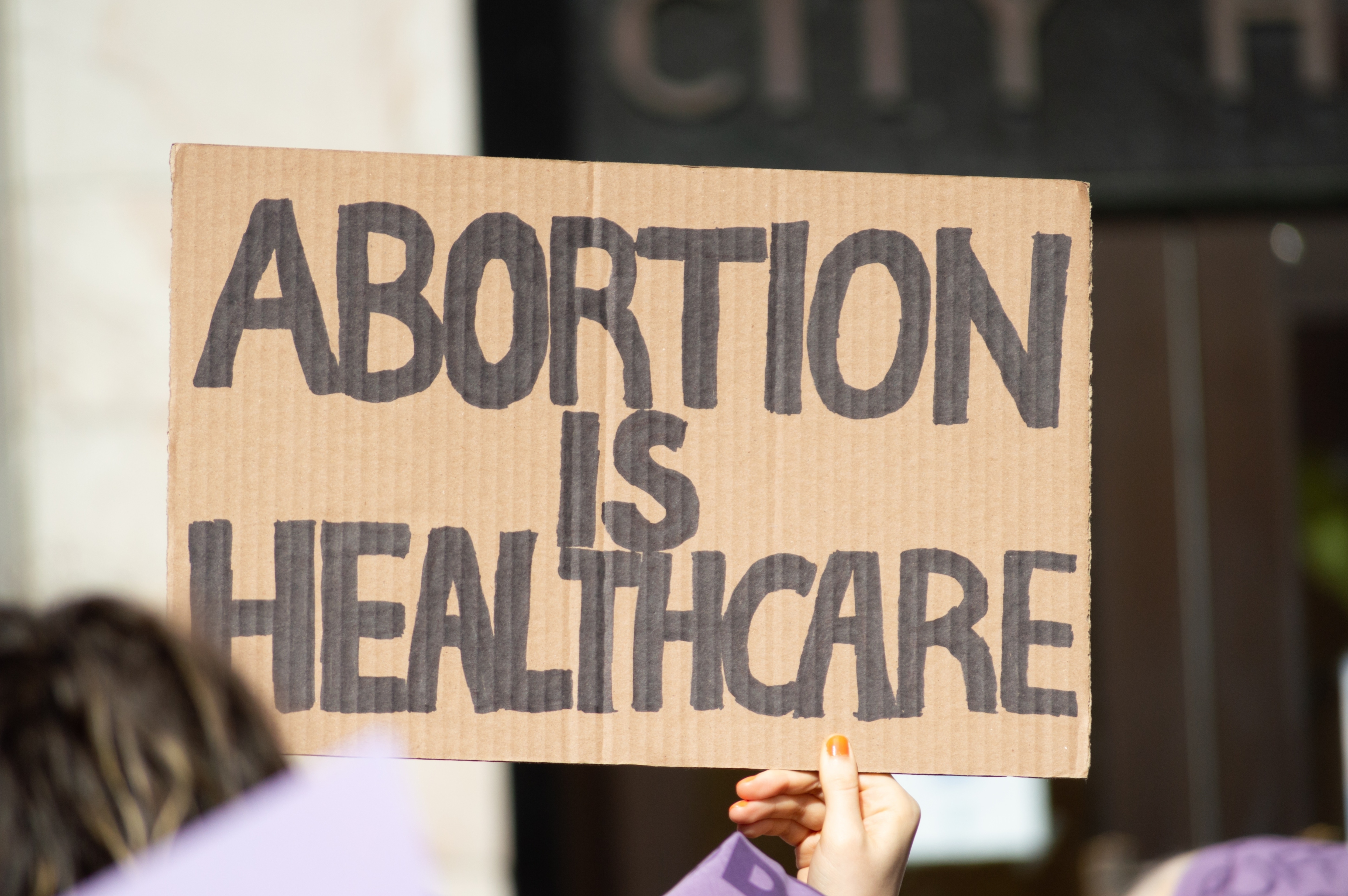
A striking aspect of the judgment is its placement of reproductive rights at the core of the debate on abortion. “The ambit of reproductive rights is not restricted to the right of women to have or not have children,” the judgment said. “Reproductive rights include the right to access education and information about contraception and sexual health, the right to decide whether and what type of contraceptives to use, the right to choose whether and when to have children, the right to choose the number of children, the right to access safe and legal abortions, and the right to reproductive healthcare.” The bench was careful in stressing that the judgment also applied to those who may not identify as women but may need access to abortion services.
The judges stressed that access to sex education is not only needed but also must be considered an important right. In the eyes of the court, the government “must see to it that all segments of society are able to access contraceptives” and that “treatment must not be denied on the basis of one’s caste or due to other social or economic factors.” This will, hopefully, reverse problems of accessing abortion services faced by marginalised women.
The judgment strikes the right notes, but we must acknowledge that to make abortion accessible, we need to do much more. Regardless of its legal status, abortion remains inaccessible to a large chunk of our population. As mandated by the MTP Act, termination of pregnancy can be performed only by doctors with a gynaecology or obstetrics specialisation.
Statistics released by the ministry of health and family welfare in May 2021 state that almost 70% of posts for obstetricians and gynaecologists are vacant in India. This limits women’s access to safe abortion services. A majority of the abortions (about 53%) are performed in the private sector. This makes the service inaccessible for marginalised communities.
The court noted how access to abortion is impeded by several other hurdles. “Despite the enactment of the MTP Act, a number of hurdles continue to prevent full access to safe and legal abortions, pushing women to avail of clandestine, unsafe abortions,” the court found. As per a 2015 Lancet report, 15.6 million abortions take place in India annually. The barriers to accessing abortion services include an insufficient number of facilities offering safe and comprehensive abortion care as per World Health Organization (WHO) standards, lack of certified staff, shortages of equipment and supplies, and failures to ensure privacy and confidential care.
According to the United Nations Population Fund, 45% of all abortions around the world are unsafe, making them a leading cause of maternal death. Though it didn’t give India-specific numbers, it added that “almost all unsafe abortions currently occur in developing countries”.
Legal changes are necessary, but they are not entirely sufficient. We simultaneously need to improve the capacity of service providers and ensure better quality of care so that abortion services are accessible to the most disadvantaged.
Capacity-building and sensitisation of health providers will not only help address prevailing stigmas pertaining to abortion but also enable them to be scientific, objective and compassionate in their approach to abortions – notwithstanding a person’s marital status, caste, class or gender identity.
Poonam Muttreja is executive director and Martand Kaushik is a media and communications specialist, Population Foundation of India
The views expressed are personal


