Last week, India heaved a sigh of relief when the India Meteorological Department and Skymet, a private forecaster, predicted a normal monsoon. If all goes well, this will be the fourth consecutive monsoon that has been “normal” or “above normal.” A good monsoon will ensure sufficient yield in agriculture (40% of India’s net sown area is rain-fed), replenish 100 large reservoirs critical for drinking water, irrigation and power generation, and keep the pressure on retail inflation low.
Unfortunately, citizens, especially
Last week, India heaved a sigh of relief when the India Meteorological Department and Skymet, a private forecaster, predicted a normal monsoon. If all goes well, this will be the fourth consecutive monsoon that has been “normal” or “above normal.” A good monsoon will ensure sufficient yield in agriculture (40% of India’s net sown area is rain-fed), replenish 100 large reservoirs critical for drinking water, irrigation and power generation, and keep the pressure on retail inflation low.
Unfortunately, citizens, especially in urban areas, take the monsoon rains for granted, and fail to conserve the bounty. Last year, while launching the Jal Shakti Abhiyan, Prime Minister Narendra Modi urged the nation to take up water conservation. Unfortunately, people’s participation in water conservation continues to be weak.
This is imprudent and reckless behaviour for a country facing a terrible water crisis and climate crisis, which could make the monsoons erratic and volatile.
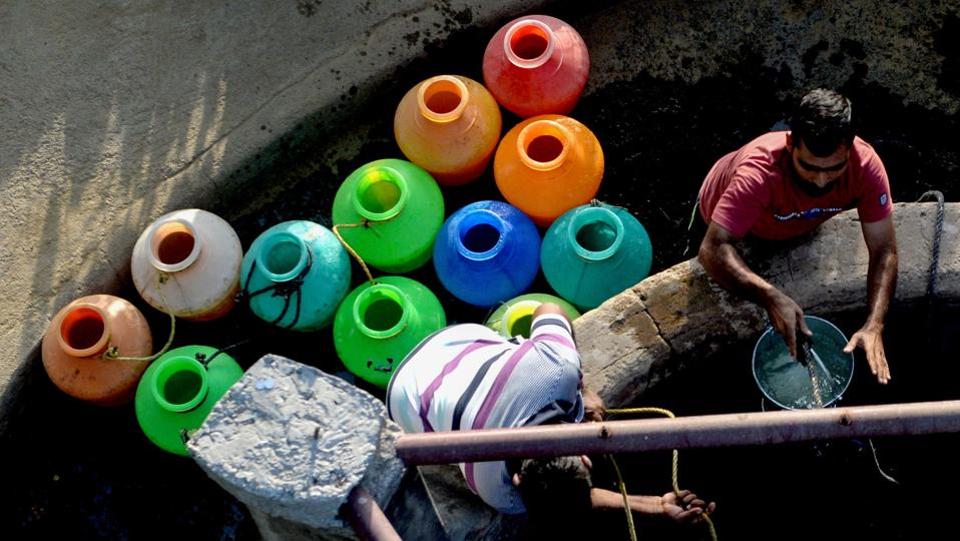
According to the Central Ground Water Board, as many as 256 of 700 districts of the country have reported “critical” or “over-exploited” groundwater levels. A NITI Aayog report in 2018 stated that 600 million people, or nearly half of India’s population, face extreme water stress.
Home to a fifth of the world’s population, India has only 4% of the world’s water. But the country is the largest extractor of groundwater globally, with 90% used for agriculture. The water stress also leads to increasing protests and clashes over the crucial natural resource. Many experts have said that the country’s deepening water crisis was at the heart of the farm protests that rocked the country last year.
India’s water conservation legacy
India has a strong legacy of judicious water use and conservation.
I recently came across an inspiring and exciting effort by Pallavee Gokhale of IISER, Pune. She has been documenting the water supply system of Pune built during the Peshwa Period (18th century).
“It is a testament to exemplary engineering, administration and city planning,” she says.
As a schoolgirl in the 1980s-1990s, water cuts and water shortages were routine events for Gokhale. “As a kid, I enjoyed it because I used to get a chance to go across the street, fetch a few buckets of water from a mysterious small cistern, called the Kala Haud,” she adds.
Today, this abiding childhood memory has become her research interest, and Gokhale is mapping and uncovering the Peshwa-built complex system of cisterns/ reservoirs (Haud), dipping wells (Uchchhwas), and underground human-made aqueducts (Nal/ Nahar).
“This magnificent system with more than 20 km long network and 200+ outlets are part of the rich water heritage of Pune. However, accelerated urbanisation over the last few decades has left many components of this system either abandoned or destroyed,” says Gokhale.
India’s legacy water harvesting network is diverse: There are khadins (harvest surface runoff), talabs (ponds), johad (percolation pond), and baoli (man-made step well) and ahar-pynes (traditional floodwater harvesting system). But, like what is happening in Pune, we are losing them at a fast pace due to development pressures, lack of knowledge and disinterest of governments to restore and maintain them.
Water literacy is crucial
To save such traditional water sources and networks, citizens must be made water literate.
A water literacy campaign can comprise three significant steps, says the 2001 Magsaysay Award winner Rajendra Singh, who also pioneered the concept of water parliaments. I attended two of them in Alwar, Rajasthan, back in 2000, and witnessed how communities joined hands to revive River Arvari, which originates from the Aravallis, by restoring its catchment areas.
First, Singh says, citizens must understand water, which means learning about all water sources, from glaciers to groundwater and the water cycle, the flora-fauna, and the socio-economic landscape dependent on these water sources.
The second is practising water conservation through various measures, including rainwater harvesting and wastewater management.
The last step, he adds, is making other people understand and save water.
To end on a positive note on the eve of Earth Day, which is tomorrow (April 22), many local communities across the country are revitalising and protecting these traditional water harvesting structures across India.
But this is not enough.
It’s important to start a large-scale nationwide campaign to make every citizen aware of India’s strong legacy of water conservation, build their capacity to take care of local traditional water harvesting systems, and encourage them to take up water conservation at an individual level.
These steps will be crucial to offset a water crisis in an era of the deepening climate crisis and revive the deep relationship between water bodies/structures and communities.
The views expressed are personal
One Subscription.
Get 360° coverage—from daily headlines
to 100 year archives.
Archives
HT App & Website