
 E-Paper



Scientifically Speaking | Dialing down the dopamine that fuels our addictions
Through an empathetic discussion of anonymized stories (all obtained with informed consent), Dr Lembke has made it clear that we are not alone in fighting these biological demons

 Prefer HTon Google


We are currently facing an attention, anxiety, and addiction crisis driven by easy access to physical and behavioural drugs. Right now, there are people walking across streets or sharing meals in their homes oblivious of one another because they’re mesmerized by their smartphones.
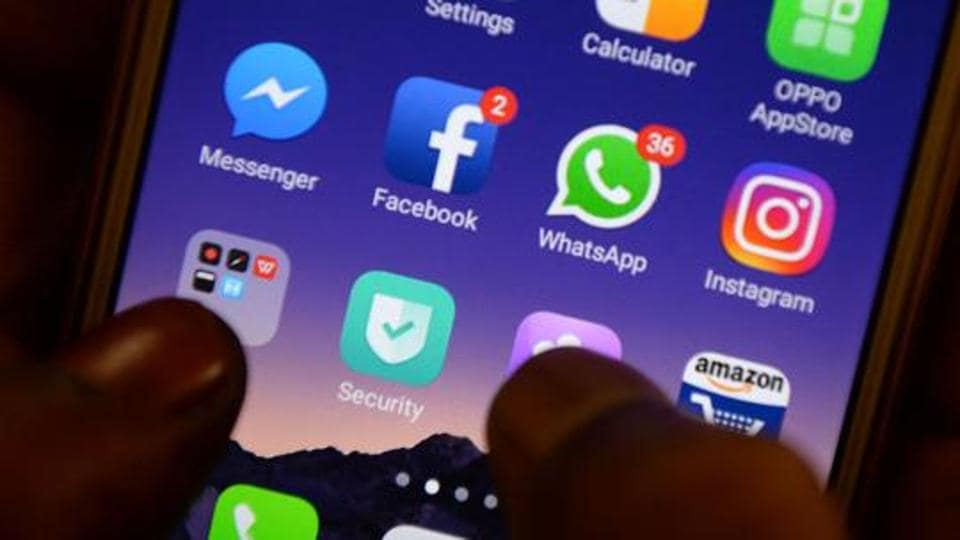
Dr Anna Lembke is a Professor of Psychiatry at Stanford University and author of the fascinating new book, Dopamine Nation: Finding Balance in the Age of Indulgence. “The smartphone is the modern-day hypodermic needle, delivering digital dopamine 24/7 for a wired generation,” she writes, adding, “If you haven’t met your drug of choice yet, it’s coming soon to a website near you.”
The title of the book refers to dopamine, the key chemical our brains release when we experience pleasure, reward, and motivation. Dopamine is also a “currency” for the addictive potential of a drug. The book, which is one of the best I’ve read all year, deals with Dr Lembke’s professional and personal experiences with excessive and compulsive overconsumption. Distilled to a sentence, her main observation is that we need to pursue balance in all activities and that the “relentless pursuit of pleasure (and avoidance of pain) leads to pain.”
The idea itself is not new. It can be traced back to Eastern philosophy and the concept of equanimity. Even Gautam Buddha extolled the Middle Path in which extremes of pleasure and pain are shunned.
Our brains seek out pleasure and avoid pain, but they’re two sides of a balance. Dopamine is necessary and ever-present in the background, but when we experience pleasure, even more of the chemical is released. The problem is that in a world of overabundance where we can seek out and readily obtain our source of pleasure, the brain is awash in too much dopamine. Striving to maintain a balance between pleasure and pain, the brain consequently slows down natural production.
Dopamine Nation provides compelling stories of everyday people interspersed with research from neuroscience to highlight the challenges we face in an age of overabundance and overstimulation. The book also provides an incredibly useful framework for identifying and dealing with addiction – whether it is to drugs, food, social media, news, running, or video games – in ourselves and in society.
The science is clear. Getting hooked to something is a combination of genes, opportunity, and mental state at the moment. It is certainly not a moral failing, but a consequence of overstimulating the brain circuitry of the reward pathway where dopamine is released.
The gambling, shopping, game, and social media apps on our phones are addictive. Using them is stimulating and we form repetitive patterns. These patterns become habits. After a while, they become routine. People no longer know when or how many times they pick up their phones. The glow of the phone is the last thing they see at night and the first thing in the morning. But these activities don’t make them happier or less anxious. In fact, there’s even a term for the repetitive action of going down a timeline and absorbing bad news – “doomscrolling”.
Addiction occurs when the body chronically reduces dopamine levels so that the feel-good “high” occurs only with addicted drugs or behaviour. Dependence builds up over time so more of the drug is needed and relationships and daily functioning start to get impacted by drug-seeking behaviour. People experience anxiety, depression, craving, and negative emotions in absence of the drug.
The magnitude of the effect may be different for hard drugs. Professional help is advisable with these chemicals since abstinence can result in serious withdrawal symptoms. But what Dr Lembke points out is that severe addictions and more socially acceptable ones have many of the same underlying neurological pathways. One difference is the magnitude of the brain’s response. Those with severe addiction know their lives will get better if they stop using, but they’re often physiologically incapable of kicking the habit without professional help.
The good news is that there is hope. Through an empathetic discussion of anonymized stories (all obtained with informed consent), Dr Lembke has made it clear that we are not alone in fighting these biological demons. And there is a practical path to getting compulsive behaviour under control.
The process of recovery starts with collecting data and examining its effects. One of the crucial steps is a dopamine-fast to rebalance dopamine levels. Dr Lembke notes that two weeks may work for certain cases, but around four weeks of abstinence is needed for restorative balance. After that abstinence period, comes a phase of mindfulness.
One of the ways to put a pause on consumption is to put in literal and psychological barriers to make drug use more difficult and deliberate. With apps, for example, makers know that repetitive use is easy, so they encourage it with shiny notifications.
To counter media overuse, time limits can be set on the use of apps. Physical barriers can be device-free areas such as dining areas and bedrooms. Barriers can include deleting apps altogether or keeping devices inside lockboxes. The goal is to make it harder to get from impulse to the immediate dopamine trigger. Each added step requires purposeful intent.
Exercise can also rebalance the pain side of the pleasure-pain balance. The key is not to get hooked to the restorative activity because it too can also become addictive. Substituting one pleasurable activity for another pleasurable (or even painful) one can lead to a new addiction.
Anirban Mahapatra, a scientist by training, is the author of COVID-19: Separating Fact From Fiction.
The views expressed are personal


