
 E-Paper



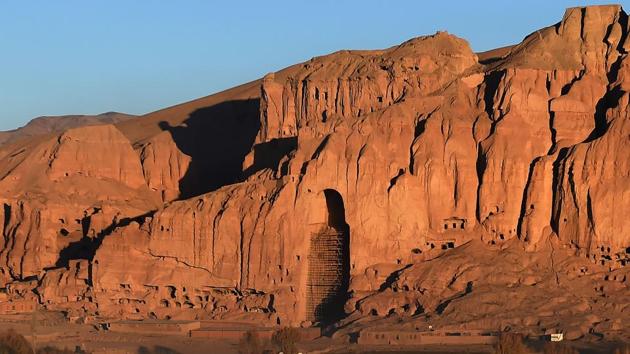
Bamiyan Buddha: How the Afghan heritage site is being rebuilt bit by bit
The hollow that once housed one of the giant Buddha statues, which were destroyed by the Taliban in 2001, are pictured in Bamiyan province. (AFP)
Updated on: Nov 30, 2016 7:19 PM IST

Share via


Copy link

1/9
 View Photos in a new improved layout
Updated on Nov 30, 2016 7:19 PM
The hollow that once housed one of the giant Buddha statues, which were destroyed by the Taliban in 2001, are pictured in Bamiyan province. (AFP)
2/9
 View Photos in a new improved layout
Updated on Nov 30, 2016 7:19 PM
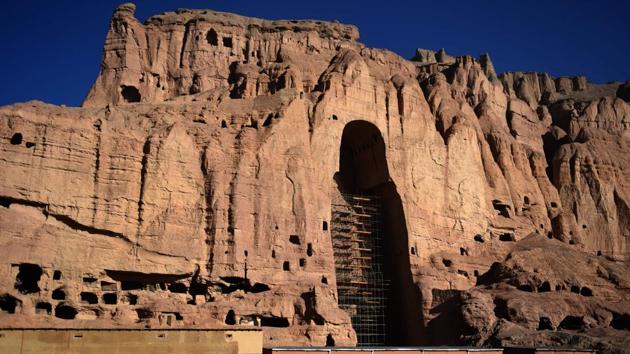
For centuries they stood, two monumental ancient statues of Buddha carved into the cliffs of Bamiyan, loved and revered by generations of Afghans. (AFP)
3/9
 View Photos in a new improved layout
Updated on Nov 30, 2016 7:19 PM
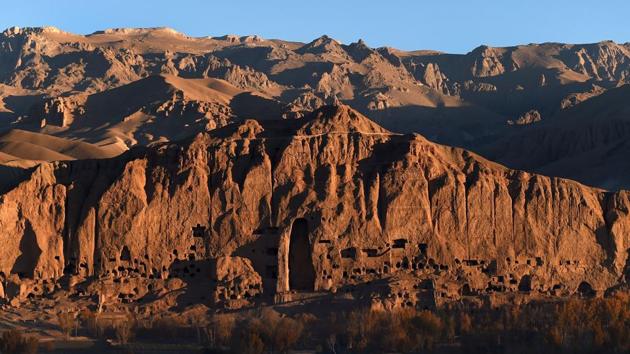
It was pulverised by the Taliban in an act of cultural genocide. (AFP)
4/9
 View Photos in a new improved layout
Updated on Nov 30, 2016 7:19 PM
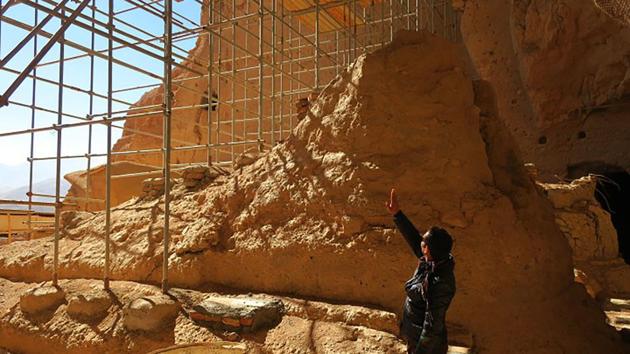
Afghan archeological guard, Hakim Safam, stands in front of the reconstructed foot of the Salsal Buddha, which was 58 metres high before being destroyed. (AFP)
5/9
 View Photos in a new improved layout
Updated on Nov 30, 2016 7:19 PM
An Afghan Hazara man walks past the empty seat of the Buddha statue. Fifty-five sites out of a total of 1,052 heritage sites around the world, are currently on the UN cultural organisation's list of World Heritage in Danger. (AFP)
6/9
 View Photos in a new improved layout
Updated on Nov 30, 2016 7:19 PM
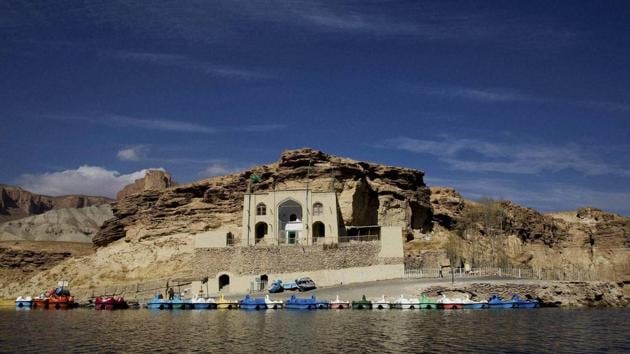
This is Band-e-Amir in Bamiyan. The cascading collection of deep-blue high-mountain lakes became Afghanistan's first provisional national park on April 22, 2009 as the violence-plagued nation took a big first step toward protecting one of its finest natural treasures. (AP)
7/9
 View Photos in a new improved layout
Updated on Nov 30, 2016 7:19 PM
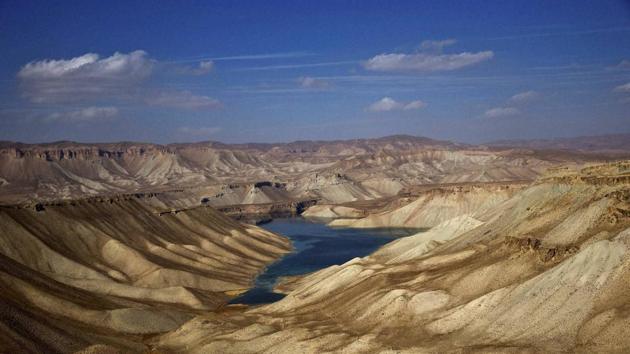
Seen here, a part of Band-e-Amir in Bamiyan province. (AP)
8/9
 View Photos in a new improved layout
Updated on Nov 30, 2016 7:19 PM
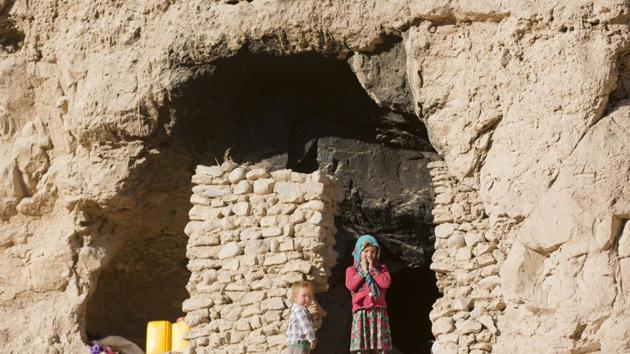
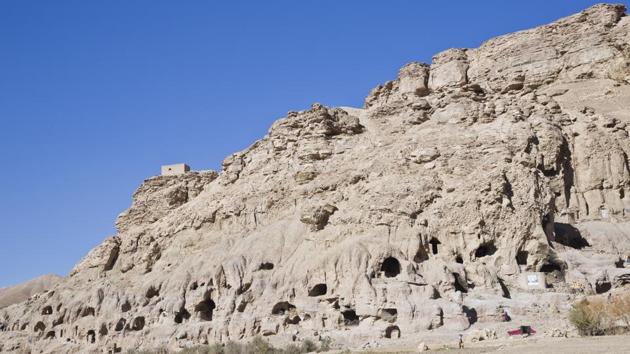
An Afghan girl, Shepha Qah, 8, and her brother stand by the door of their cave in Bamiyan. The cave-dwelling families of the province struggle to get by on the bare minimum. But even this bare-bones way of life is now under threat as the government relocates residents to pave the way for transforming the man-made grottoes into a global tourist destination. (AP)
9/9
 View Photos in a new improved layout
Updated on Nov 30, 2016 7:19 PM


