
 E-Paper



Photos: Delhi’s Dalit-dominated localities will shun ‘Harijan’ tag
In 1931, Mahatma Gandhi popularised the word ‘Harijan’ which translates to “Children of God” and used it for Dalits, then commonly referred to as “untouchables”. The word, that was originally coined to refer to the children of Devdasis, who were sex workers, is now condemned by Dalits. It was termed “abusive” by the Supreme Court in 2017. The areas populated by Dalits in Delhi have the generic name ‘Harijan Basti’. These areas are likely to be renamed soon – with the word Harijan removed.
Updated on: Apr 05, 2019 2:55 PM IST

Share via


Copy link

1/7
 View Photos in a new improved layout
Updated on Apr 05, 2019 2:55 PM
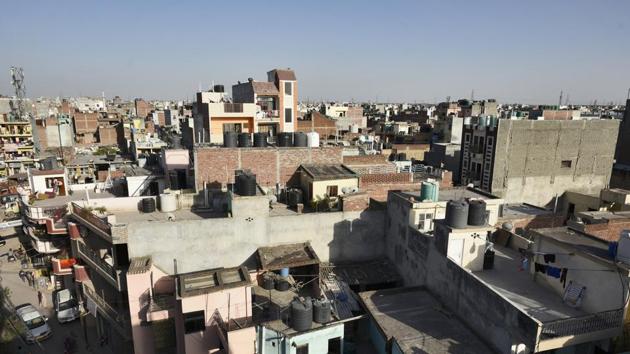
Deoli, a Harijan basti near Ambedkar Nagar in Delhi. Harijan Basti is a generic term that is still in use in thousands of Dalit-dominated localities across India. The word ‘Harijan’ -- that was popularised by Mahatma Gandhi to refer to Dalits -- is now condemned by many people from the community. Consequently, Dalit-dominated areas in the city that go by the name “Harijan Basti” are likely to be renamed soon – with the word Harijan removed. (Burhaan Kinu / HT Photo)
2/7
 View Photos in a new improved layout
Updated on Apr 05, 2019 2:55 PM
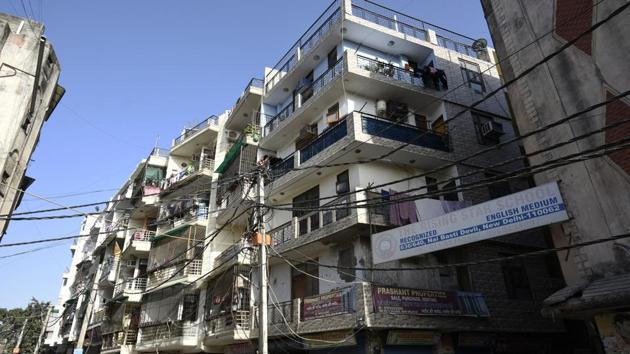
On March 6, the office of the minister of social welfare in Delhi sent a proposal on this to the Delhi urban development department. “Once the proposal is cleared, the renaming of Harijan Bastis can be done through an executive order of the government,” Delhi’s social welfare minister Rajendra Pal Gautam said. Residents in each colony will be given a chance to choose the new name. (Burhaan Kinu / HT Photo)
3/7
 View Photos in a new improved layout
Updated on Apr 05, 2019 2:55 PM
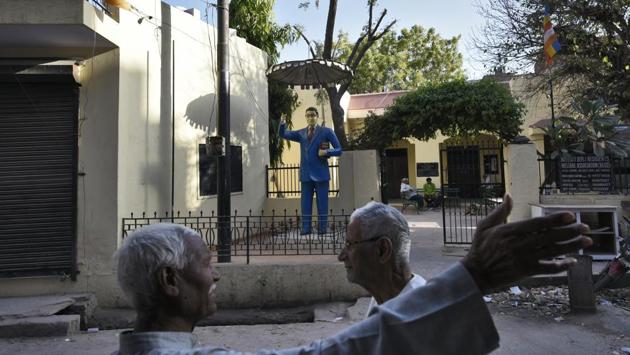
According to Vivek Kumar, a professor of sociology in Jawaharlal Nehru University, the word Harijan was coined by Narsi Mehta, a 15th century poet-saint from Gujarat. He used that word for the children of the Devdasis, a commonly used Sanskrit term for temple sex workers. India’s first law minister, BR Ambedkar, was always against the usage of the word. He maintained that ‘Harijan’ was superficial and did not represent the true characteristic of the community. (Burhaan Kinu / HT Photo)
4/7
 View Photos in a new improved layout
Updated on Apr 05, 2019 2:55 PM
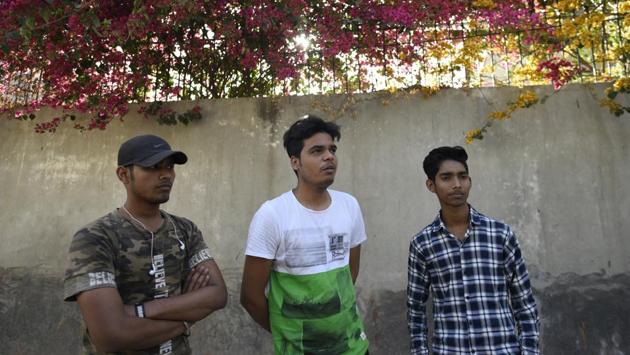
Residents of Deoli near South Delhi’s Ambedkar Nagar. The trend of changing names is not new. The Ambedkar Nagar area was earlier called Khanpur Harijan Basti. Some residents of Harijan Bastis go by their first names, owing to the stigma attached to being from a lower caste. Inhabitants of these localities in their late teens wish to attend regular colleges after graduating from their respective schools. (Burhaan Kinu / HT Photo)
5/7
 View Photos in a new improved layout
Updated on Apr 05, 2019 2:55 PM
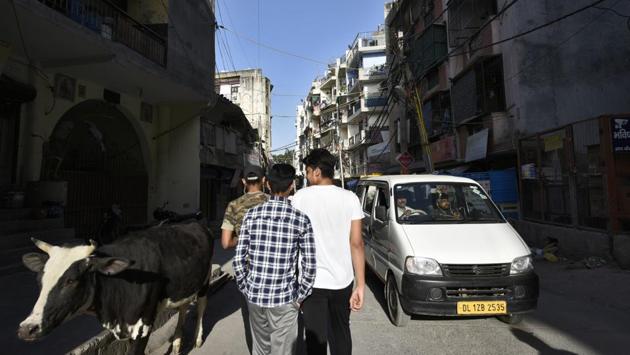
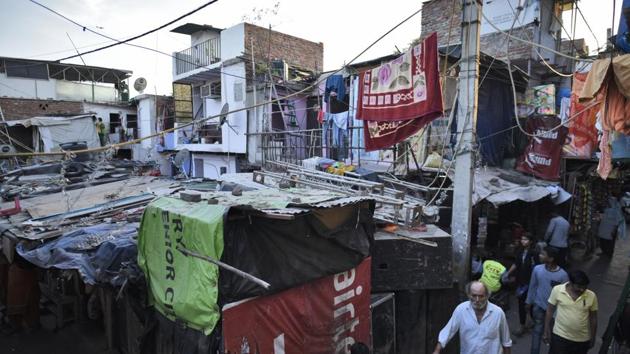
Deoli is believed to be the oldest Harijan Basti, and is visibly more developed than the Harijan Bastis located in and around slums and unauthorised colonies – both in terms of demography and infrastructure. The roads are concrete, the drains covered, the buildings are plastered, there are schools and healthcare facilities visible, more children attend schools and people have better jobs. (Burhaan Kinu / HT Photo)
6/7
 View Photos in a new improved layout
Updated on Apr 05, 2019 2:55 PM
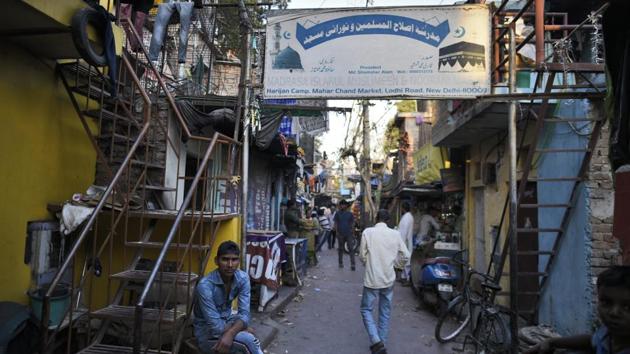
A view of a Harijan Basti near Mehar Chand market at Lodhi Road. Over the years, some of the Harijan Bastis have seen migration from other castes too. At this basti, currently stuck in a legal dispute for alleged encroachment, half the residents, including the person they call their pradhaan (chief) are Muslims. (Burhaan Kinu / HT Photo)
7/7
 View Photos in a new improved layout
Updated on Apr 05, 2019 2:55 PM


