
 E-Paper



Photos: Birds of India, DAG’s stunning exhibition of paintings from 1800 to 1835
The works, on display at the DAG gallery in Delhi, were created by Company painters, Indian artists who worked in a new hybrid style that used Indian and European influences.
Published on: Sept 3, 2021 4:56 PM IST


Share via


Copy link

1/12
 View Photos in a new improved layout
Published on Sept 3, 2021 4:56 PM
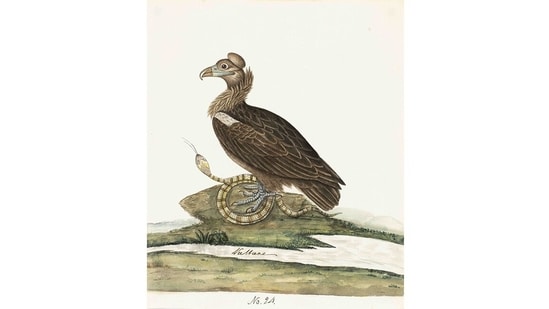
Company Paintings - 1800 to 1835 is India’s first exhibition of its kind devoted entirely to Indian birds. They’re works by unknown Indian masters commissioned by the British East India Company in the late 18th and early 19th centuries, to document India’s animals, plants, monuments and people. This image is of a Cinereous Vulture (Aegypius monachus). (Courtesy DAG Gallery)
2/12
 View Photos in a new improved layout
Published on Sept 3, 2021 4:56 PM
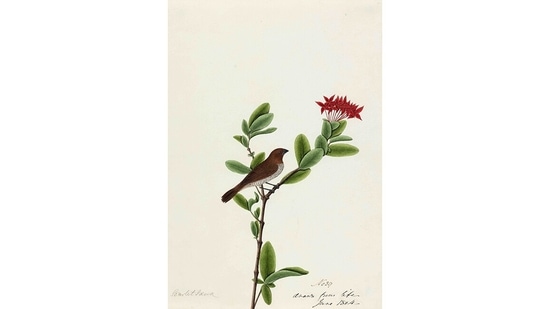
The exhibition features 125 paintings. The birds depicted in this exhibition include raptors, game birds, coastal waders and many woodland and forest birds, some very familiar and several that are now scarce. This image is of a Scaly-breasted Munia (Lonchura punctulata). (Courtesy DAG Gallery)
3/12
 View Photos in a new improved layout
Published on Sept 3, 2021 4:56 PM
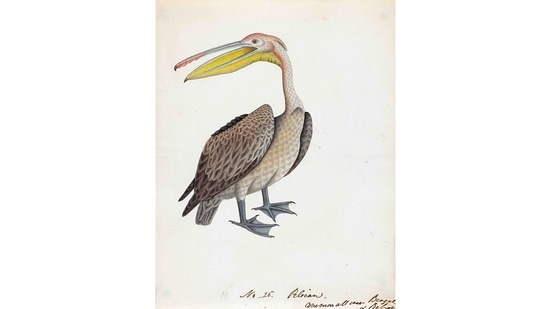
The majority, 99 images have been sourced from the album of Cunninghame Graham, with works dated from 1800 to 1804. Additional works have come from an 1810 album of birds from north-east India, which use exaggeratedly vivid colours; the Faber album from 1830; and four folios by Chuni Lal of Patna assembled in 1835. This image is of a Spot-billed or Grey Pelican (Pelecanus philippensis). (Courtesy DAG GAllery)
4/12
 View Photos in a new improved layout
Published on Sept 3, 2021 4:56 PM
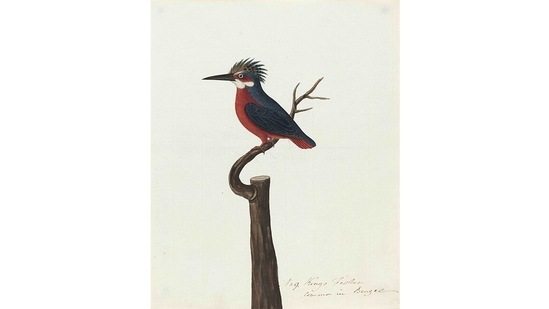
Combining the delicacy and details of Mughal atelier-trained artists with the refinement and rationalisation of European art, the works signify a hybrid Indian style unique to the Indian subcontinent whose patronage was almost entirely British. This image is of a Blyth’s Kingfisher (Alcedo Hercules). (Courtesy DAG GAllery)
5/12
 View Photos in a new improved layout
Published on Sept 3, 2021 4:56 PM
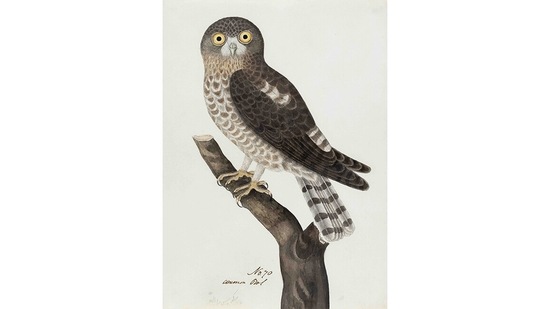
Unfortunately, the patrons who commissioned these works didn’t record the names of the artists who worked on them. The Indian painters, then, remain largely anonymous. This image is of a Spotted Owlet (Athene brama). (Courtesy DAG Gallery)
6/12
 View Photos in a new improved layout
Published on Sept 3, 2021 4:56 PM
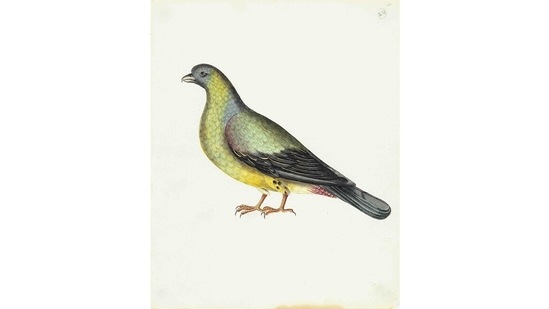
The show is part of the DAG’s effort to take Indian art to wider audiences. Curator Giles Tillotson, Senior VP of exhibitions and publications at DAG, hopes it will attract bird lovers, history lovers and individuals who wouldn’t frequent art galleries as often. This image is of a Yellow-footed Green Pigeon (Treron phoenicopterus). (Courtesy DAG Gallery)
7/12
 View Photos in a new improved layout
Published on Sept 3, 2021 4:56 PM
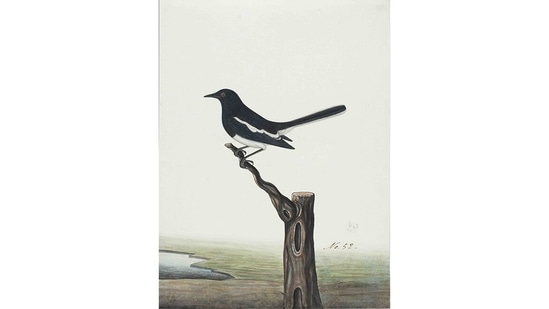
The exhibition is accompanied by a book that delivers a wide-ranging study of birds through Company Paintings –undertaken for the first time in India. This image is of an Oriental Magpie Robin (Copsychus saularis) (Courtesy DAG Gallery)
8/12
 View Photos in a new improved layout
Published on Sept 3, 2021 4:56 PM
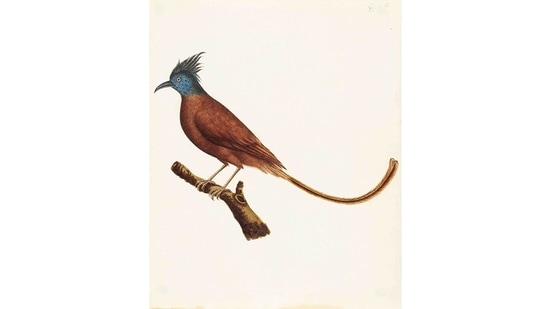
Company paintings are scattered worldwide. London’s Victoria & Albert Museum has more than 2000 Company works in its collection. In 2018, Mumbai’s CSMVS museum’s show Indian Life and People in the 19th Century, displayed 120-odd Company paintings and sculptures from its own collections of that of the Textiles and Art of the People of India. This image is of an Asian Paradise-flycatcher (Terpsiphone paradisi). (Courtesy DAG Gallery)
9/12
 View Photos in a new improved layout
Published on Sept 3, 2021 4:56 PM
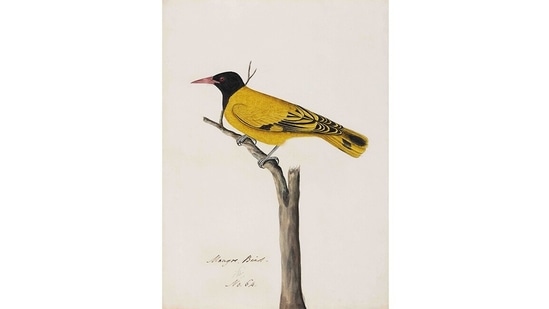
For collectors, they’re an emerging category from which to acquire new works. This image is of a Black-hooded Oriole (Oriolus xanthornus). (Courtesy DAG Gallery)
10/12
 View Photos in a new improved layout
Published on Sept 3, 2021 4:56 PM
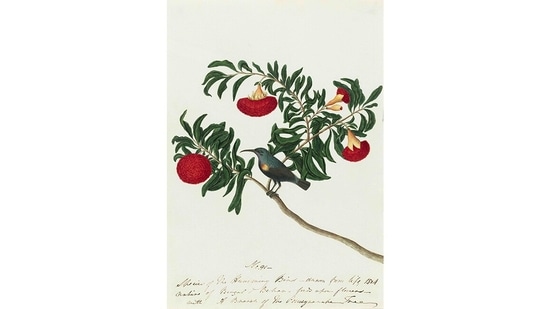
Most of the birds in the show appear to have been worked on by a single painter or of a small group of artists following a set style, making it trickier to identify any single name. This image is of a Purple Sunbird (Cinnyris asiaticus). (Courtesy DAG Gallery)
11/12
 View Photos in a new improved layout
Published on Sept 3, 2021 4:56 PM
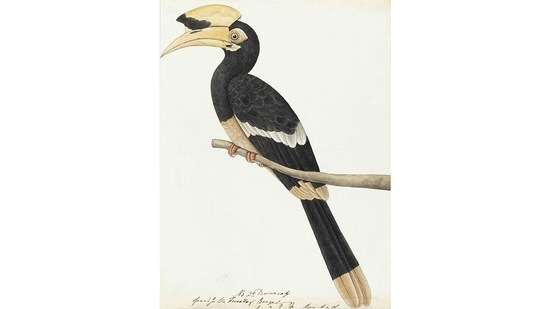
The artists of these works have sometimes attended to minute distinctive particularities of form and plumage. At other times they have taken artistic liberties. This makes the process of identifying the birds complicated. Naming the birds has been a process of weighing the evidence on the page against modern scientific descriptions. This image is of an Oriental Pied Hornbill (Anthracocerus albirostris). (Courtesy DAG Gallery)
12/12
 View Photos in a new improved layout
Published on Sept 3, 2021 4:56 PM


