
 E-Paper



Photos | Reloaded forever: 7 Matrix-inspired memes
The Matrix films were such a mind-bender, they’re still showing up in memes to express everyday life. Here are some of our favourites.
Published on: Dec 24, 2021 3:00 PM IST


Share via


Copy link

1/7
 View Photos in a new improved layout
Published on Dec 24, 2021 3:00 PM
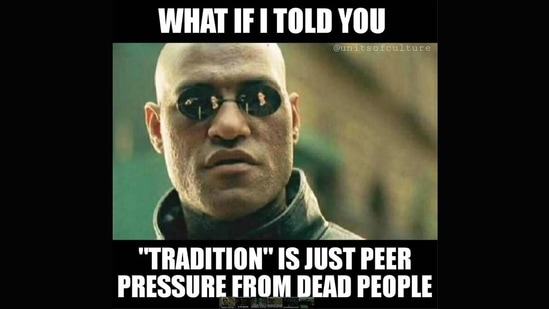
Morpheus doesn’t actually say the words “What if I told you…?” in the 1999 film. But you get the drift. Use this meme when you’re about to blow someone’s mind with a banal fact or bust a silly myth. (Courtesy: Warner Bros.)
2/7
 View Photos in a new improved layout
Published on Dec 24, 2021 3:00 PM
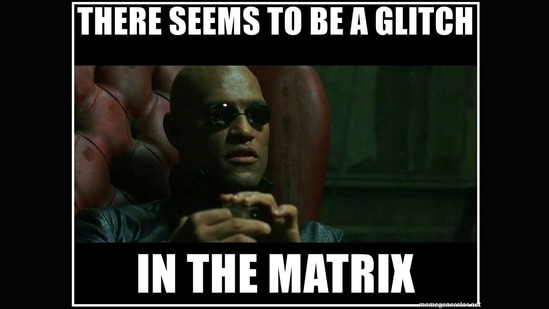
Another Morpheus gem that isn’t directly quoted in the movie. In the story, a glitch is a change in the simulation, which the people in it recognise as some kind of déjà vu. In the real world, ours, it’s when something complicated is going on (at work, in a relationship, with your finances) and you just can’t figure it out. (Courtesy: Warner Bros.)
3/7
 View Photos in a new improved layout
Published on Dec 24, 2021 3:00 PM
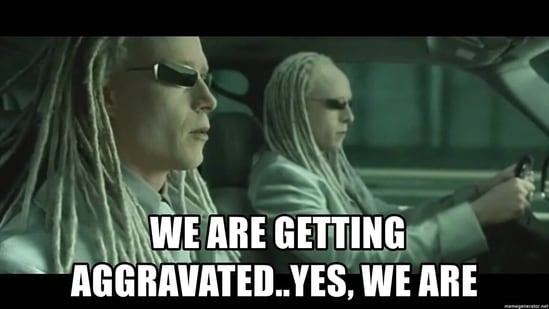
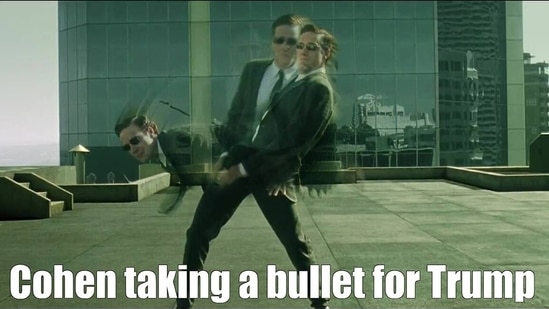
Those ghastly dreadlocked twins from Matrix Reloaded (2003) play their part in an epic chase and fight scene. They think as one but attack with the power of two. A perfect meme for you and your best buddy or tribe, when you’re all part of a hive mind, annoyed or triggered by the exact same things. (Courtesy: Warner Bros.)
4/7
 View Photos in a new improved layout
Published on Dec 24, 2021 3:00 PM
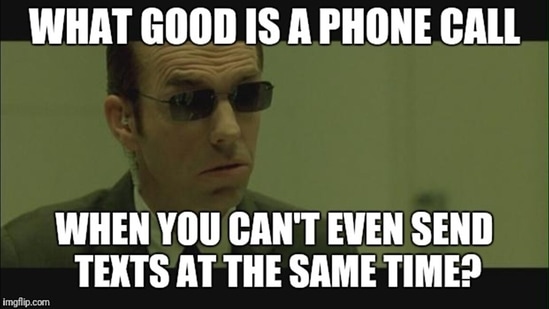
Agent Smith, Neo’s arch nemesis, is a vicious computer programme designed to keep the Matrix working and the machines in power. He has few lines. But this one, comes right after an unsuspecting Thomas Anderson is captured and demands his phone call. Smith causes Anderson’s mouth to seal shut. It makes for a great threat. Particularly when you’re about to block someone, or when you’re sick of your own device. (Courtesy: Warner Bros.)
5/7
 View Photos in a new improved layout
Published on Dec 24, 2021 3:00 PM
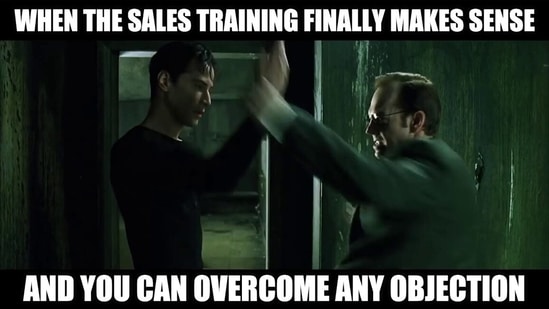
Surely there will be times in your life when you’ve finally got it figured out. When freshman worries have faded away, first-day jitters have passed, when you’ve turned a corner and overcome heartbreak, bankruptcy or life’s usual challenges. That day this meme, of Neo effortlessly anticipating and thwarting the Agent’s every move (because he is The One) will come in handy. (Courtesy: Warner Bros.)
6/7
 View Photos in a new improved layout
Published on Dec 24, 2021 3:00 PM
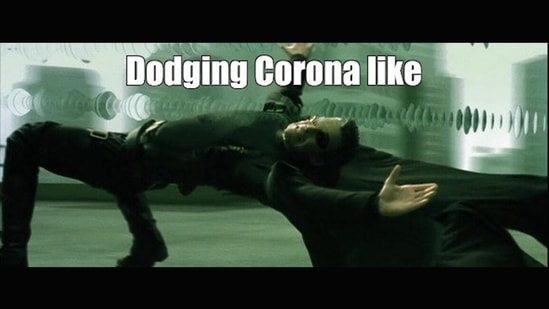
If Neo, Morpheus and Trinity can dodge bullets inside the Matrix just by believing that none of it is real, surely you can wash your hands, mask up, stay indoors and avoid those Coronavirus droplets, which are certainly real. Risks, of course will keep flying at you. It’s up to you to avoid them. (Courtesy: Warner Bros.)
7/7
 View Photos in a new improved layout
Published on Dec 24, 2021 3:00 PM


