
 E-Paper



Photos: Citizenship fears fuel anger among Muslims
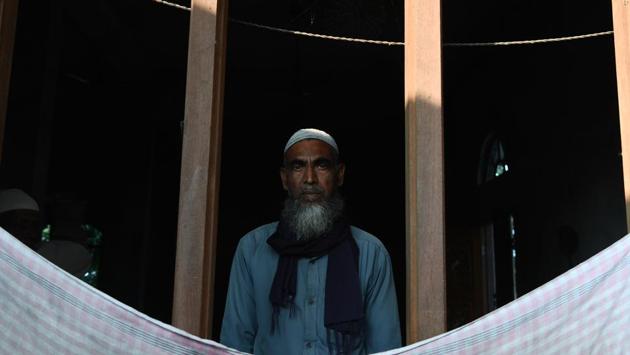
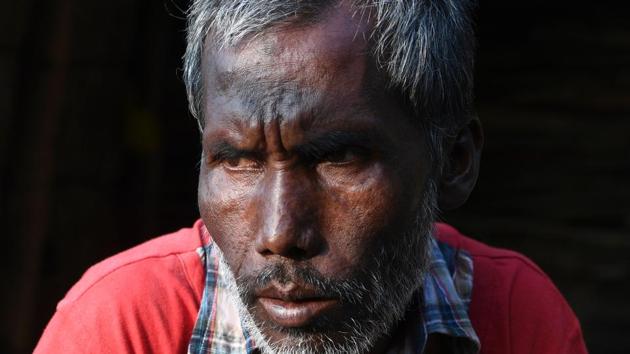
Habib-ur-Rehman from Barpeta in Assam was locked up for four years after failing to prove he's Indian, and now worries that he might be expelled altogether. It's a fear shared by other Muslims in the country. In recent days these worries have morphed into angry protests sparked by the passage of a new law giving non-Muslim migrants from Afghanistan, Pakistan and Bangladesh an easier path to citizenship. "Five generations of mine have lived in this village and today I am being told that I am an infiltrator because I am a Muslim," said Rehman, recently released from a detention camp in Assam.
Updated on: Dec 20, 2019 4:26 PM IST


Share via


Copy link

1/10
 View Photos in a new improved layout
Updated on Dec 20, 2019 4:26 PM
A man looks on before prayers at a mosque in Barpeta village in Assam. Habib-ur-Rehman was locked up for four years after failing to prove he’s Indian, and now worries that he might be expelled. It’s a fear shared by many other Muslims living in India. (Sajjad Hussain / AFP)
2/10
 View Photos in a new improved layout
Updated on Dec 20, 2019 4:26 PM
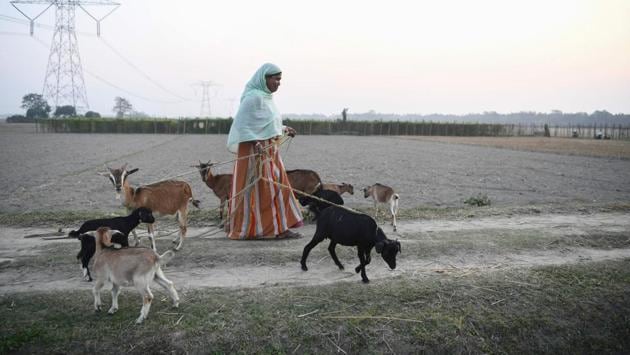
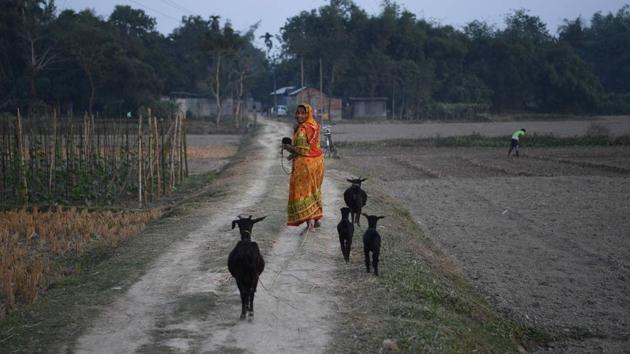
A woman walks with her goats next to farming fields at Baksa village, in Barpeta district, Assam. In recent days these worries have morphed into angry protests sparked by the passage of a new law giving non-Muslim migrants from Afghanistan, Pakistan and Bangladesh an easier path to citizenship. (Sajjad Hussain / AFP)
3/10
 View Photos in a new improved layout
Updated on Dec 20, 2019 4:26 PM
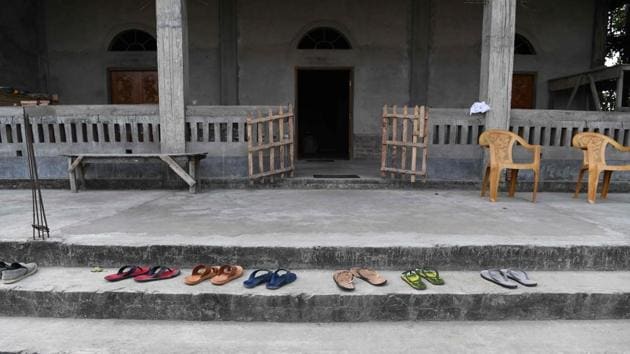
Foot wares are seen on the steps of a mosque during prayers in Barpeta. “Five generations of mine have lived in this village and today I am being told that I am an infiltrator because I am a Muslim,” said Rehman, 50, recently released from internment in Assam in northeast India. (Sajjad Hussain / AFP)
4/10
 View Photos in a new improved layout
Updated on Dec 20, 2019 4:26 PM
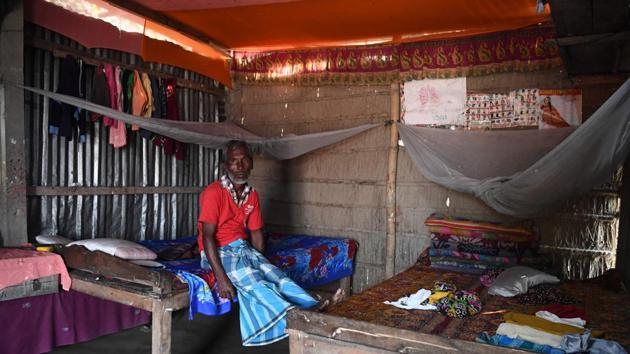
Habib-ur-Rehman, who was recently released from a detention centre, rests on his bed in his home in Barpeta village. He was declared an alien in 2015 by a special tribunal as part of long-running efforts in Assam to root out outsiders, which culminated earlier this year with a state-wide register that the Indian government now wants to roll out nationwide. (Sajjad Hussain / AFP)
5/10
 View Photos in a new improved layout
Updated on Dec 20, 2019 4:26 PM
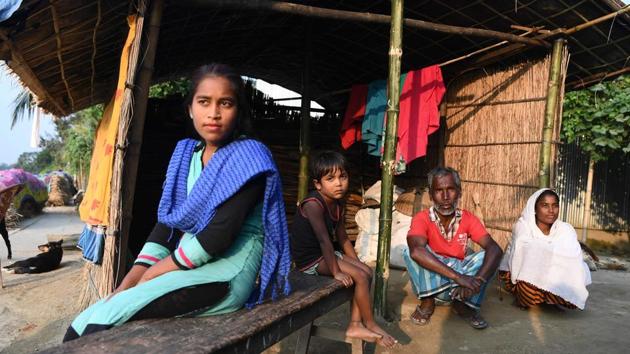
Habib-ur-Rehman (2R) sits with family members outside his home in Barpeta. “I have voted in many elections and have followed Indian laws all my life,” the father-of-four said. “They are planning to banish us from our motherland.” Assam’s register excluded 1.9 million people who now face possible statelessness, detention in camps or even deportation, although that is not feasible. (Sajjad Hussain / AFP)
6/10
 View Photos in a new improved layout
Updated on Dec 20, 2019 4:26 PM
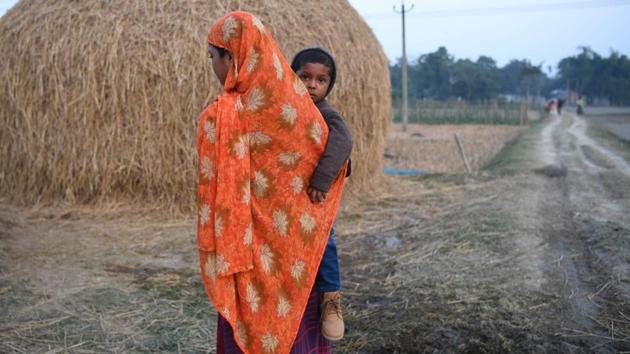
A woman holds her child next to farming fields in Barpeta. Those who cannot prove their Indian citizenship will either end up in detention centres or hide from authorities all their life. (Sajjad Hussain / AFP)
7/10
 View Photos in a new improved layout
Updated on Dec 20, 2019 4:26 PM
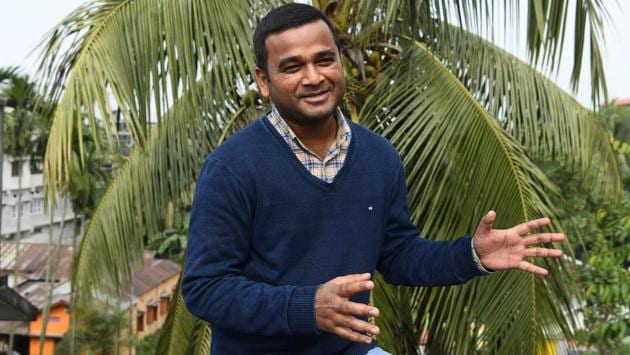
Activist and researcher Abdul Kalam Azad speaks during an interview in Barpeta. “They will be stateless and non-existent... and won’t have a say in the affairs of the government. They cannot do business, take jobs or get education or buy properties,” Azad said. (Sajjad Hussain / AFP)
8/10
 View Photos in a new improved layout
Updated on Dec 20, 2019 4:26 PM
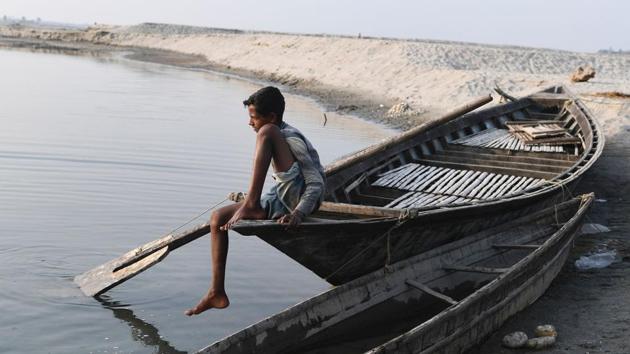
Decades of ethnic tensions and immigration from Bangladesh and West Bengal make Assam a case apart, as those excluded from the register are a mix of both Muslims and Hindus -- the latter mostly Bengali speakers who Assamese fear will undermine their culture. But elsewhere across India it is Muslims who fear they are government’s target when it says the national register will remove all “infiltrators” by 2024. (Sajjad Hussain / AFP)
9/10
 View Photos in a new improved layout
Updated on Dec 20, 2019 4:26 PM
Habib-ur-Rehman during an interview outside his home. Outside of Assam, Muslims -- as well as defenders of India’s secular tradition -- are starting to panic, as seen in the current protests across the country of 1.3 billion people. Ambreen Agha, a professor at the O.P. Jindal Global University in Sonipat, said the citizenship law follows other worrying events. (Sajjad Hussain / AFP)
10/10
 View Photos in a new improved layout
Updated on Dec 20, 2019 4:26 PM


