
 E-Paper



Photos | Delhi’s iconic trees: Keeping the city’s ecosystem rooted
HT has been featuring iconic trees of Delhi, underscoring their importance in the life of the city. The series started on June 26, when the plan to axe 14,000 trees for redeveloping government housing projects in south Delhi made headlines. Here is the fourth in a series of collections reminding everyone that these trees are a part of the city’s history, apart from just serving the ecological benefits that green spaces provide.
Updated on: Oct 31, 2018 11:58 AM IST

Share via


Copy link

1/11
 View Photos in a new improved layout
Updated on Oct 31, 2018 11:58 AM
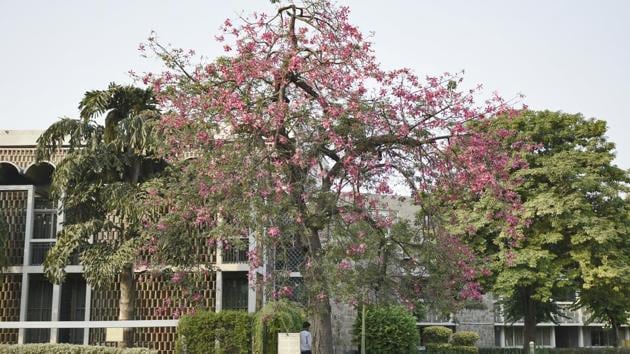
This Mexican Silk Cotton tree, inside the India International Center (IIC), is native to dry forests in South America, and was introduced to Delhi in the 1950s. The tree flowers immediately after the rains with blushing pink flowers. (Burhaan Kinu / HT Photo)
2/11
 View Photos in a new improved layout
Updated on Oct 31, 2018 11:58 AM
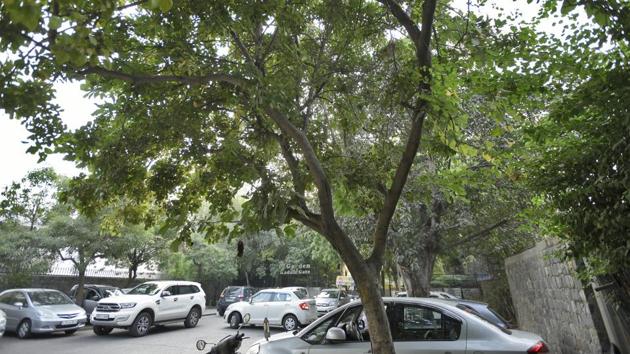
The Anjan tree has drooping branches and small leaves with tiny flowers that often escape the eye. It is seen here at the parking lot by the India International Center (IIC). (Burhaan Kinu / HT Photo)
3/11
 View Photos in a new improved layout
Updated on Oct 31, 2018 11:58 AM
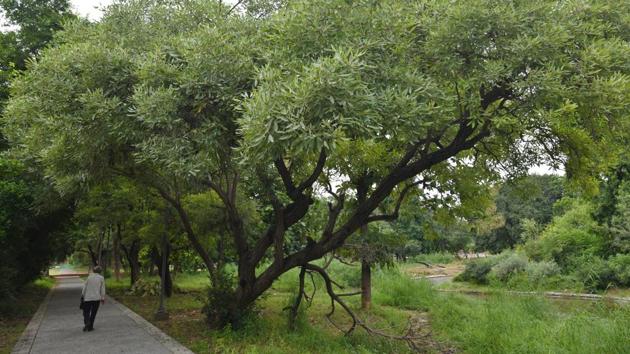
A view of a Tercoma Argentea tree at Sundar Nursery. These are avenue trees with bright yellow flowers, when in bloom, while completely leafless in the summer. (Sanchit Khanna / HT Photo)
4/11
 View Photos in a new improved layout
Updated on Oct 31, 2018 11:58 AM
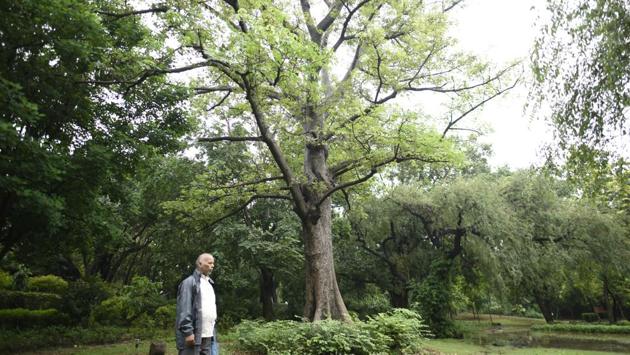
The Semal, also known as the Bombax ceiba is a towering tree, cultivated on Delhi's avenues. It stands tall here in Lodhi Garden. its seeds are often used for stuffing pillows and mattresses. (Burhaan Kinu / HT Photo)
5/11
 View Photos in a new improved layout
Updated on Oct 31, 2018 11:58 AM
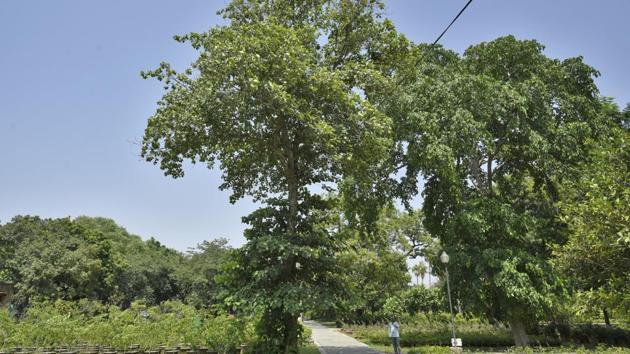
Native to the sub-Himalayan tract, the large Haldu tree, also known as Kadami, is seen here inside Sunder Nursery. (Burhaan Kinu / HT Photo)
6/11
 View Photos in a new improved layout
Updated on Oct 31, 2018 11:58 AM
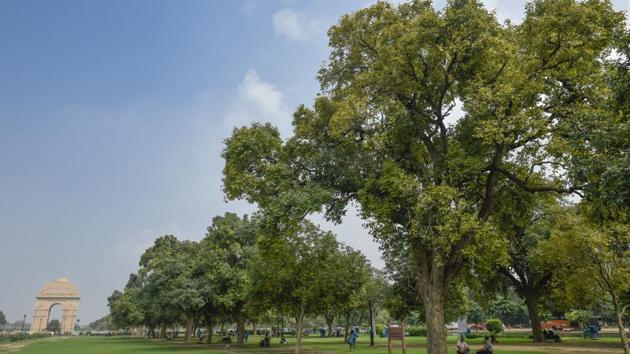
The Rai Jamun stands tall at approximately 13 metres in the lawns on either side of Rajpath, in New Delhi. The fruit matures late in June, while the tree itself makes a choice as a shade tree in India. (Burhaan Kinu / HT Photo)
7/11
 View Photos in a new improved layout
Updated on Oct 31, 2018 11:58 AM
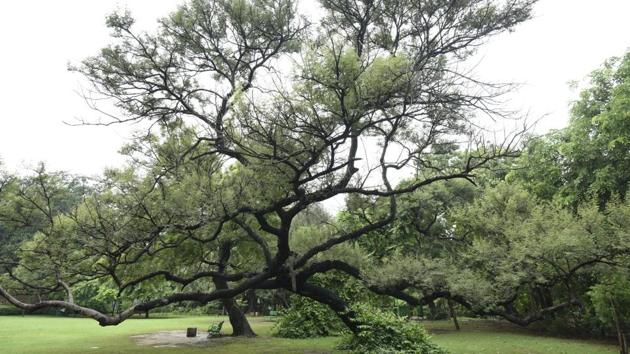
The Ronjh, or the Acacia leucophloea, is a remnant tree at the Lodhi Garden. An important part of Delhi's native flora, this thorny tree can be quite a sight late in the monsoon season as spherical clusters of flowers hang on to branch extremities. (Burhaan Kinu / HT Photo)
8/11
 View Photos in a new improved layout
Updated on Oct 31, 2018 11:58 AM
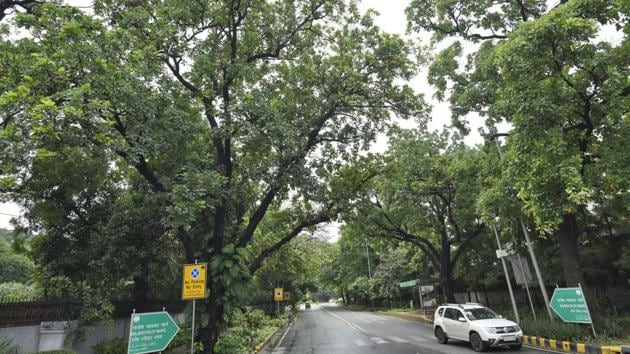
Native to India's tidal beaches and estuarine forests, the Mahoe is seen here on Rajesh Pilot Marg. This is also the only species of the hibiscus that grows to the size of a tree. (Burhaan Kinu / HT Photo)
9/11
 View Photos in a new improved layout
Updated on Oct 31, 2018 11:58 AM
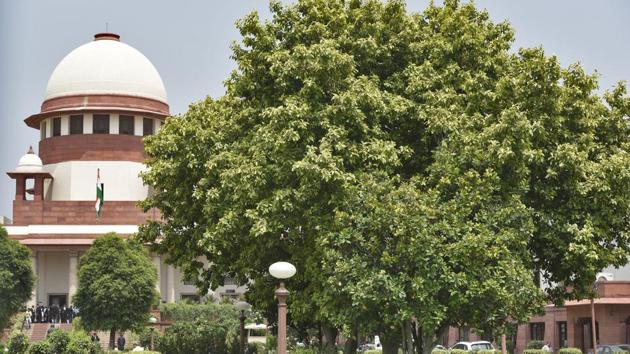
The Ficus Benjamina or the Weeping Fig is a handsome, evergreen tree with glossy leaves. Seen here inside the Supreme Court compound, its figs come without stalks and are bright red in colour. (Burhaan Kinu / HT Photo)
10/11
 View Photos in a new improved layout
Updated on Oct 31, 2018 11:58 AM
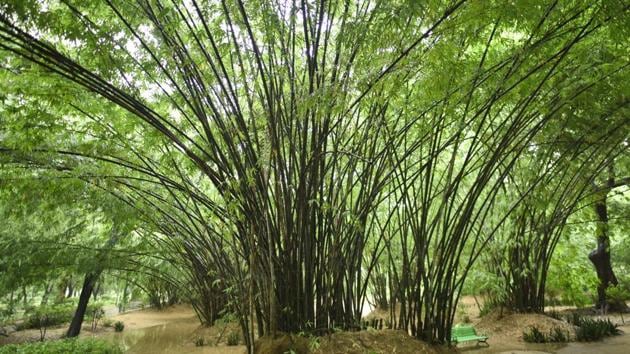
Dendrocalamus Giganteus, also known as the Giant Bamboo or Dragon Bamboo, is the tallest of all bamboos with gigantic large culms between 25-35 m tall. Found in large numbers near the Butterfly Park inside Lodhi Gardens, this one is believed to be about 80 years old. (Burhaan Kinu / HT Photo)
11/11
 View Photos in a new improved layout
Updated on Oct 31, 2018 11:58 AM


