
 E-Paper



Photos: Delhi’s Palla village – a paradise for agriculturists
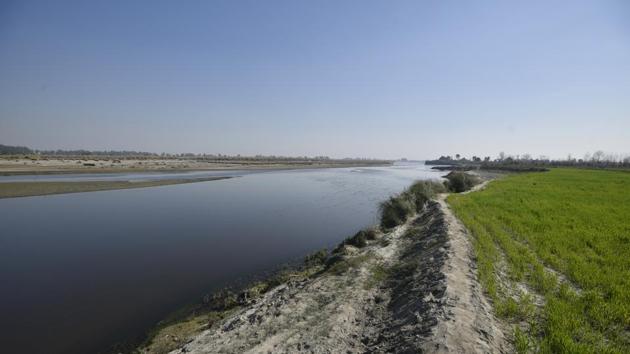
About 35 km from central Delhi, Palla village boasts of extensive agriculture using innovative methods of cultivation. Strawberry fields form the main attraction of the farmland along with a stretch of Yamuna with clean water. Many youngsters in the village have been lured back into farming after completing their engineering degrees. With vegetable mandis and collection centres nearby, farmers don’t have to worry about getting the right price for their produce. In its entirety, Palla has retained its agrarian structure, contrary to the urban jungle of Delhi.
Updated on: Jan 24, 2019 6:27 PM IST

Share via


Copy link

1/12
 View Photos in a new improved layout
Updated on Jan 24, 2019 6:27 PM
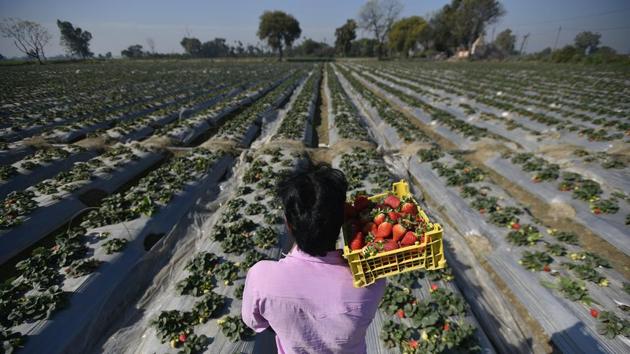
A man carries ripened strawberries in a basket at a farm in Palla village. Situated about 35 km from Connaught Place on the northern fringes of Delhi, the riverside village of Palla has retained an agrarian way of life with its residents engaging in agriculture on a large scale. Among its myriad striking features, the strawberry plantations stand out. (Biplov Bhuyan / HT Photo)
2/12
 View Photos in a new improved layout
Updated on Jan 24, 2019 6:27 PM
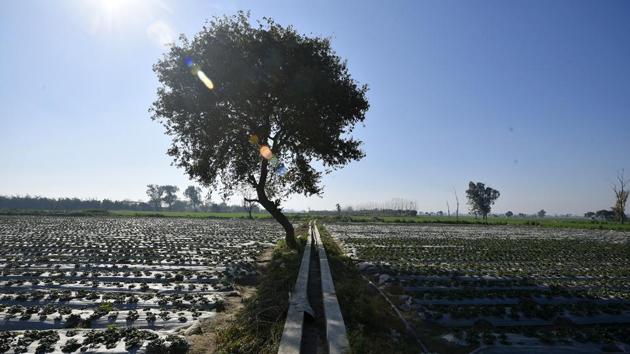
A strawberry farm that spreads out to an area of 20 acres. Arvind Beniwal, the owner of the farm, claims that his farm gets a lot of visitors – farmers, foreigners and researchers, who want to see the farm and know how he manages to produce strawberries here. (Biplov Bhuyan / HT Photo)
3/12
 View Photos in a new improved layout
Updated on Jan 24, 2019 6:27 PM
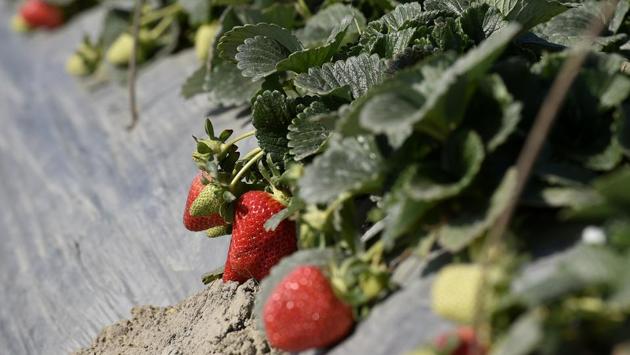
Different varieties of strawberries such as San Adrian, Winter Down, Sweet Session, Winter Star, Sweet Charlie, etc are cultivated in the farmland. (Biplov Bhuyan / HT Photo)
4/12
 View Photos in a new improved layout
Updated on Jan 24, 2019 6:27 PM
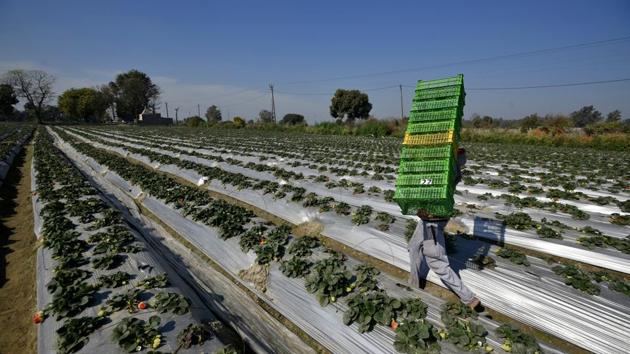
A worker carries baskets for filling them with strawberries. “Strawberry farming in Delhi is a costly and complex affair. It takes about Rs 6 lakh to cultivate strawberry on an acre of land,” Beniwal said. He imports seedlings from California, multiplies them in his nursery in Manali and then plants them in Delhi. (Biplov Bhuyan / HT Photo)
5/12
 View Photos in a new improved layout
Updated on Jan 24, 2019 6:27 PM
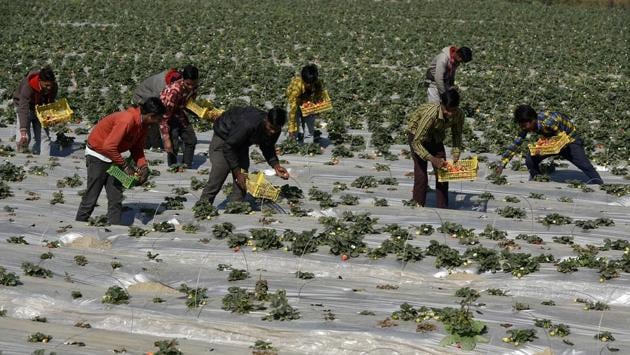
Workers pluck ripened strawberries and put them in baskets. These days, the daily strawberry sale is 500 kg, which by February-March goes up to 3,000 kg. February and March are the most productive months, as the temperature is between 25 and 30 degrees Celsius -- the best for the fruit to ripen fast. (Biplov Bhuyan / HT Photo)
6/12
 View Photos in a new improved layout
Updated on Jan 24, 2019 6:27 PM
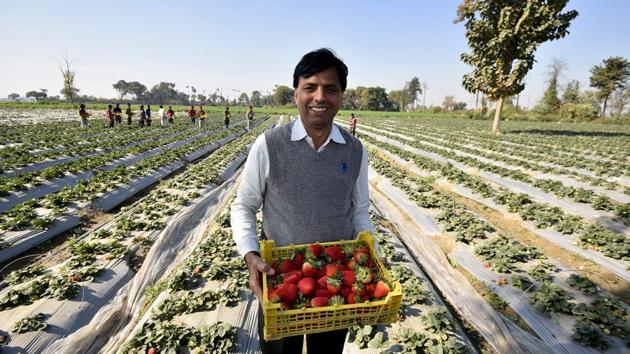
Beniwal with a basket full of ripened strawberries. He also supervises the packing of strawberries. The produce fetches him Rs. 300-350 per kg. “Not just strawberries, one can grow everything here. Palla is a farming paradise,” he further said. (Biplov Bhuyan / HT Photo)
7/12
 View Photos in a new improved layout
Updated on Jan 24, 2019 6:27 PM
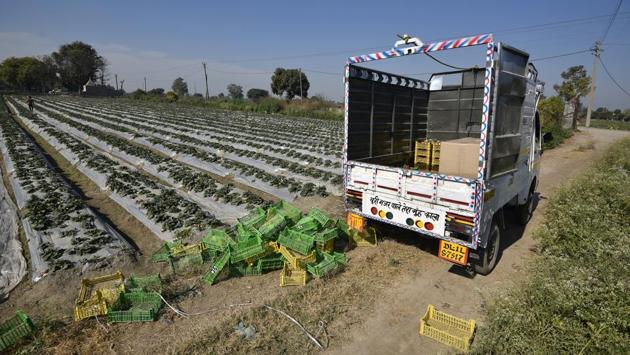
The baskets of strawberries are then loaded in trucks. Eventually, they are sold in different cities like Jabalpur, Kolkata, Jalandhar, Lucknow, Jaipur and Amritsar. (Biplov Bhuyan / HT Photo)
8/12
 View Photos in a new improved layout
Updated on Jan 24, 2019 6:27 PM
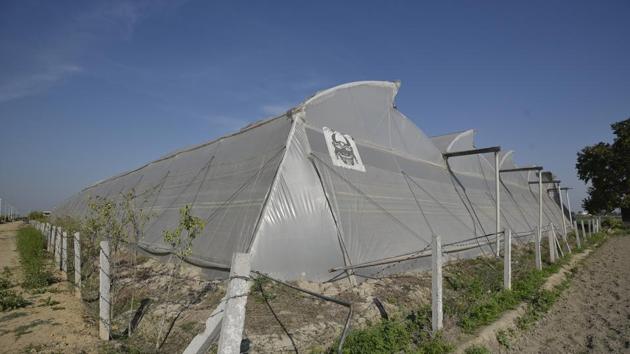
A greenhouse seen in the village. In Palla, almost every family is into farming. There are many youngsters who have given up engineering for farming, and are using technology to increase their produce. Three greenhouses have been set up in the village by 25-year-old Vishal Shaukeen, an electrical engineer-turned-farmer. (Biplov Bhuyan / HT Photo)
9/12
 View Photos in a new improved layout
Updated on Jan 24, 2019 6:27 PM
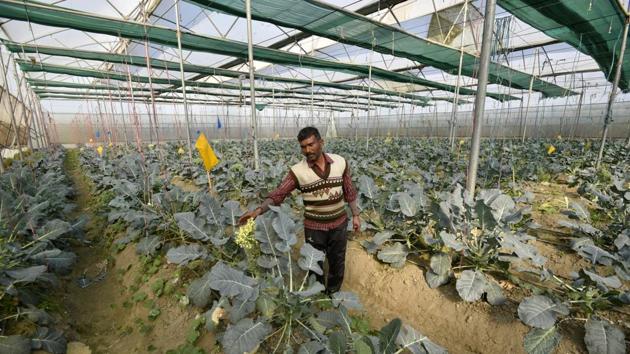
A man tends to a cauliflower cultivation in a greenhouse. Different crops, like coloured bell pepper, cucumber, broccoli, etc. are grown in the greenhouses. (Biplov Bhuyan / HT Photo)
10/12
 View Photos in a new improved layout
Updated on Jan 24, 2019 6:27 PM
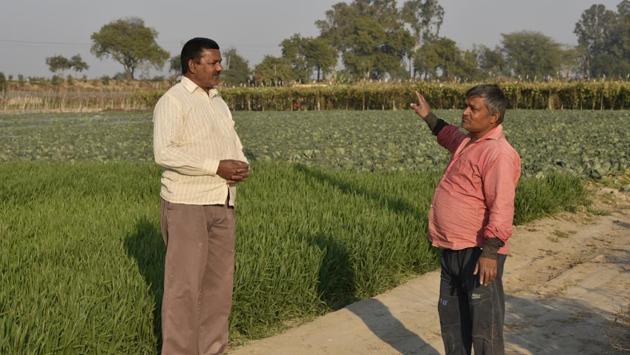
According to 61-year-old Surinder Singh (L), the availability of a ready market to sell their produce has worked for the farmers of Palla. 44-year-old Pawan Kumar (R), who grows everything from wheat, paddy and all kinds of vegetables, is of the view that agriculture in Palla is a perennially profitable enterprise. “There is no way a farmer can lose money in Palla even though they get no support from the government,” he said. (Biplov Bhuyan / HT Photo)
11/12
 View Photos in a new improved layout
Updated on Jan 24, 2019 6:27 PM
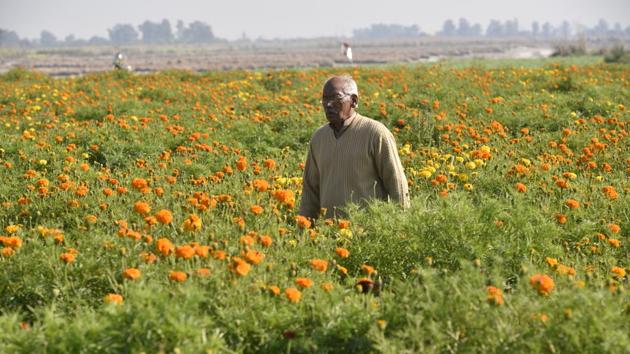
The village also serves as a place for the cultivation of flowers. Rajender Singh, who produces about 300 kg every day in his fields here and at a neighbouring village, claims that Palla is a perfect place for flowers. “We sow the seeds in September and October and the flowers are ready by December. Marigold is much sought-after during the wedding season,” he said. (Biplov Bhuyan / HT Photo)
12/12
 View Photos in a new improved layout
Updated on Jan 24, 2019 6:27 PM


