
 E-Paper



Photos: Tramadol, the other opioid crisis in the developing world
Reports rolled in with escalating urgency — pills seized by the truckload, pills swallowed by schoolchildren, pills in the pockets of dead terrorists. Tramadol pills, the world has been told, are safer than the OxyContins, the Vicodins, the fentanyls that have wreaked so much devastation. But now they are the root of what the United Nations named “the other opioid crisis” — an epidemic featured in fewer headlines than the American one, as it rages through the planet's most vulnerable countries. Abuse is now so rampant that some countries are asking international authorities to intervene.
Updated on: Dec 16, 2019 1:11 PM IST


Share via


Copy link

1/12
 View Photos in a new improved layout
Updated on Dec 16, 2019 1:11 PM
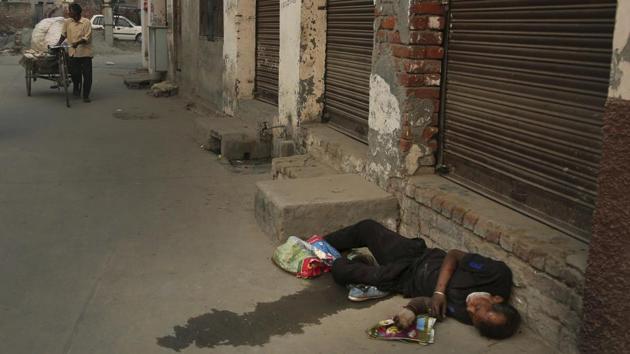
A drug addict lies unconscious by the side of a road in Kapurthala, Punjab. Mass abuse of the opioid tramadol spans continents, creating havoc some experts blame on a loophole in regulation and a miscalculation of its danger. Punjab, the centre of India’s opioid epidemic, was among the latest to crack down on tramadol. Researchers estimate about 4 million Indians use heroin or other opioids, and a quarter of them live in the Punjab. (Channi Anand / AP)
2/12
 View Photos in a new improved layout
Updated on Dec 16, 2019 1:11 PM
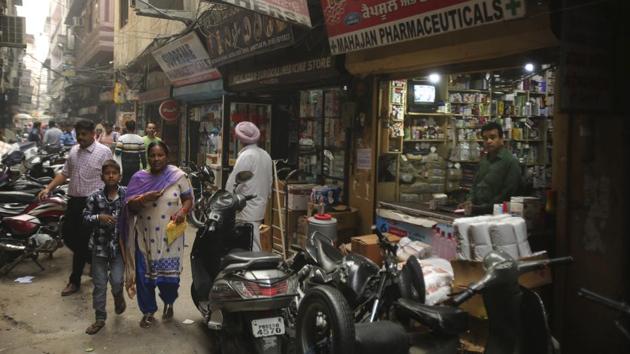
People walk past drugstores where tramadol was once easily accessible in Amritsar, in the northern Indian state of Punjab. The pills were everywhere, as legitimate medication sold in pharmacies, but also illicit counterfeits hawked by itinerant peddlers and street vendors. Grunenthal, the German company that originally made the drug, is campaigning for the status quo, arguing that it’s largely illicit counterfeit pills causing problems. (Channi Anand / AP)
3/12
 View Photos in a new improved layout
Updated on Dec 16, 2019 1:11 PM
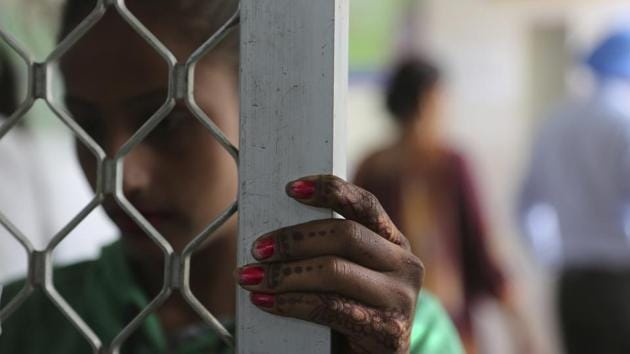
A recovering tramadol addict waits for her medication at a de-addiction centre in Kapurthala. This year, authorities seized hundreds of thousands of tablets, banned most pharmacy sales and shut down pill factories, pushing the price from 35 cents for a 10-pack to $14. The government opened a network of treatment centers, fearing those who had become opioid addicted would resort to heroin out of desperation. (Channi Anand / AP)
4/12
 View Photos in a new improved layout
Updated on Dec 16, 2019 1:11 PM
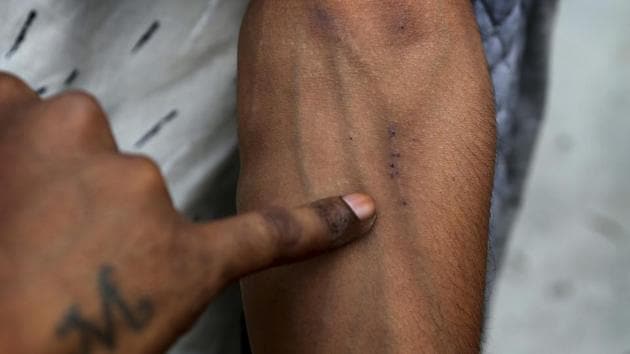
A recovering addict shows his veins at a de-addiction centre. Hordes of people rushed in, seeking help in managing excruciating withdrawal. For some, tramadol had become as essential as food. “Like if you don’t eat, you start to feel hungry. Similar is the case with not taking it,” said auto shop welder Deepak Arora, a gaunt 30-year-old who took 15 tablets day, so much he had to steal from his family to pay for pills. “You are like a dead person.” (Channi Anand / AP)
5/12
 View Photos in a new improved layout
Updated on Dec 16, 2019 1:11 PM
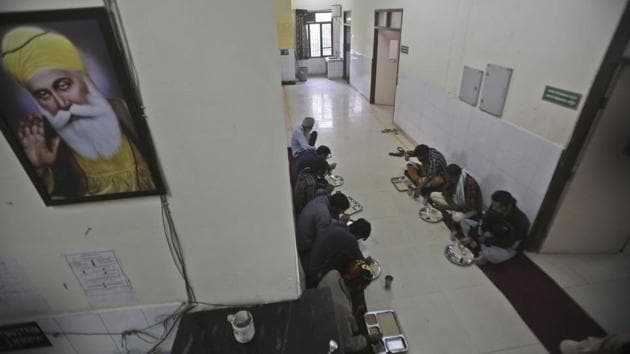
Recovering addicts eat a meal at a de-addiction centre. The UN established the International Narcotics Control Board in 1961 to spare the world the “serious evil” of addiction. It has since tracked most opioids. Tramadol’s exemption and its easy availability also leads to confusion about what tramadol even is. In many countries, it is thought to be a mood enhancer or treatment for depression and post-traumatic stress. (Channi Anand / AP)
6/12
 View Photos in a new improved layout
Updated on Dec 16, 2019 1:11 PM
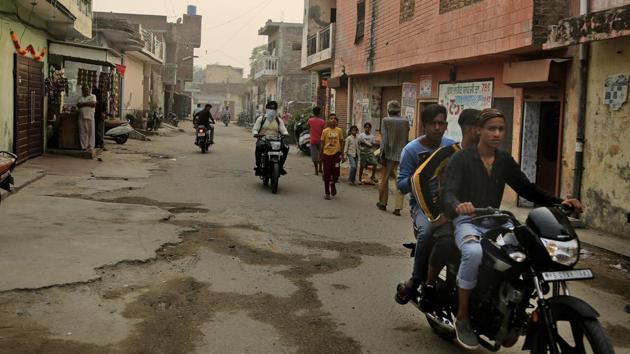
Boys ride a motorcycle in Kapurthala. Indian regulators knew the massive quantities manufactured in the country were spilling over domestically and countless Indians were addicted. But S.K. Jha, responsible for the northern region of Narcotics Control Bureau, said he was shocked to learn in 2018 that tramadol from India was ravaging African nations. They realized then they needed to act, he said. (Channi Anand / AP)
7/12
 View Photos in a new improved layout
Updated on Dec 16, 2019 1:11 PM
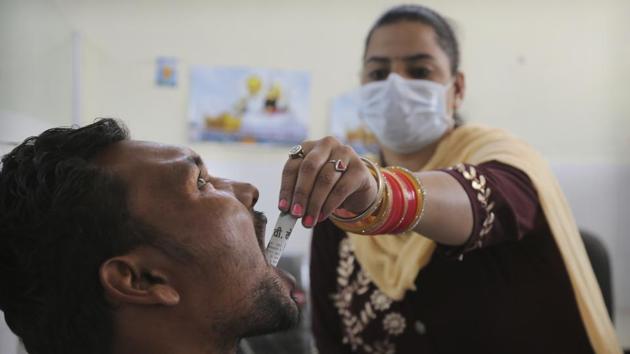
A medic administers medicine to a recovering drug addict. India regulated tramadol in April 2018. Regulators say exports overseas and abuse at home came down. But they acknowledge that the vastness of the pharmaceutical industry and the ingenuity of traffickers makes curtailing abuse and illegal exports all but impossible. Tramadol is still easy to find. (Channi Anand / AP)
8/12
 View Photos in a new improved layout
Updated on Dec 16, 2019 1:11 PM
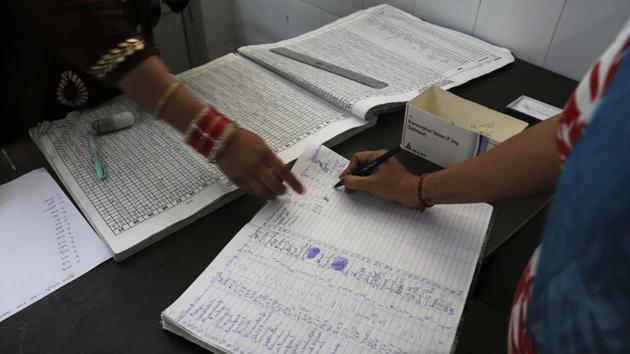
A recovering tramadol drug addict signs a register after taking her medication. Jyoti Rani stood on her front steps and pointed to house after house where she said tramadol is still sold in her neighborhood of narrow roads and open drains, where school-aged boys sit hunched over the street in the middle of a weekday. Rani’s addiction began with heroin. When her 14-year-old son died, she fell into depression. (Channi Anand / AP)
9/12
 View Photos in a new improved layout
Updated on Dec 16, 2019 1:11 PM
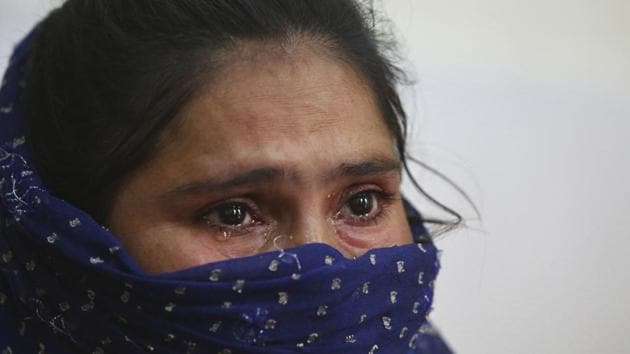
Jyoti Rani, a recovering tramadol drug addict, breaks down while narrating her story. “I wanted to kill myself, but I ended up becoming an addict,” she cried. A doctor prescribed tramadol to help kick the habit — instead, she formed a new one. She locked herself in her room, not eating or taking care of her two children. Rani used tramadol until she ran out of money and entered treatment. Now her family tells her she’s her old self again. (Channi Anand / AP)
10/12
 View Photos in a new improved layout
Updated on Dec 16, 2019 1:11 PM
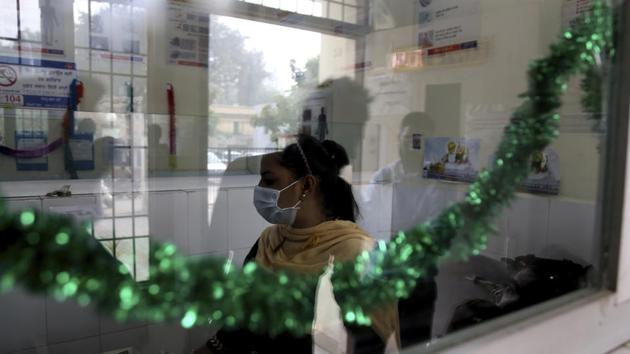
A medic sits at a drug de-addiction center, where many cases of tramadol are reported, in Kapurthala. The crackdown on tramadol coincided with the opening of dozens of addiction clinics that administer medicine and counseling to more than 30,000 each day. “We are trying our level best,” Jha said, “but it’s a challenge for all of us.” (Channi Anand / AP)
11/12
 View Photos in a new improved layout
Updated on Dec 16, 2019 1:11 PM
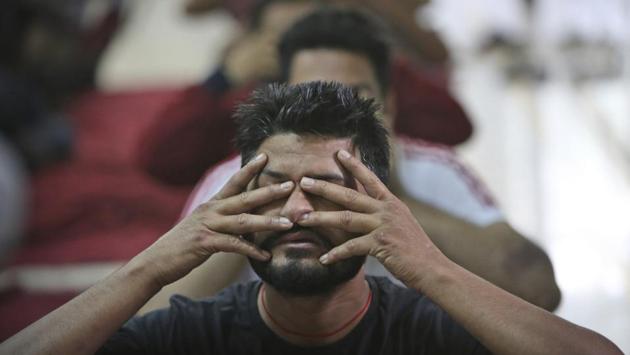
Recovering drug addicts perform yoga at a de-addiction center. India has twice the global average of illicit opiate consumption. Countries’ efforts to control tramadol on their own often fail, particularly in places where addiction has taken hold, according to the Center for Strategic and International Studies. (Channi Anand / AP)
12/12
 View Photos in a new improved layout
Updated on Dec 16, 2019 1:11 PM


