
 E-Paper



Photos: 60 years to Laika the dog’s journey into space
60 years ago today, a dog called Laika was in 1957 the first living creature to orbit the Earth, beating Russian cosmonaut Yuri Gagarin who later became the first man in space by three and a half years.
Updated on: Nov 3, 2017 12:00 PM IST


Share via


Copy link

1/8
 View Photos in a new improved layout
Updated on Nov 3, 2017 12:00 PM
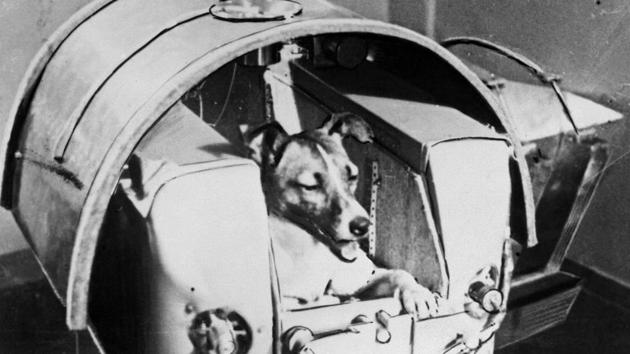
A photo from the Soviet daily Pravda shows Laika, on-board Sputnik II. The year was 1957 and the Soviet Union sealed one of its greatest scientific coups with the launch of the Sputnik satellite on October 4. While Moscow managed to send cosmonaut Yuri Gagarin, the first man in outer space in 1961, it was a dog called Laika who claimed the honour of the first living creature to orbit Earth, sixty years ago today. (TASS / AFP)
2/8
 View Photos in a new improved layout
Updated on Nov 3, 2017 12:00 PM
An effigy of Laika seen inside a replica of Sputnik II at the Central House of Aviation and Cosmonautics in Moscow on November 01, 2017. Laika was a mongrel aged around three. Like all the other potentials, she was a female stray found on a Moscow street, chosen out of five or six candidates for her resourceful yet docile nature and slightly quizzical expression. (Mladen Antonov / AFP)
3/8
 View Photos in a new improved layout
Updated on Nov 3, 2017 12:00 PM
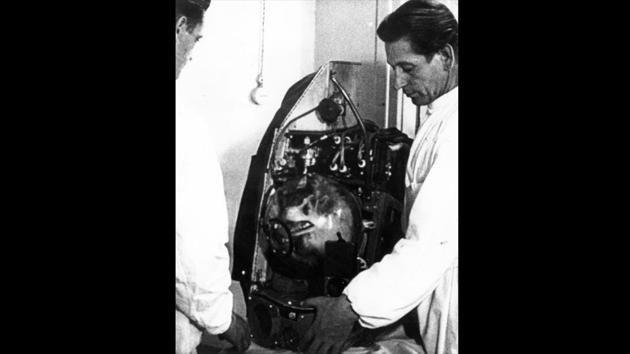
Laika, the Soviet Satellite dog in her specially designed space equipment in Sputnik II. The hope was that Laika would stay alive for eight to 10 days, but instead she died from overheating in the capsule and dehydration after a few hours. Soviet radio nevertheless kept broadcasting daily updates on her health, insisting all was well. (Keystone / Getty Images)
4/8
 View Photos in a new improved layout
Updated on Nov 3, 2017 12:00 PM
Boys play next to the space container used for Laika’s trainings ahead of orbit, at the Central House of Aviation and Cosmonautics in Moscow. The official version was that she died after eating poison administered in her food to avoid a painful death on re-entry into the Earth’s atmosphere. The satellite carrying her remains burnt up in the atmosphere five months later on April 14, 1958 above the Antilles islands. (Mladen Antonov / AFP)
5/8
 View Photos in a new improved layout
Updated on Nov 3, 2017 12:00 PM
The success of Laika’s launch persuaded the Soviets to go ahead with the highly risky first space trip by a human, Yury Gagarin in April 1961. Research with Ham, the first chimpanzee in space, in January 1961, also paved the way for the first space flight by an American, Alan Shepard, hot on the heels of Gagarin. ‘These animals performed a service to their respective countries that no human could or would have performed,’ NASA says on its website. (NASA)
6/8
 View Photos in a new improved layout
Updated on Nov 3, 2017 12:00 PM
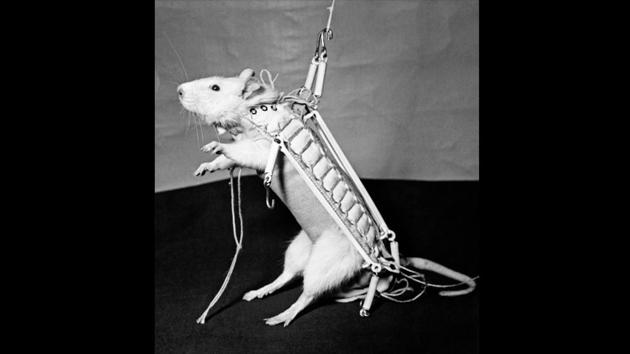
The first French spatial traveller Hector the rat, in space equipment on December 26, 1960. As the space race picked up, other countries also joined in. Hector reached a height of about 150 km in 1961 leading to more ambitious launches by the French. (AFP)
7/8
 View Photos in a new improved layout
Updated on Nov 3, 2017 12:00 PM
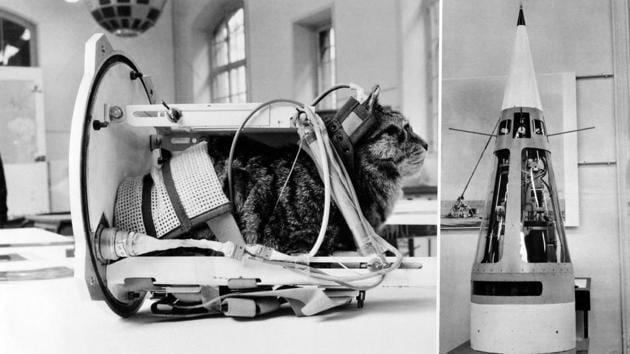
Two years later in October 1963, France became the first country to send a cat into space, named Felicette a black and white female cat found on the streets of Paris. She replaced Felix, who ran away on the eve of the departure. Felicette, launched aboard the Veronique AGI 47 sounding rocket. A recreation is seen during an exhibition at The Conservatoire national des arts et métiers in Paris. (AFP)
8/8
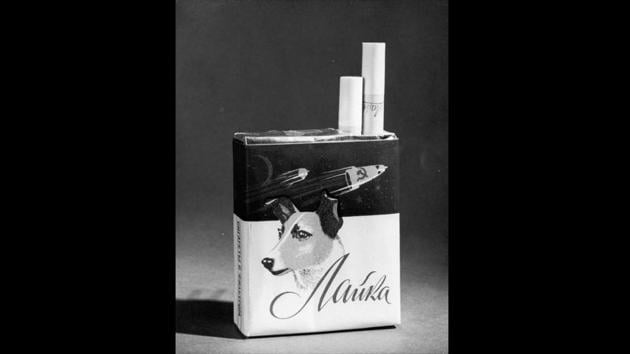 View Photos in a new improved layout
Updated on Nov 3, 2017 12:00 PM


