
 E-Paper



Photos: An increase in attacks as women’s roles expand in Bolivian politics
Bolivia is among few countries in the world that have advanced quickly toward gender parity in politics. It began addressing gender imbalance in politics in 1997 with a law that at least 30% of women candidates. A decade ago, women held only 4% of posts in municipal assemblies but by 2015, they held 50%. But women’s rising profile has also led to problems related to discrimination, manipulation and violence. Bolivia’s women politicians say pressure is especially strong against women in the countryside, and includes false allegations of infidelity or withholding of salaries.
Updated on: Sep 05, 2018 11:16 AM IST

Share via


Copy link

1/10
 View Photos in a new improved layout
Updated on Sep 05, 2018 11:16 AM
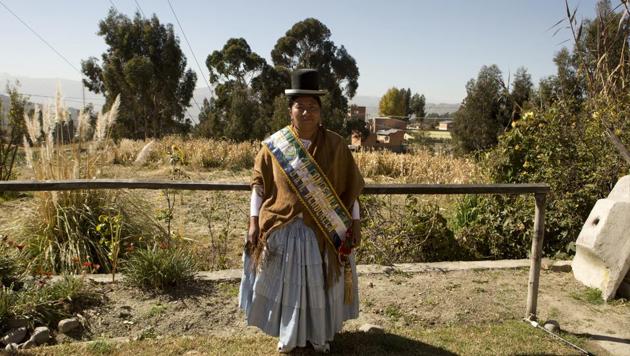
Achocalla councilwoman Mary de la Cruz beams with pride wearing her councilwoman’s sash. But then she teared up recalling how a male colleague recently punched her in the face. Few countries have advanced as quickly toward gender parity in politics as has Bolivia. But some male politicians have resisted change and women’s rights activists report a sharp increase in violence against female politicians. (Juan Karita / AP)
2/10
 View Photos in a new improved layout
Updated on Sep 05, 2018 11:16 AM
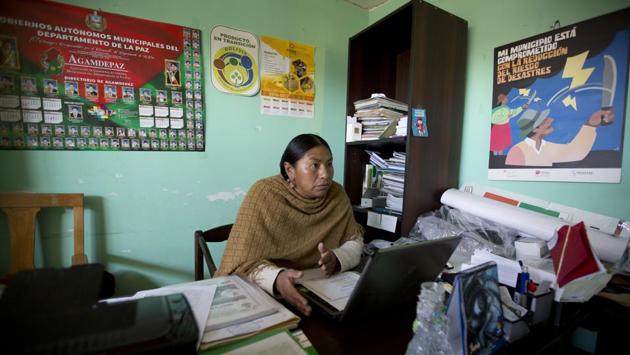
Women hold almost half the seats in congress and laws mandate gender equality at lower levels. De la Cruz said the mayor accosted her as she walked through a plaza and punched her in the face, knocking her to the ground. He was apparently angry she had complained of irregularities in public works contracts. So far no action has been taken against Mayor Damaso Ninaja, who has denied punching her. (Juan Karita / AP)
3/10
 View Photos in a new improved layout
Updated on Sep 05, 2018 11:16 AM
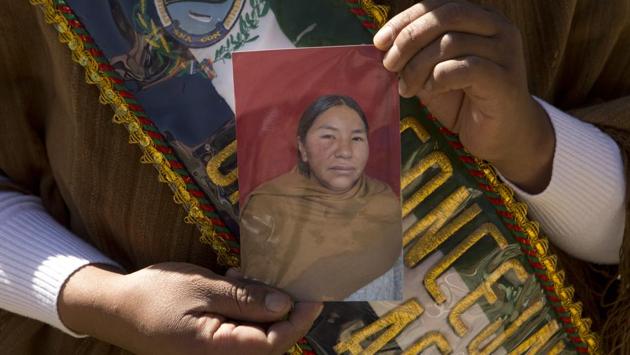
De la Cruz holds a photo showing the bruises caused because of the punch. “It hasn’t been easy for me to get where I am,” said de la Cruz, who complained the mayor also had been spreading false rumors about her sex life. “And the man thinks that we are inferior creatures, that a punch isn’t anything, that’s its normal.” (Juan Karita / AP)
4/10
 View Photos in a new improved layout
Updated on Sep 05, 2018 11:16 AM
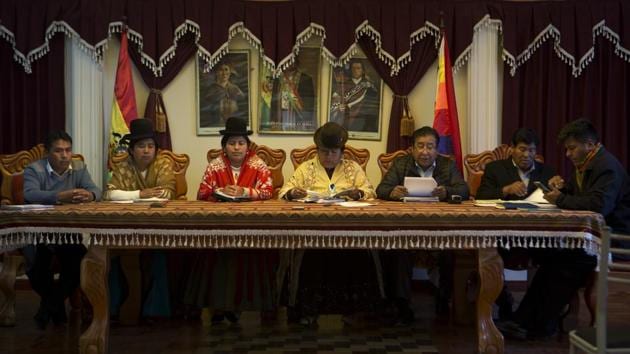
Batallas Councilwoman Lidia Maria Quispe (from second left), Council Vice President Sonia Alanoca Tito and Council President Rosa Condori Cadena, attend a council meeting in Batallas. Bolivia began addressing gender imbalance in politics in 1997 with a law that at least 30% of candidates for many races be women. A decade ago, women held only 4% of posts in municipal assemblies but by 2015, they held 50%. (Juan Karita / AP)
5/10
 View Photos in a new improved layout
Updated on Sep 05, 2018 11:16 AM
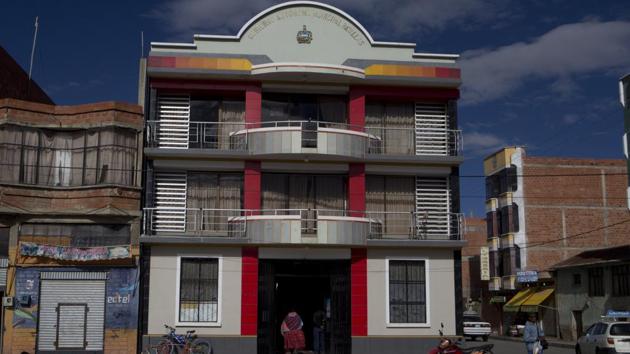
An Aymara woman enters the mayor’s office in Batallas. Women’s rising profile “has also led to problems related to discrimination, manipulation and violence,” a report by UN Women says. Prosecutors say they received 36 complaints of harassment and political violence against women this year. But electoral officials say they’ve received 60 such complaints. And the Councilwomen’s Association of Bolivia says it has registered 90 complaints. (Juan Karita / AP)
6/10
 View Photos in a new improved layout
Updated on Sep 05, 2018 11:16 AM
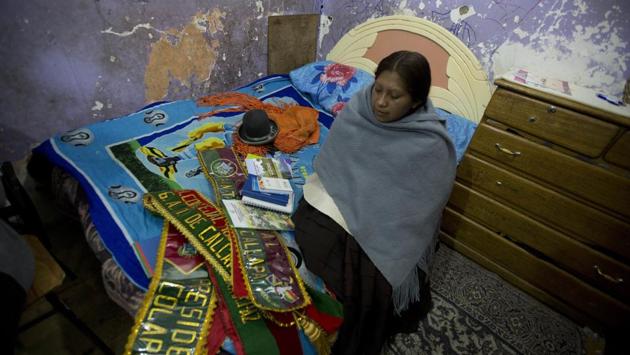
Callapa Councilwoman Monica Paye, who is under house arrest, sits next to her official sashes in La Paz. Paye was arrested and suspended in May when officials accused her of losing two city-owned laptops, even though she offered to replace them. Paye, 34, had feuded with the mayor over public works contracts in the town. (Juan Karita / AP)
7/10
 View Photos in a new improved layout
Updated on Sep 05, 2018 11:16 AM
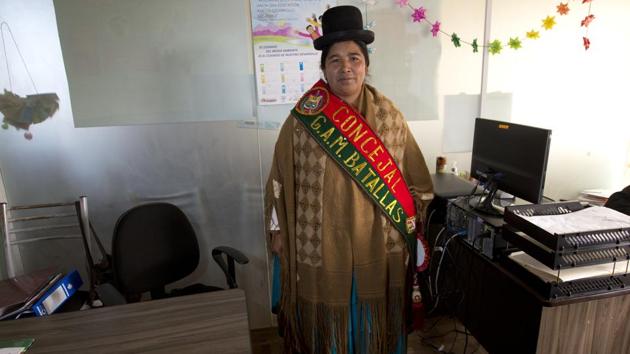
Lidia Quispe poses for photo in her sash. Awareness of violence against female politicians in the country was raised by the 2012 killing of Ancoirames Councilwoman Juana Quispe, whose body was found with signs of violence on the banks of a river in La Paz. Quispe’s death led to passage of a law against harassment and violence against women in public office. (Juan Karita / AP)
8/10
 View Photos in a new improved layout
Updated on Sep 05, 2018 11:16 AM
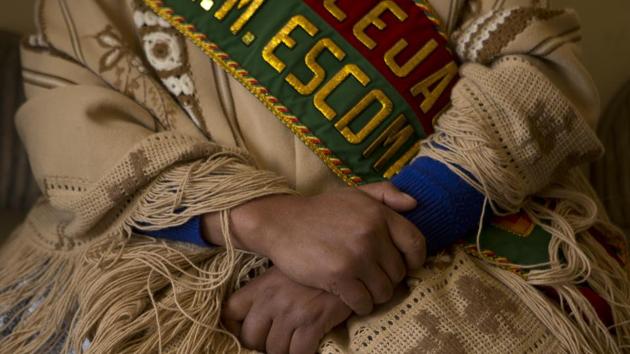
Gender-based political violence is seen throughout Latin America. In Mexico, 19 female candidates were killed and 118 attacked ahead of the July elections. Brazilians were shocked at this year’s murder of Rio de Janeiro councilwoman Marielle Franco, known for outspokenness against police violence. And in Peru, electoral authorities estimate that four of every 10 female candidates are victims of political harassment. (Juan Karita / AP)
9/10
 View Photos in a new improved layout
Updated on Sep 05, 2018 11:16 AM
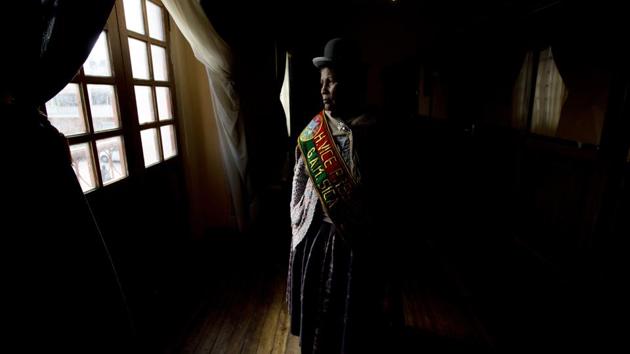
Pressures include allegations of infidelity and withholding of salaries, as well as physical violence.Sica Sica Councilwoman Damiana Condori said she gave up her position due to harassment from the male alternate. In some elections, candidates are required to have a running mate or alternate of the opposite sex. If a woman wins, sometimes her male alternate will seek to oust her to take power. (Juan Karita / AP)
10/10
 View Photos in a new improved layout
Updated on Sep 05, 2018 11:16 AM


