
 E-Paper



Photos: As Arctic warms, reindeer herders tangle with new industries
In Arctic, climate change and technology are enabling mineral and energy extraction, which threatens the traditional ways of life which is creating tensions among its four million inhabitants. The officials gave the green light for the privately-owned Nussir copper project back in 2012 on the grounds it would bring in much-needed jobs and funds. The herders around the Arctic -- in other Nordic nations, Russia, Canada and Alaska -- raise concerns citing threats from climate change, mining, oil spills and poaching as well as thoughtless behaviour from townspeople and tourists.
Updated on: Jul 11, 2018 11:47 AM IST

Share via


Copy link

1/12
 View Photos in a new improved layout
Updated on Jul 11, 2018 11:47 AM
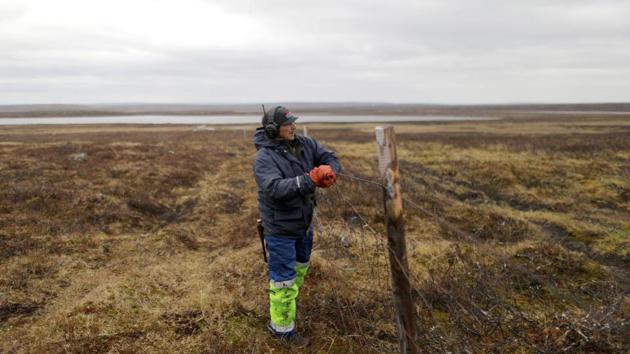
Nils Mathis Sara repairs a fence in the Finnmark Plateau, Norway. When he’s not out on the Arctic tundra with his 2,000 reindeer and his dog, Sara is busy explaining to people how a planned copper mine threatens his livelihood. Along with other herders and fishermen, the 60-year-old is in a standoff with the mine owners, Norwegian officials and many towns people that is, after six years, coming to a head. (Stoyan Nenov / REUTERS)
2/12
 View Photos in a new improved layout
Updated on Jul 11, 2018 11:47 AM
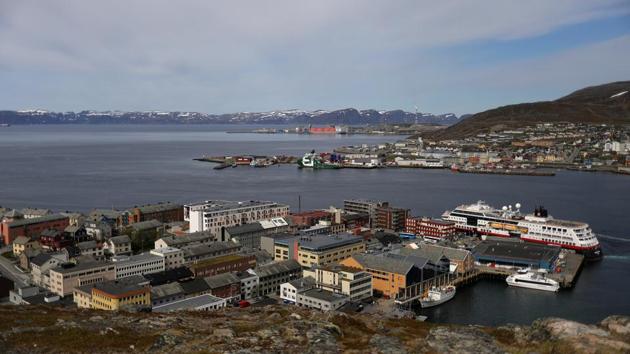
It is a litmus test for the Arctic, where climate change and technology are enabling mineral and energy extraction, shipping and tourism while threatening traditional ways of life and creating tensions among its four million inhabitants. Herders around the Arctic - in other Nordic nations, Russia, Canada and Alaska - echo these concerns, citing threats from climate change, mining, oil spills and poaching as well as thoughtless behaviour from townspeople and tourists. (Stoyan Nenov / REUTERS)
3/12
 View Photos in a new improved layout
Updated on Jul 11, 2018 11:47 AM
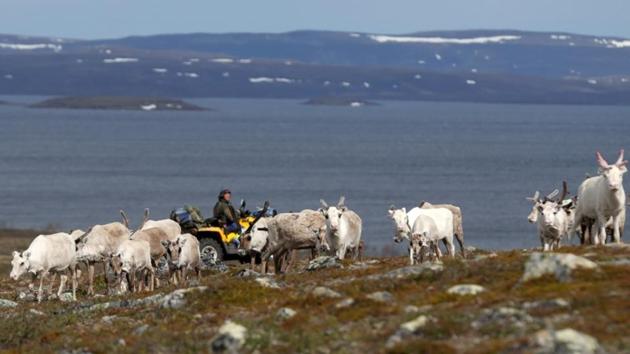
“This mine is completely nuts,” said Sara, preparing to move his herd from winter pastures on Norway’s windswept Finnmark plateau three days north to the grass-rich pastures on the coast. “We would be losing summer pastures for our reindeer again.” (Stoyan Nenov / REUTERS)
4/12
 View Photos in a new improved layout
Updated on Jul 11, 2018 11:47 AM
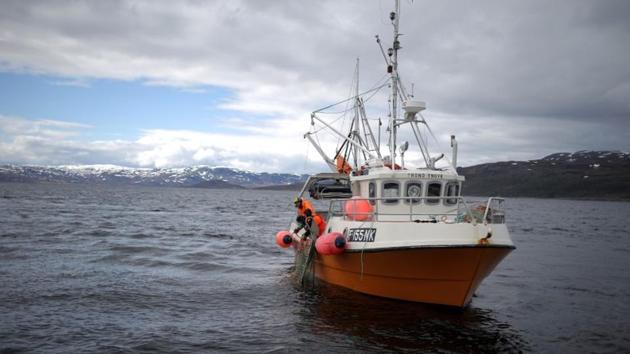
Local officials gave the green light for the privately-owned Nussir copper project back in 2012 on the grounds it would bring in much-needed jobs and funds. It has been stuck ever since. Nussir said the area contains 72 million tonnes of copper -- Norway’s largest reserve -- and has planned more than 1 billion crowns ($124 million) in investment. (Stoyan Nenov / REUTERS)
5/12
 View Photos in a new improved layout
Updated on Jul 11, 2018 11:47 AM
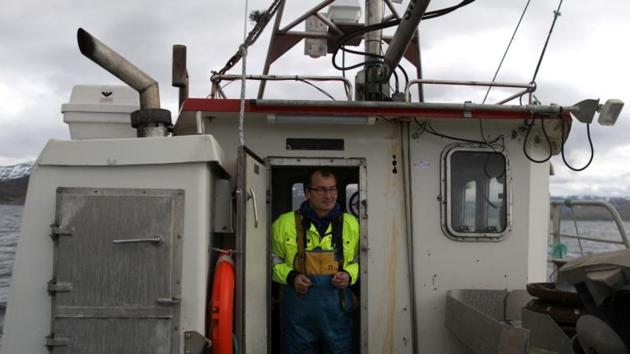
“I don’t get it,” Tommy Pettersen, a 47-year-old Sami fisherman, said on board his boat, which gives him a potentially lucrative but unpredictable income. “We are a maritime nation. We have relied on the ocean to live off and we want to dump this stuff in the fjord?” (Stoyan Nenov / REUTERS)
6/12
 View Photos in a new improved layout
Updated on Jul 11, 2018 11:47 AM
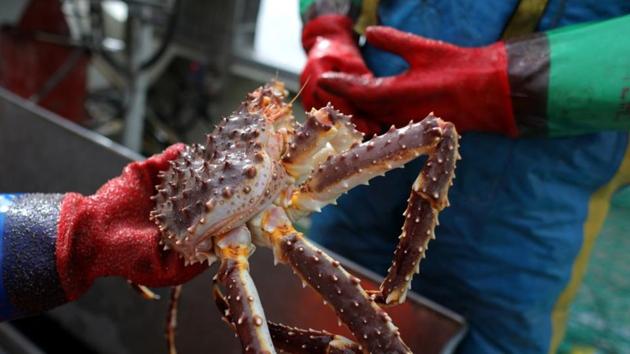
Last year Patterson earned 1.6 million crowns ($199,000) for four weeks’ work -- about half from cod and the rest from crabs. Indigenous herders and fishermen said the plan to dump the mine’s tailings in the fjord would destroy spawning grounds for cod and the mine would damage summer pasture grounds and frighten the reindeer. (Stoyan Nenov / REUTERS)
7/12
 View Photos in a new improved layout
Updated on Jul 11, 2018 11:47 AM
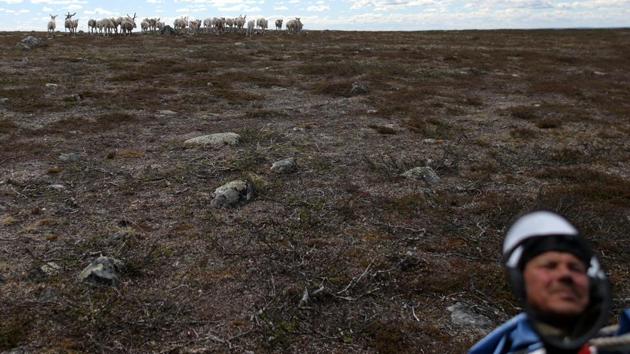
Compared to Petterson, Sara’s income is steadier. Anders Oskal, of the International Centre for Reindeer Husbandry, said it was ironic that Nussir may be allowed to dump waste when Norwegian laws oblige herders to send the animals’ stomachs and intestines for destruction hundreds of kilometres away, to reduce risks of disease. (Stoyan Nenov / REUTERS)
8/12
 View Photos in a new improved layout
Updated on Jul 11, 2018 11:47 AM
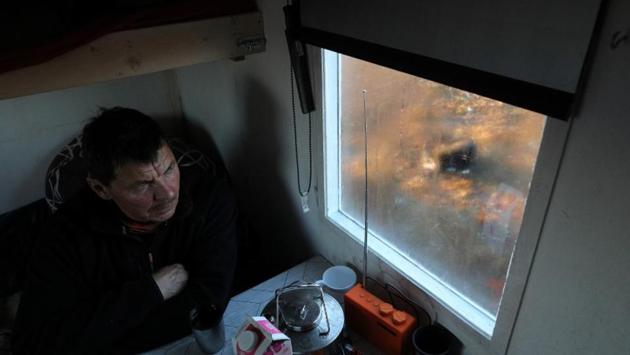
Sara takes rest in a small cabin near Lake Iesjavri, as his dog Chappe waits outside. The herders insist they are not opposed to change -- their language has no word for “stability” -- but Sara said the politicians were not listening. “If this mine gets the go ahead, we will go to the courts to stop it. ” (Stoyan Nenov / REUTERS)
9/12
 View Photos in a new improved layout
Updated on Jul 11, 2018 11:47 AM
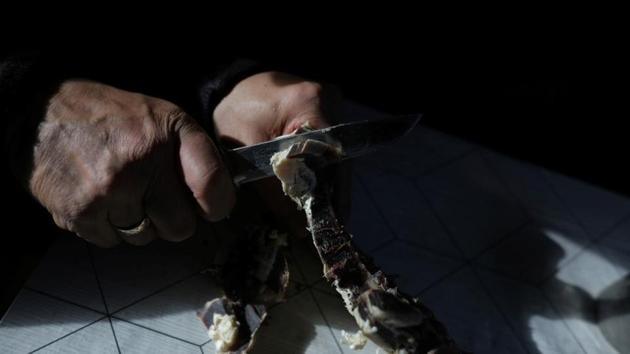
Sara cuts dried reindeer meat. In Norway, the government is offering exploration licences ever further north, in areas covered by winter sea ice until recent decades. Some reindeer herders see the influx of workers as a potential new market for their meat, but say companies rarely buy enough. (Stoyan Nenov / REUTERS)
10/12
 View Photos in a new improved layout
Updated on Jul 11, 2018 11:47 AM
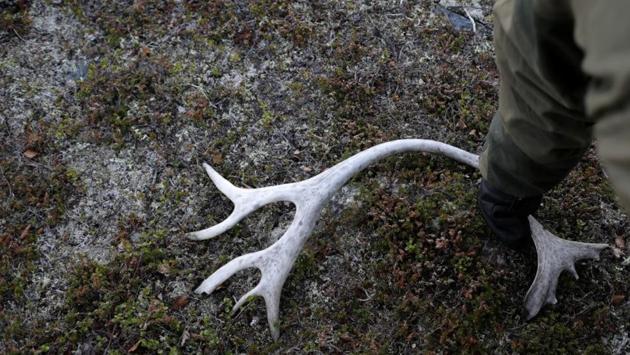
It is not only herders and companies that are facing off. Conflicts of interest between those continuing millennia-old traditions and other residents and visitors are increasing. Across the Arctic from Norway, in Canada, Lloyd Binder said his 4,000-strong reindeer herd at Inuvik, the country’s biggest, had suffered poaching since a new highway opened to cars in November. (Stoyan Nenov / REUTERS)
11/12
 View Photos in a new improved layout
Updated on Jul 11, 2018 11:47 AM
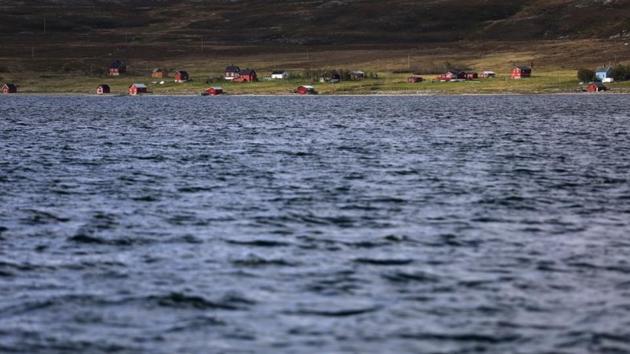
Moreover, average temperatures in the Arctic region have risen by 2 degree Celsius since pre-industrial times, twice as fast as the world average, according to research for the intergovernmental Arctic Council. Temperatures now sometimes spike above freezing in mid-winter, melting snow that then re-freezes into a blanket of ice on lichen pastures that the reindeer cannot nuzzle through. (Stoyan Nenov / REUTERS)
12/12
 View Photos in a new improved layout
Updated on Jul 11, 2018 11:47 AM


