
 E-Paper



Photos: Baobab’s superfood hype creates business for South African villages
In South Africa, about 1,000 women have started earning a living by harvesting the furry, hard-shelled baobab fruit pods, which enthusiasts worldwide hail as a “superfood.” The Baobab tree takes 200 years to bear fruit is historically credited with mythical and spiritual powers in African folklore, and known as the “upside down tree.” The seeds and chalky powder inside the pods of the fruit have become a global health craze celebrated for their vitamin-packed properties and now used in everything from flavoured soda, ice cream and chocolate to gin and cosmetics.
Updated on: Sep 28, 2018 11:52 AM IST

Share via


Copy link

1/8
 View Photos in a new improved layout
Updated on Sep 28, 2018 11:52 AM
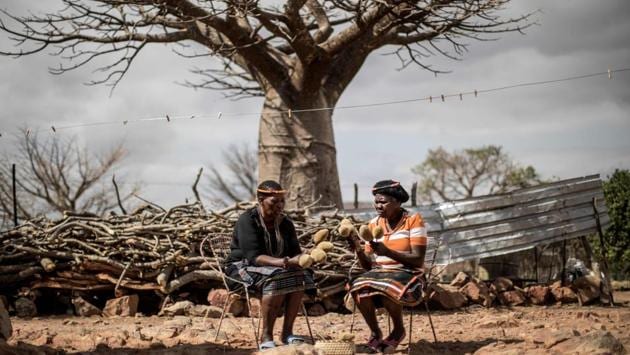
Baobab fruits harvesters Annah Muvhali, 54, (L) and Cristina Ndou hold baobab fruits they harvested in the village of Muswodi Dipeni in South Africa. About 1,000 women in this village, earn a living by harvesting the furry, hard-shelled baobab fruit pods, which enthusiasts worldwide hail as a “superfood.” (Marco Longari / AFP)
2/8
 View Photos in a new improved layout
Updated on Sep 28, 2018 11:52 AM
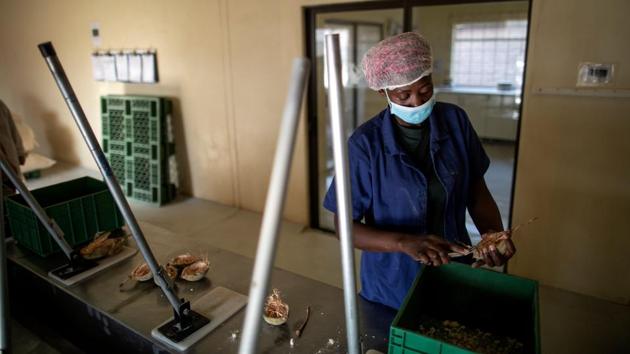
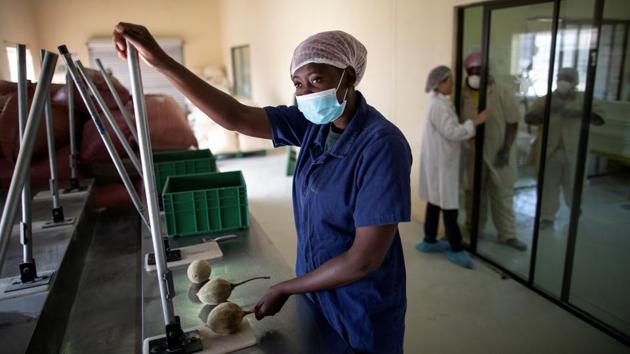
Fhatuwani Maguvha removes seeds from a baobab fruit at the Ecoproducts lab headquarters, a company behind baobab cultivation in Louis Trichardt, in the Limpopo Province. The seeds and chalky powder inside the fruit have become a health craze celebrated for their vitamin-packed properties, now used in everything from flavoured soda, ice cream and chocolate to gin and cosmetics. (Marco Longari / AFP)
3/8
 View Photos in a new improved layout
Updated on Sep 28, 2018 11:52 AM
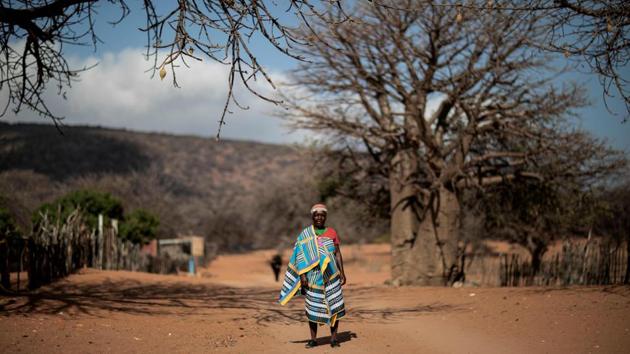
Baobab harvester Elisah Paswana, 59, has been nurturing a single one-metre-high sapling -- protected from goats by a makeshift fence -- for the past two years. Known locally as “baobab guardians” these women also plant and nurture baobab saplings in their gardens to earn an income for each centimetre the trees grow. Paswana said the baobab guardian programme had alleviated poverty in the community. She gets about $21 per centimeter. (Marco Longari / AFP)
4/8
 View Photos in a new improved layout
Updated on Sep 28, 2018 11:52 AM
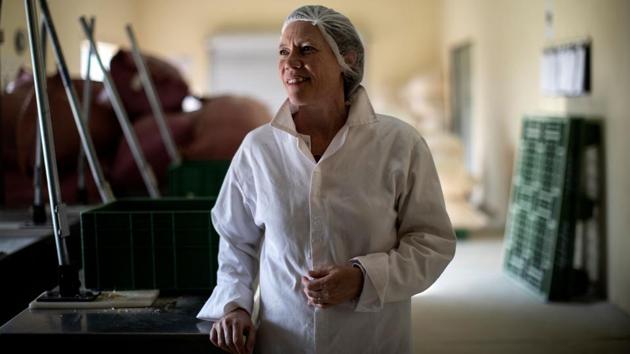
Sarah Venter, an ecologist who runs the Ecoproducts company, said the scheme rewards women for their skills and care. “They get paid a certain amount until the tree reaches three metres high and after that it will live for 1,000 years. It has a value chain where everybody benefits, including a rural person picking up something that’s already in their environment and getting an income for it,” Venter said. (Marco Longari / AFP)
5/8
 View Photos in a new improved layout
Updated on Sep 28, 2018 11:52 AM
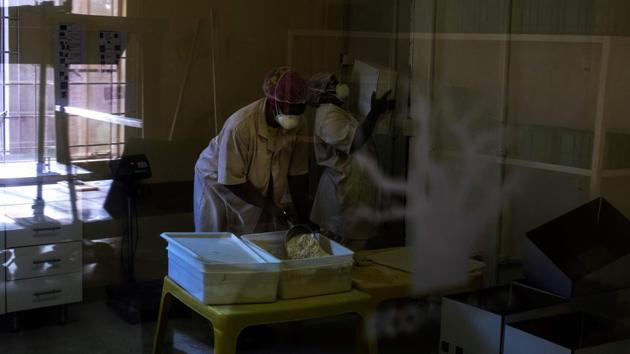
Ecoproducts employees handle the baobab powder at their lab. Venter added that rural producers will get more for what they collect if they get lucky enough as an industry to get to a point where demand exceeds supply. The demand has zoomed every year since 2013, with Europe, the US, and Canada now the biggest consumer markets. Estimates by the African Baobab Alliance show that baobab powder exports grew to 450 tonnes in 2017. (Marco Longari / AFP)
6/8
 View Photos in a new improved layout
Updated on Sep 28, 2018 11:52 AM
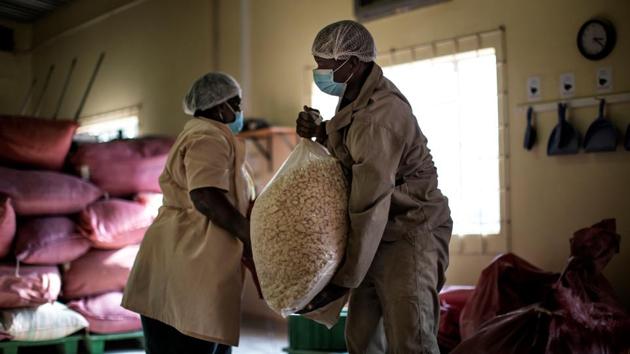
Virginia Ramuhuhu (L) and Enos Chavalala haul bags of baobab seeds at the lab. A leading distributor and supplier, Baobab Foods has seen explosive growth in demand for baobab products in recent years, saying in a statement that in 2018 they had more than doubled their annual imports of baobab fruit powder into the US alone. (Marco Longari / AFP)
7/8
 View Photos in a new improved layout
Updated on Sep 28, 2018 11:52 AM
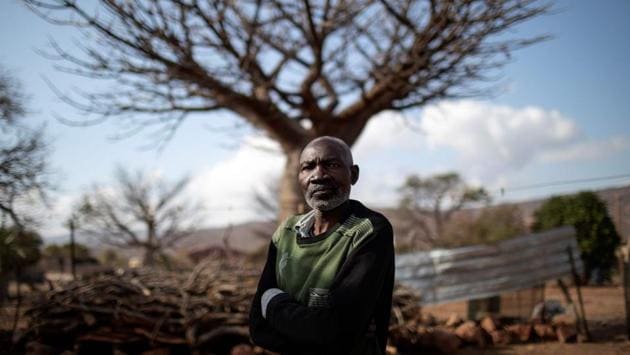
Baobab harvester Aaron Muchengeni, 58, poses in front of a baobab tree. This tree can take up to 200 years to bear fruit, but watering them every day can see that time reduced to 30 years. Historically credited with mythical and spiritual powers in African folklore, the baobab is known as the “upside down tree”, as its branches look like roots. (Marco Longari / AFP)
8/8
 View Photos in a new improved layout
Updated on Sep 28, 2018 11:52 AM


