
 E-Paper



Photos: Between peace talks and troop withdrawal, the fate of aid to Afghanistan
The children will inherit any peace that comes to Afghanistan, if only they can live to see it. Some 2 million children in Afghanistan face acute malnutrition, according to UNICEF, about 600,000 of them so severely malnourished that without urgent treatment they could die. Whimpering and badly malnourished, they are among the most vulnerable in a country that remains one of the poorest in the world. Now an expected United States-Taliban agreement to end nearly 18 years of fighting raises questions about whether the foreign aid largely propping up the country will drop as troops withdraw.
Updated on: Aug 30, 2019 3:57 PM IST

Share via


Copy link

1/11
 View Photos in a new improved layout
Updated on Aug 30, 2019 3:57 PM
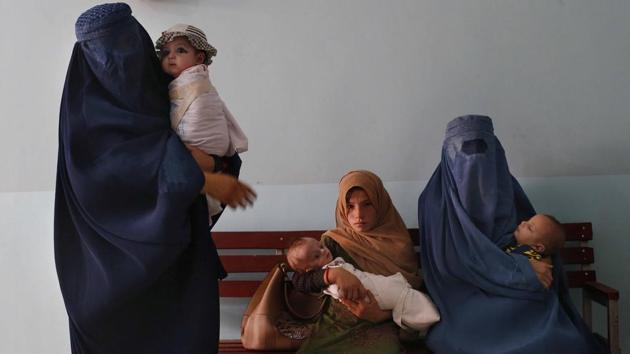
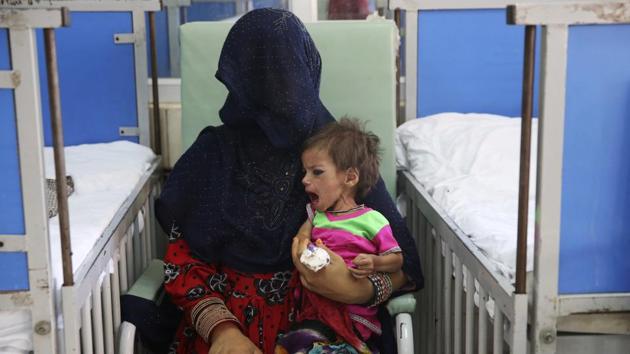
Mothers along with malnutritioned babies at a UNICEF clinic in Jabal Saraj, Afghanistan. Much depends on the Taliban, who have indicated they want that aid to continue even as they call for armed “invaders” to leave. But if the insurgent group that already controls roughly half of Afghanistan tries to assert a harsh form of Islamic law across the country or continues its attacks, some donors could walk away. (Rafiq Maqbool / AP)
2/11
 View Photos in a new improved layout
Updated on Aug 30, 2019 3:57 PM
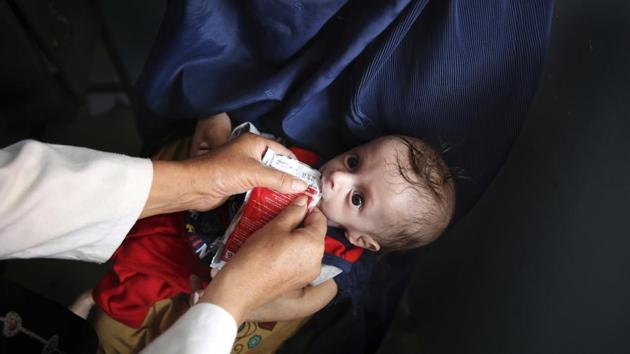
The urgency of aid is seen in Jebul Siraj, a mountainside community north of Kabul, where a burqa-clad woman held a gaunt, startled-looking boy named Abdullah, just 7 months old. Days ago, he was at an emergency ward. Now he sipped curiously at a supplement as part of a new nutrition monitoring program at a clinic supported by the UN children’s agency. Mothers and children lined up outside. (Rafiq Maqbool / AP)
3/11
 View Photos in a new improved layout
Updated on Aug 30, 2019 3:57 PM
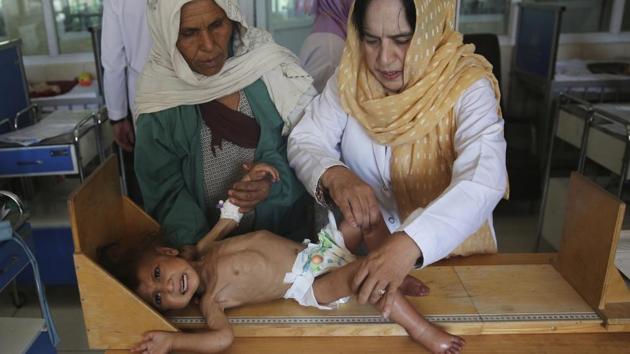
A hospital in nearby Charikar city treats more than 1,000 children a month for malnutrition and the problem is growing, nurse Fariba Hashimi said. “It’s mostly an economic issue, for mothers as well,” she said. “They can’t breastfeed because they don’t have enough income to feed themselves.” Aid has dropped in recent years, with supplemental biscuits and wheat flour that was once provided for patients now unavailable. (Rafiq Maqbool / AP)
4/11
 View Photos in a new improved layout
Updated on Aug 30, 2019 3:57 PM
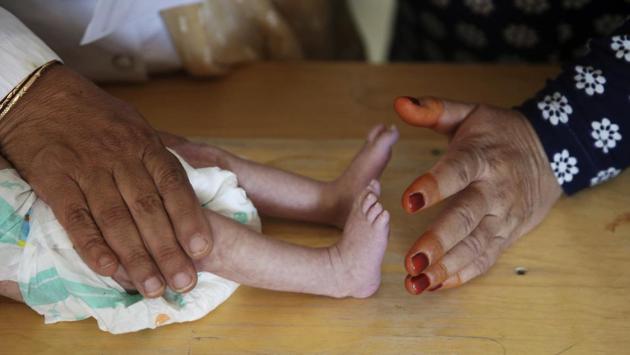
A nurse checks a malnourished baby at Indira Gandhi hospital in Kabul. Healthcare and other basic services are precarious in a country where the World Bank says grants finance some 75% of public expenditures. This year it warned against the dire consequences of “any rapid decline in international aid flows.” Afghanistan has been the largest single recipient of American aid since the US-led invasion to oust the Taliban in 2001. (Rafiq Maqbool / AP)
5/11
 View Photos in a new improved layout
Updated on Aug 30, 2019 3:57 PM
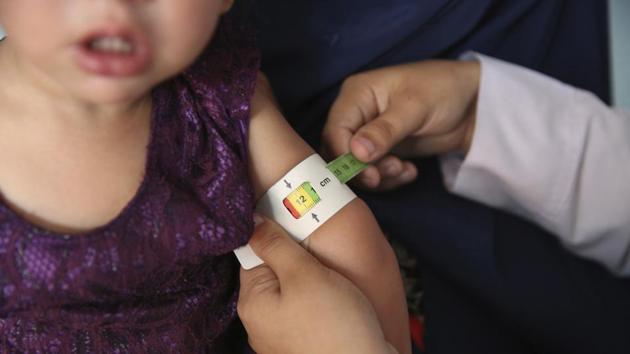
A doctor measures the arm of a malnourished girl at a UNICEF clinic. Despite billions of dollars in assistance more than half of Afghans still live in poverty. Much of the aid has gone to security efforts. If a US-Taliban agreement brings badly needed peace, Afghanistan could see an increase in aid, said Alex Thier, who once directed assistance for the country with the US Agency for International Development. (Rafiq Maqbool / AP)
6/11
 View Photos in a new improved layout
Updated on Aug 30, 2019 3:57 PM
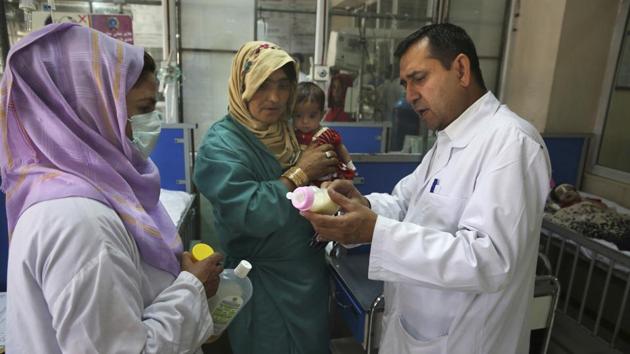
At the Indira Gandhi children’s hospital in Kabul, which treats 70 to 80 malnourished children a month, director Dr. Mohammad Bashir Qurishi (not pictured) worries about how doctors will be paid and medicine purchased if aid follows troops out of the country. Everyone is afraid of losing the progress made since 2001, he said, as the U.S. and the Taliban negotiate the country’s future while excluding the Afghan government. (Rafiq Maqbool / AP)
7/11
 View Photos in a new improved layout
Updated on Aug 30, 2019 3:57 PM
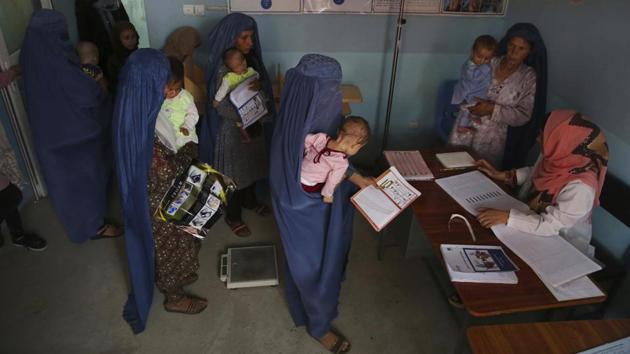
If the peace process drags out or fails, that could “depress enthusiasm for giving,” Thier warned. Some donors could be reluctant to fund a government in which the Taliban wield power. The local UN humanitarian coordinator, Toby Lanzer, who has spoken with “all of the authorities across Afghanistan,” said he believes aid won’t drop, calling the country’s case so compelling that efforts must continue, whatever happens. (Rafiq Maqbool / AP)
8/11
 View Photos in a new improved layout
Updated on Aug 30, 2019 3:57 PM
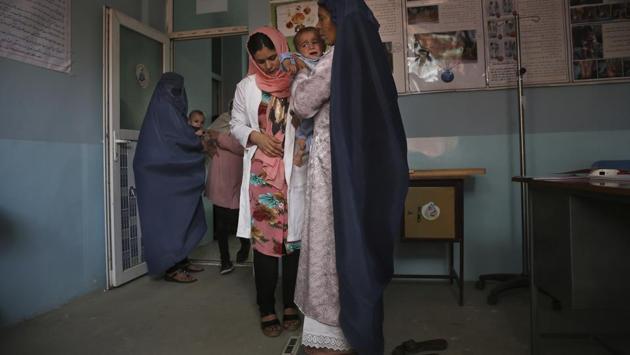
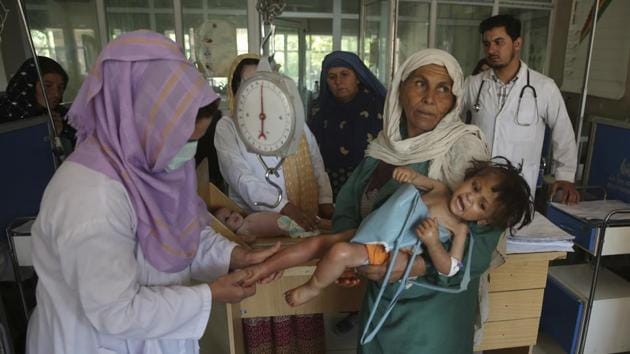
A doctor checks the weight of a mother and her son at a UNICEF clinic. Asked how the interest of President Donald Trump’s administration in cutting overall foreign aid complicates the situation, Lanzer paused for more than 10 seconds before saying that “when it comes to a strategic location such as Afghanistan, everybody has to chip in, and everybody has been chipping in.” (Rafiq Maqbool / AP)
9/11
 View Photos in a new improved layout
Updated on Aug 30, 2019 3:57 PM
Next year could be Afghanistan’s most pivotal, he said, as the latest round of international aid pledges ends. He expects another pledging conference in 2020 for “the new government, whichever government that might be.” Lanzer counts “on the continued generosity of the people of the United States of America, of institutions such as USAID, to stay the course.” (Rafiq Maqbool / AP)
10/11
 View Photos in a new improved layout
Updated on Aug 30, 2019 3:57 PM
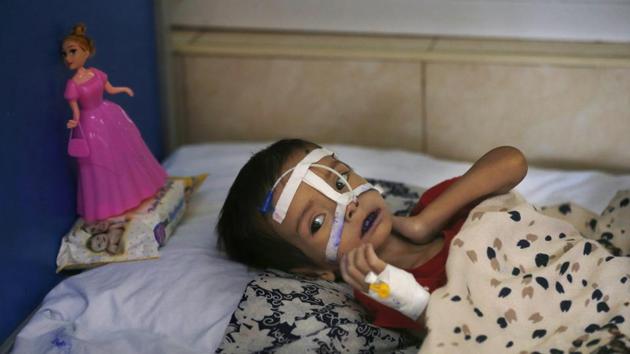
In the ward for malnourished children at the Indira Gandhi hospital, decorated with aid stickers from UNICEF and Japan, a nurse pointed out fragile toddlers. One 2-year-old, her face covered in tape to keep a nasal feeding tube in place, breathed with discomfort, a Barbie-like doll next to her on her pillow. (Rafiq Maqbool / AP)
11/11
 View Photos in a new improved layout
Updated on Aug 30, 2019 3:57 PM


