
 E-Paper



Photos | Cycling in Jeddah: Saudi women embrace social reform
The sight of women cycling publicly in deeply conservative Saudi Arabia wasn’t something plausible just a few years ago. But as Mohammed Bin Salman, the kingdom’s crown prince pushes liberal reforms; small changes are trickling down to the lives of Saudi women. Amirah al-Turkistani, a graphic design lecturer at Jeddah International College, lends a view into the changing lives of Saudi women walking in step with change and the opportunities coming their way, but also tackling lingering conservatism, male guardianship and tribal customs.
Updated on: Apr 11, 2018 9:38 AM IST

Share via


Copy link

1/10
 View Photos in a new improved layout
Updated on Apr 11, 2018 9:38 AM
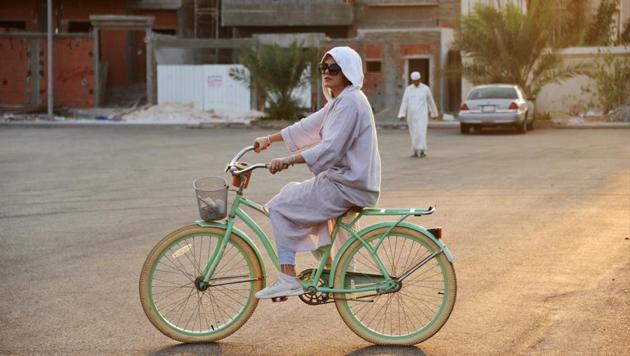
When Amirah al-Turkistani left Boston in 2015 after a graduate degree, friends mocked her decision to ship her beloved pistachio-coloured bicycle back home to Saudi Arabia. Riding in public was unthinkable then in the deeply conservative Muslim kingdom, where religious police patrolled public spaces to enforce modest dress, bans on music and alcohol, prayer-time store closures and the mixing of unrelated men and women. (Reem Baeshen / REUTERS)
2/10
 View Photos in a new improved layout
Updated on Apr 11, 2018 9:38 AM
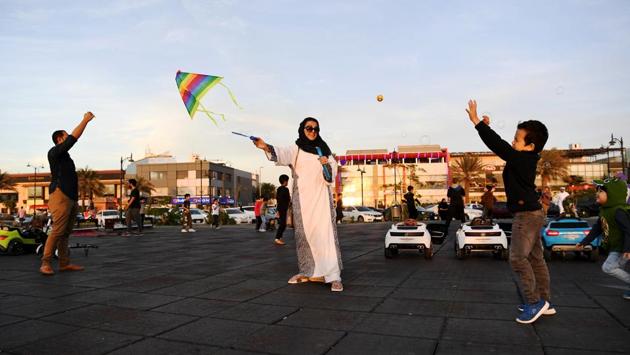
“They told me, ‘What will you do with it in Jeddah, hang it on the wall?’” she laughed, referring to her hometown on the Red Sea coast. Fast forward three years and Amirah is riding regularly on the seaside corniche, alone or with her husband and children. (Reem Baeshen / REUTERS)
3/10
 View Photos in a new improved layout
Updated on Apr 11, 2018 9:38 AM
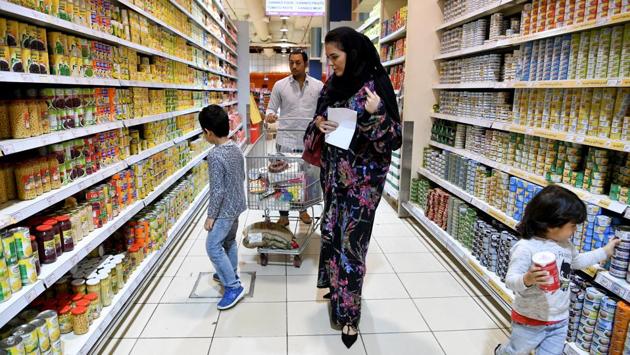
Amirah al-Turkistani, shops with her family at a supermarket in Jeddah. On the bike, the 30-year-old still wears an abaya, the loose-fitting, full-length robe, required public dress for Saudi women. But instead of traditional black, she chooses from a range of pastels she designed herself, trimmed with lace and sporting patches of bright colours. (Reem Baeshen / REUTERS)
4/10
 View Photos in a new improved layout
Updated on Apr 11, 2018 9:38 AM
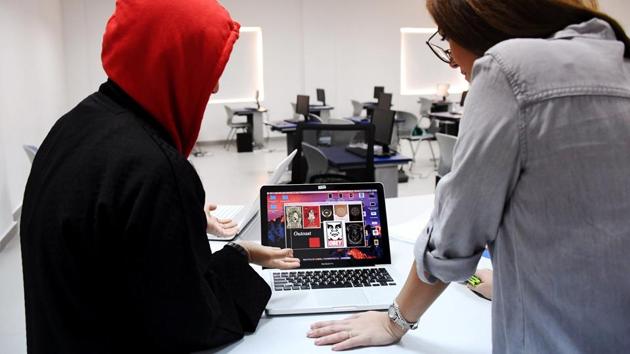
Al-Turkistani (R), a graphic design lecturer at Jeddah International College, critiques one of her students' work. “Jeddah today isn’t the same as Jeddah five, six years ago,” she said. “The scrutiny on clothes (has eased), there’s more places to go, working opportunities for women are the same as for men.” (Reem Baeshen / REUTERS)
5/10
 View Photos in a new improved layout
Updated on Apr 11, 2018 9:38 AM
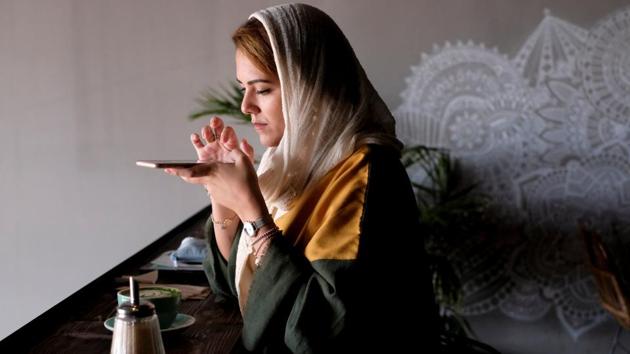
Saudi Arabia is now changing by the day. Under a reform programme aimed at modernising the kingdom and transforming its economy away from oil, 32-year-old Crown Prince Mohammed bin Salman has eased social restrictions, clipping the wings of the religious police, sponsoring public concerts and ending a nearly 40-year ban on commercial cinemas. (Reem Baeshen / REUTERS)
6/10
 View Photos in a new improved layout
Updated on Apr 11, 2018 9:38 AM
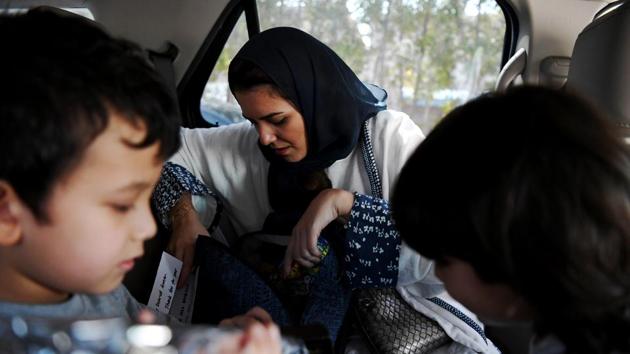
The government has also announced plans to allow women to drive cars starting this summer and Amirah, a mother of two, is raring to hit the road. “It’s not like I want to drive just because I want to drive,” she said. “It’s a need.” (Reem Baeshen / REUTERS)
7/10
 View Photos in a new improved layout
Updated on Apr 11, 2018 9:38 AM
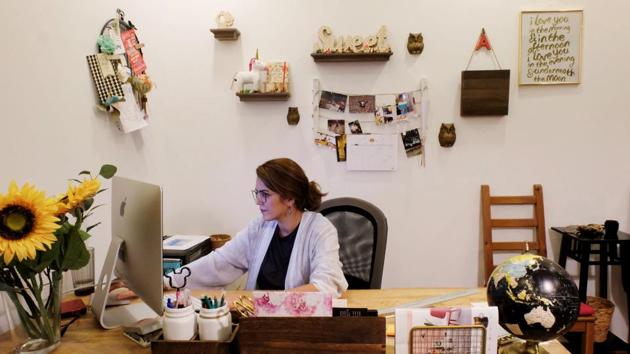
Besides her full-time job teaching graphic design at Jeddah International College she freelances on the side. Selling her homemade abayas brings her fulfilment and a little extra income. (Reem Baeshen / REUTERS)
8/10
 View Photos in a new improved layout
Updated on Apr 11, 2018 9:38 AM
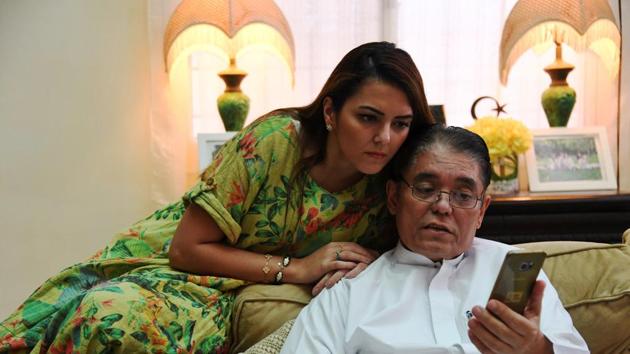
Fluent in English, Arabic and Turkish and trained in ballet, Amirah is part of a young generation of Saudi women seizing new opportunities in spite of a guardianship system that still requires women to have a male relative’s approval for certain key decisions like travelling abroad. She is seen here with her father. (Reem Baeshen / REUTERS)
9/10
 View Photos in a new improved layout
Updated on Apr 11, 2018 9:38 AM
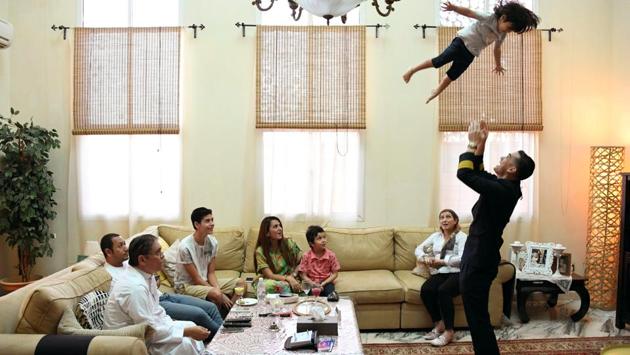
Yet she realises that not all women in this country of 32 million have the same opportunities. Tribal customs, domineering male relatives and lingering religious conservatism keep many women from accessing basic rights. “She can be (modern) but her family isn’t. She can be like this but her husband doesn’t allow it,” said Amirah, who believes some people still oppose the reforms. (Reem Baeshen / REUTERS)
10/10
 View Photos in a new improved layout
Updated on Apr 11, 2018 9:38 AM


