
 E-Paper



Photos: In Nigeria, Boko Haram’s displaced barter to survive
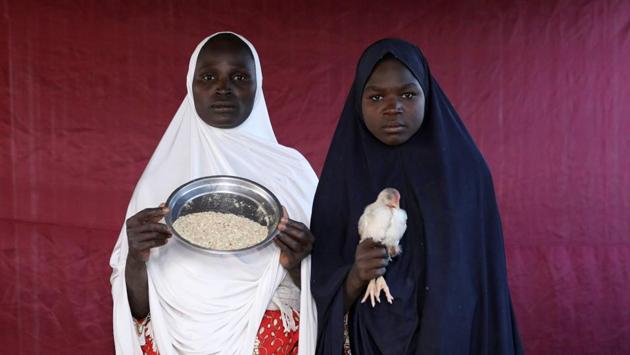
Binta Lawal (L) holds up a bowl of poultry feed with Aisha Buba at the Bakasi camp in Borno, Nigeria. The 8-year Boko Haram insurgency in Nigeria’s northeast has displaced around 2 million people, some within Nigeria and some overseas. The UN calls it one of the world’s worst humanitarian crises. In the camps, the displaced frequently swap what little they have for their preferred goods. (Afolabi Sotunde / REUTERS)
Updated on: Jan 05, 2018 9:48 AM IST

Share via


Copy link

1/8
 View Photos in a new improved layout
Updated on Jan 05, 2018 9:48 AM
Binta Lawal (L) holds up a bowl of poultry feed with Aisha Buba at the Bakasi camp in Borno, Nigeria. The 8-year Boko Haram insurgency in Nigeria’s northeast has displaced around 2 million people, some within Nigeria and some overseas. The UN calls it one of the world’s worst humanitarian crises. In the camps, the displaced frequently swap what little they have for their preferred goods. (Afolabi Sotunde / REUTERS)
2/8
 View Photos in a new improved layout
Updated on Jan 05, 2018 9:48 AM
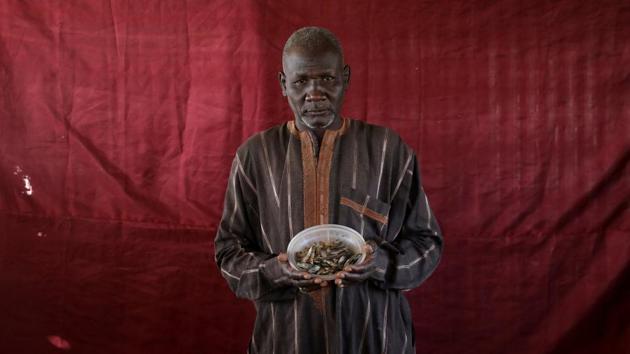
Abdulwahal Abdulla, a 50-year-old living in Bakasi for three years, hoped to trade his bowl of young tilapia worth roughly 150 naira for cooking oil. The dusty Bakasi camp sits on the outskirts of the city of Maiduguri in Borno, the spiritual home of the Islamist Boko Haram movement, which wants to establish a caliphate in the region surrounding Lake Chad. (Afolabi Sotunde / REUTERS)
3/8
 View Photos in a new improved layout
Updated on Jan 05, 2018 9:48 AM
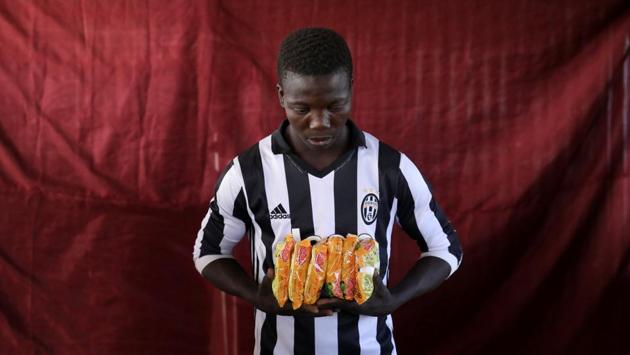
Abachi Mohammed holds six packets of chicken instant noodles at the Bakasi IDP camp. With little money at hand in the best of times, and struggling to find the goods they need, bartering is key to getting by for Bakasi’s more than 21,000 inhabitants. (Afolabi Sotunde / REUTERS)
4/8
 View Photos in a new improved layout
Updated on Jan 05, 2018 9:48 AM
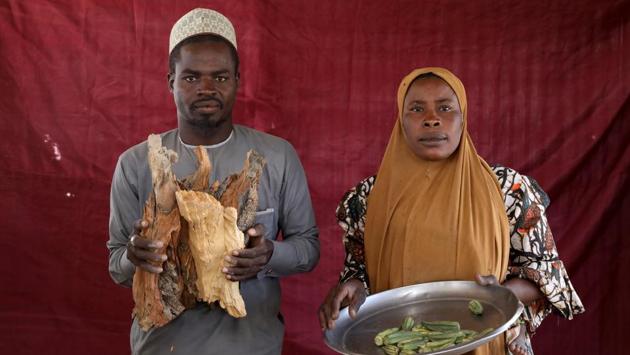
Isa Zakariya Audu (L), holds pieces of firewood whilst Kakaye Ahmadu Maikifi holds up a plate of okra. More than 670,000 live in camps in Nigeria’s northeast, where cash is hard to come by, opportunities for work are rare and the food and aid they receive is often not what they want. (Afolabi Sotunde / REUTERS)
5/8
 View Photos in a new improved layout
Updated on Jan 05, 2018 9:48 AM
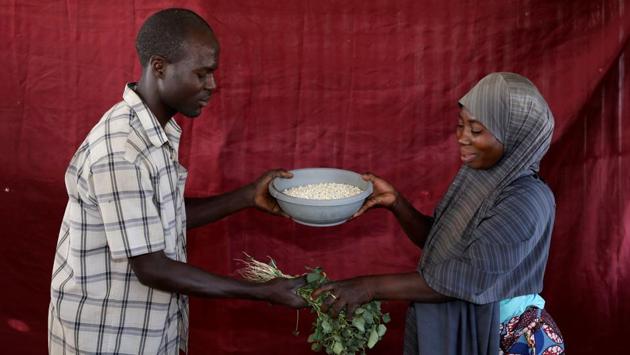
Falmata Ahmadu (R), swaps her bowl of maize for Musa Ali Wala's amaranth at the Bakasi camp. While many would prefer money, cash distribution in Nigeria’s northeast is fraught with risk. (Afolabi Sotunde / REUTERS)
6/8
 View Photos in a new improved layout
Updated on Jan 05, 2018 9:48 AM
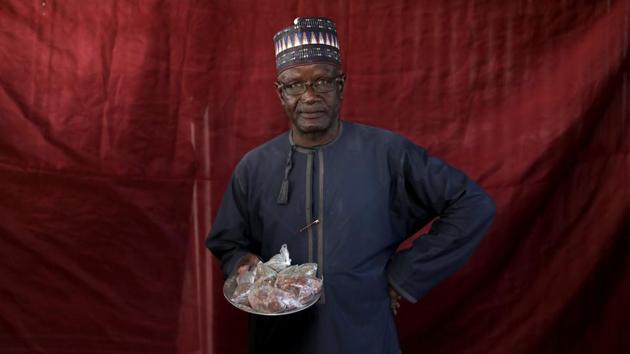
Jibril Adamu holds okra seeds and sugared groundnuts, ready for exchange at a camp in Nigeria. Reports of corruption in the humanitarian crisis relief efforts are rife. Those involved, such as government officials, aid workers and soldiers, are alleged to skim from the top before distributing aid. (Afolabi Sotunde / REUTERS)
7/8
 View Photos in a new improved layout
Updated on Jan 05, 2018 9:48 AM
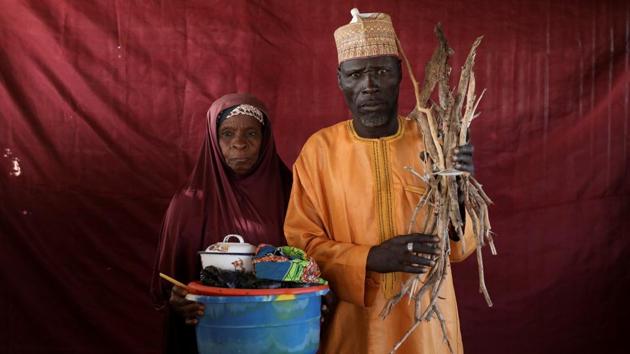
Aisha Umaru (L) holds a basin of milk as Umari Usman Kaski holds up firewood in Nigeria. Many of those responding to the crisis are also concerned that with economic prospects dim for the foreseeable future, millions of people will become dependent on the aid, the vast majority of which comes from abroad. (Afolabi Sotunde / REUTERS)
8/8
 View Photos in a new improved layout
Updated on Jan 05, 2018 9:48 AM


