
 E-Paper



Photos: On trial for genocide, Ratko Mladic still a hero in home village
UN war crimes judges will on Wednesday hand down a historic verdict in the genocide trial of former Bosnian Serbian commander Ratko Mladic, seeking to close a chapter in the brutal Balkans conflicts of the 1990s. In his home village, Mladic is still regarded a wartime hero.
Updated on: Nov 22, 2017 11:48 AM IST

Share via


Copy link

1/11
 View Photos in a new improved layout
Updated on Nov 22, 2017 11:48 AM
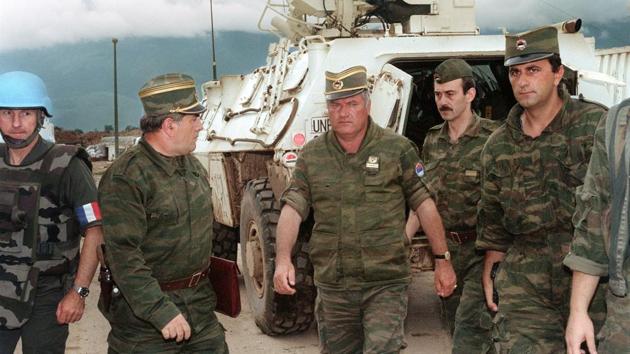
An August 10, 1993 photo shows Commander of Serbian forces in Bosnia General Ratko Mladic (C) at the airport of Sarajevo to negotiate the withdrawal of troops from Mount Igman. The International Criminal Tribunal for the former Yugoslavia (ICTY) will on November 22, 2017 deliver a verdict on Mladic, who faces 11 charges including genocide, war crimes and crimes against humanity --arising from Bosnia’s 1992-1995 war. (Gabriel Bouys / AFP)
2/11
 View Photos in a new improved layout
Updated on Nov 22, 2017 11:48 AM
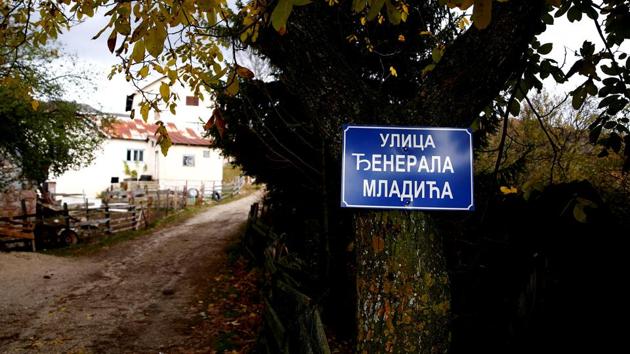
A sign reading "General Mladic Street" hangs on a tree in his home village Bozanovici where barely two dozen people --mostly his blood relatives-- still remain in Bosnia and Herzegovina. Mladic was captured in 2011 after 16 years on the run and is still revered in the Serb sector of Bosnia as a defender of the nation during the war that killed more than 100,000 people. (Dado Ruvic / REUTERS)
3/11
 View Photos in a new improved layout
Updated on Nov 22, 2017 11:48 AM
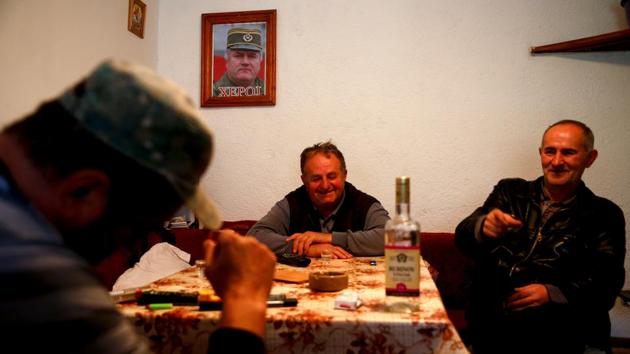
Dusko Mladic (C), first cousin of Ratko Mladic, at a tavern in Bozanovici. Mladic is accused of ordering the killing of 8,000 unarmed Muslim men and boys after the capture of Srebrenica, and raining artillery on civilians during the siege of Sarajevo. Here in his village, Mladic is, as the slogan on his portrait above the drinkers declares, “a hero”. (Dado Ruvic / REUTERS)
4/11
 View Photos in a new improved layout
Updated on Nov 22, 2017 11:48 AM
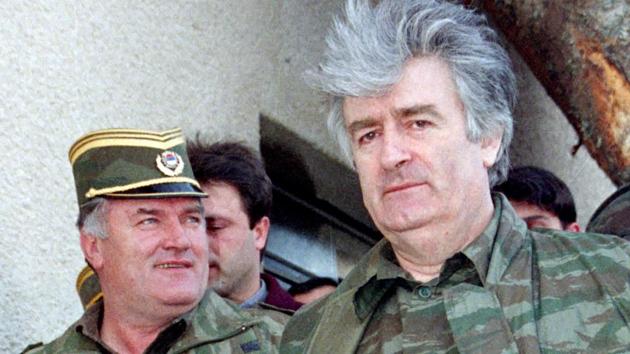
Bosnian Serb wartime leader Radovan Karadzic (R) and general Ratko Mladic in Banja Luka in April, 1995. Dubbed “The Butcher of Bosnia,” Mladic’s trial is the last before the ICTY, and the judgement --on one of the highest profile war crimes suspects in Europe since Nuremberg-- has been long awaited by tens of thousands of victims across the bitterly divided region. (Ranko Cukovic / REUTERS)
5/11
![Dusko Mladic, at his house in the village where Ratko Mladic was born. A portrait of him now hangs on a wall. "He [Ratko Mladic] did not kill people. During the war he gathered our Muslim neighbours from a nearby village and warned them in time to leave," said Dusko. (Dado Ruvic / REUTERS)](https://images.hindustantimes.com/rf/image_size_630x354/HT/p2/2017/11/22/Pictures/dying-wider-image-mladic-still-village-hero_963bfbfa-cf47-11e7-ac2e-6fc61cbabe91.jpg "Dusko Mladic, at his house in the village where Ratko Mladic was born. A portrait of him now hangs on a wall. \"He [Ratko Mladic] did not kill people. During the war he gathered our Muslim neighbours from a nearby village and warned them in time to leave,\" said Dusko. (Dado Ruvic / REUTERS)") View Photos in a new improved layout
View Photos in a new improved layoutUpdated on Nov 22, 2017 11:48 AM
Dusko Mladic, at his house in the village where Ratko Mladic was born. A portrait of him now hangs on a wall. "He [Ratko Mladic] did not kill people. During the war he gathered our Muslim neighbours from a nearby village and warned them in time to leave," said Dusko. (Dado Ruvic / REUTERS)
6/11
 View Photos in a new improved layout
Updated on Nov 22, 2017 11:48 AM
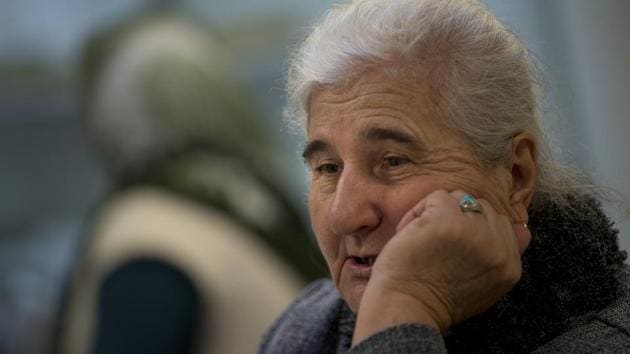
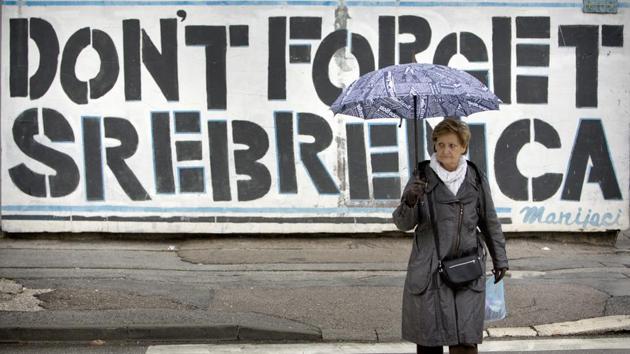
“He was giving away chocolate and sweets to the children while the cameras were rolling, telling us nothing will happen and that we have no reason to be afraid,” recalled Munira Subasic President of the Mothers of Srebrenica. After the cameras left Mladic ordered the killings, rapes of women along with the banishment and chasing out of people from Srebrenica, so he could make an ‘ethnically clean’ city, she told Reuters. (Peter Dejong / AP)
7/11
 View Photos in a new improved layout
Updated on Nov 22, 2017 11:48 AM
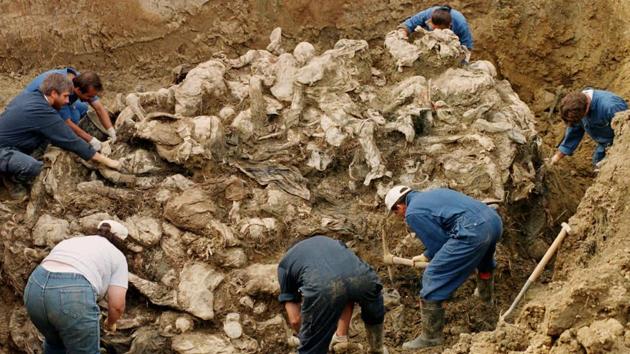
A September 18, 1996 photo shows International War Crimes Tribunal investigators clearing away soil and debris from dozens of Srebrenica victims buried in a mass grave near the village of Pilica. Mladic’s lawyers argue that Sarajevo was a legitimate military target as the main bastion of Muslim-led Bosnian government forces. They also assert that Mladic left Srebrenica shortly before Serb fighters began executing Muslim detainees and was later shocked at the discovery. (Staton R. Winter / AP)
8/11
 View Photos in a new improved layout
Updated on Nov 22, 2017 11:48 AM
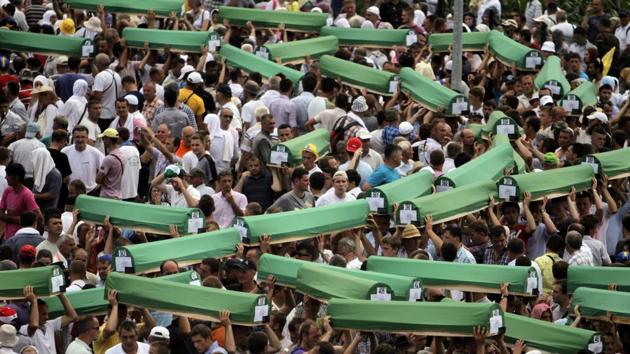
People carry coffins prior to a mass burial at the Potocari memorial cemetery near Srebrenica on July 11, 2011. Over the years, the International Commission of Missing Persons has identified some 6,900 remains of Srebrenica victims through DNA analysis. (Marko Drobnjakovic / AP)
9/11
 View Photos in a new improved layout
Updated on Nov 22, 2017 11:48 AM
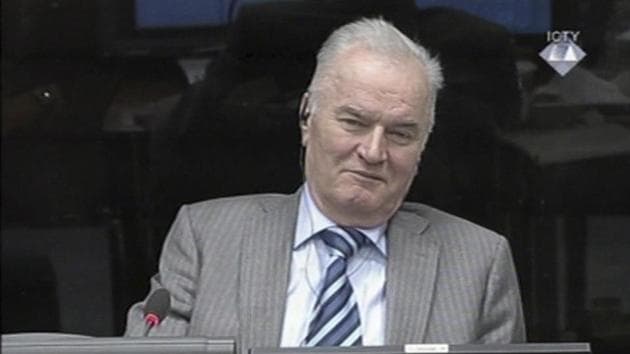
A January 28, 2014 video grab shows Ratko Mladic smiling during an appearance at the Yugoslav war crimes tribunal in The Hague, Netherlands. The stocky general, who saluted judges at his first appearance in 2011, has always denied charges. Defence lawyers, who in past days filed a flurry of requests to have their ailing client’s health assessed, have slammed his trial as “political” and said it failed to reconcile ethnic groups in Bosnia. (ICTY via AP)
10/11
 View Photos in a new improved layout
Updated on Nov 22, 2017 11:48 AM
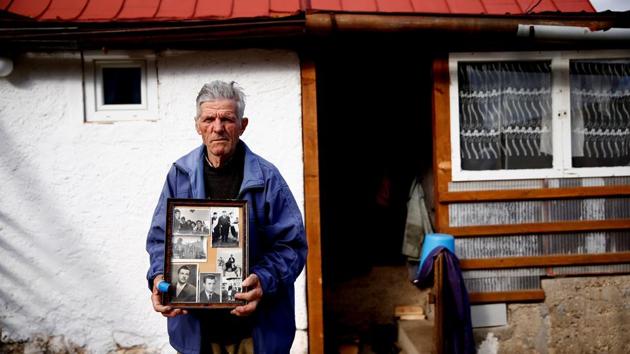
Mile Mladic, a cousin of the former commander Ratko Mladic, holds old family photos of Ratko Mladic and family in front of his home in Bozanovici. "I would be happiest if he died before the judgement," said Mile. "We would then raise a large monument for him in the village and write the truth. All this that is happening is not the truth. It is a lie. The general is not guilty." (Dado Ruvic / REUTERS)
11/11
 View Photos in a new improved layout
Updated on Nov 22, 2017 11:48 AM


