
 E-Paper



Photos:The land that was swallowed by world’s largest mud volcano
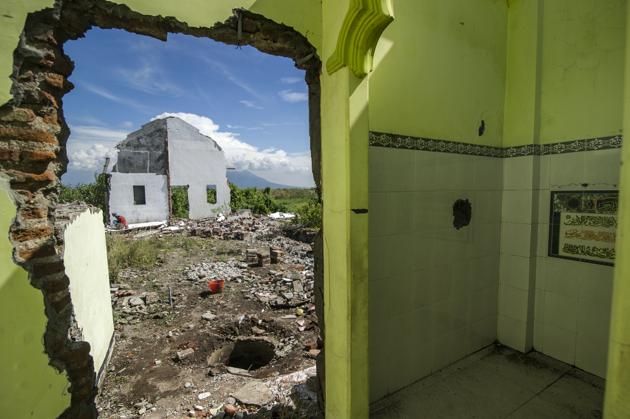
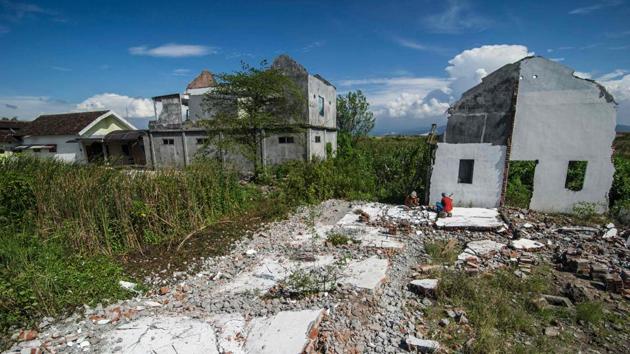
The remains of houses left by residents who received compensation from oil and gas company PT Lapimdo Brantas, which was drilling in the area at the time of the 2006 mud eruption, near the mud volcano incident area in Sidoarjo, East Java. A mud volcano that erupted in central Indonesia a decade ago swallowed entire villages , still oozing its all-consuming sludge. However for some entrepreneurial locals it has provided an unlikely business opportunity. “Mud tourism” is booming, as visitors flock to see rooftops poking above the giant bubbling lake, life-size statues made of mud and haunting memorials to one of the country’s worst environmental disasters. (AFP)
Updated on: Jun 02, 2017 10:39 AM IST

Share via


Copy link

1/7
 View Photos in a new improved layout
Updated on Jun 02, 2017 10:39 AM
The remains of houses left by residents who received compensation from oil and gas company PT Lapimdo Brantas, which was drilling in the area at the time of the 2006 mud eruption, near the mud volcano incident area in Sidoarjo, East Java. A mud volcano that erupted in central Indonesia a decade ago swallowed entire villages , still oozing its all-consuming sludge. However for some entrepreneurial locals it has provided an unlikely business opportunity. “Mud tourism” is booming, as visitors flock to see rooftops poking above the giant bubbling lake, life-size statues made of mud and haunting memorials to one of the country’s worst environmental disasters. (AFP)
2/7
 View Photos in a new improved layout
Updated on Jun 02, 2017 10:39 AM
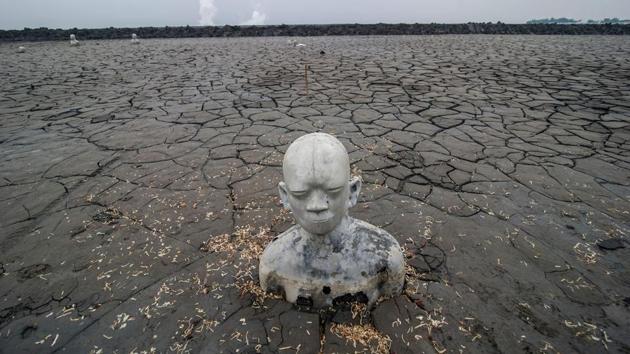
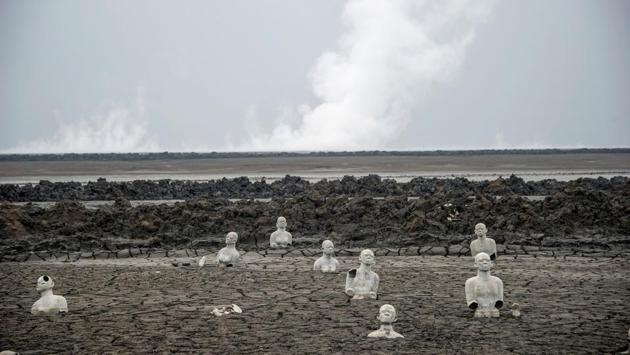
A statue standing semi-submerged in mud, a symbol of the human toll of the 2006 disaster,in Sidoarjo. (JUNI KRISWANTO / AFP)
3/7
 View Photos in a new improved layout
Updated on Jun 02, 2017 10:39 AM
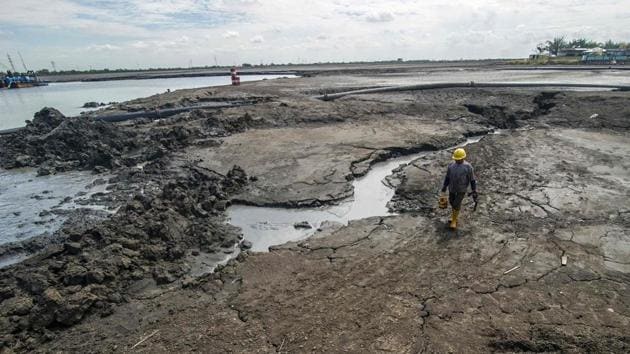
An Indonesian man working at the mud volcano incident area in Sidoarjo, East Java. Today, the devastated wasteland has become a dark and unlikely tourist attraction, drawing visitors keen to witness the ongoing flow of mud that may never be fully contained. (JUNI KRISWANTO / AFP)
4/7
 View Photos in a new improved layout
Updated on Jun 02, 2017 10:39 AM
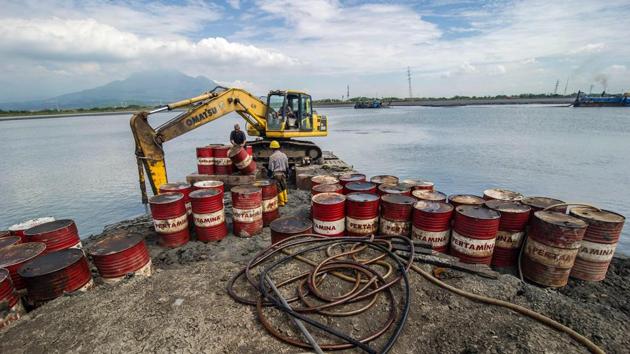
The cause of the mudflow has been fiercely disputed. Some scientists have blamed a distant earthquake, but most people pointed to drilling by an Indonesian oil and gas company that has agreed to pay compensation to victims (JUNI KRISWANTO / AFP)
5/7
 View Photos in a new improved layout
Updated on Jun 02, 2017 10:39 AM
By September 2006, the mud flow had inundated villages and destroyed rice paddies, sugarcane fields and even a major highway. (JUNI KRISWANTO /AFP)
6/7
 View Photos in a new improved layout
Updated on Jun 02, 2017 10:39 AM
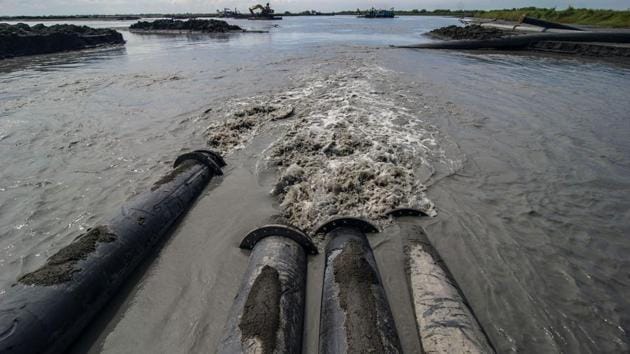
The mud continues to spurt out the equivalent of 10 Olympic swimming pools of hot, stinking sludge each day, according to AFP. (JUNI KRISWANTO / AFP)
7/7
 View Photos in a new improved layout
Updated on Jun 02, 2017 10:39 AM


