
 E-Paper



Mohenjo-Daro ruins in Pakistan threatened by nature and terrorism
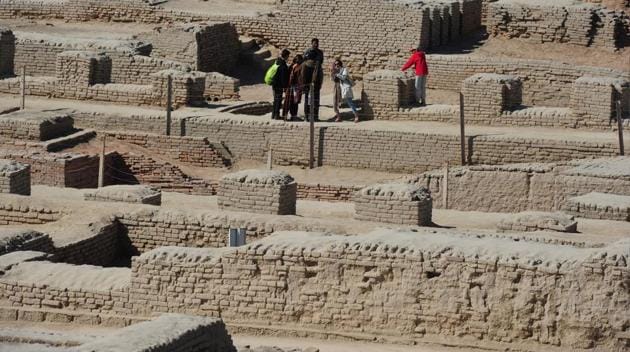
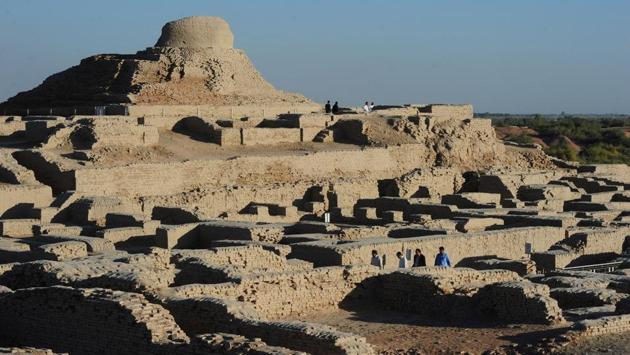
The UNESCO World Heritage archaeological site of Mohenjo- daro some 425 kms north of the Pakistani city of Karachi. Once the centre of a powerful civilisation, Mohenjo- daro was one of the world's earliest cities. Archaeologists believe the ruins could unlock the secrets of the Indus Valley people, who flourished around 3,000 BC in what is now India and Pakistan. But researchers have warned that if nothing is done to protect the ruins, all will be lost into obscurity soon. (Asif Hassan/AFP)
Updated on: May 18, 2017 9:24 AM IST

Share via


Copy link

1/8
 View Photos in a new improved layout
Updated on May 18, 2017 9:24 AM
The UNESCO World Heritage archaeological site of Mohenjo- daro some 425 kms north of the Pakistani city of Karachi. Once the centre of a powerful civilisation, Mohenjo- daro was one of the world's earliest cities. Archaeologists believe the ruins could unlock the secrets of the Indus Valley people, who flourished around 3,000 BC in what is now India and Pakistan. But researchers have warned that if nothing is done to protect the ruins, all will be lost into obscurity soon. (Asif Hassan/AFP)
2/8
 View Photos in a new improved layout
Updated on May 18, 2017 9:24 AM
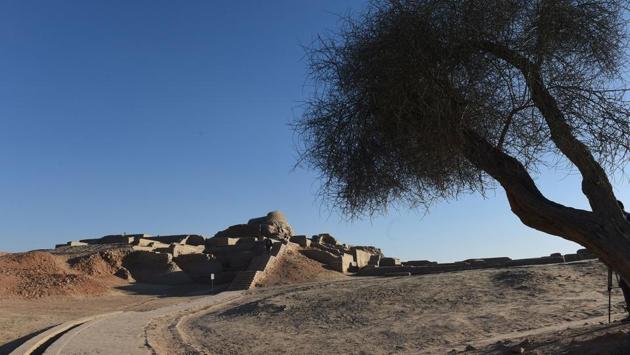
The Indus Valley Civilisation also known as the Bronze Age was spread mainly in parts of South Asia, extending from Afghanistan to Pakistan and northwest India. (Asif Hassan/AFP)
3/8
 View Photos in a new improved layout
Updated on May 18, 2017 9:24 AM
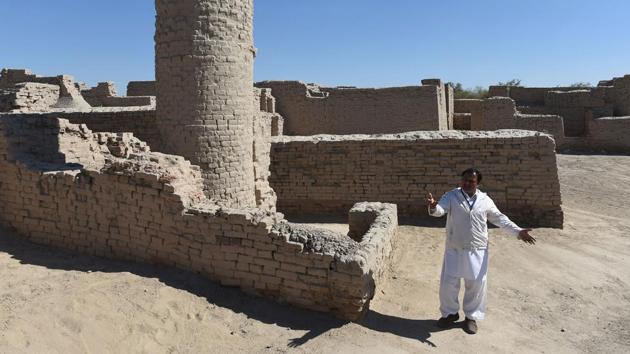
A civilisation that widely flourished along the basins of river Indus, it was one of three early civilisations of the Old World. At its peak, the civilisation might have had a population of over five million people. (Asif Hassan/AFP)
4/8
 View Photos in a new improved layout
Updated on May 18, 2017 9:24 AM
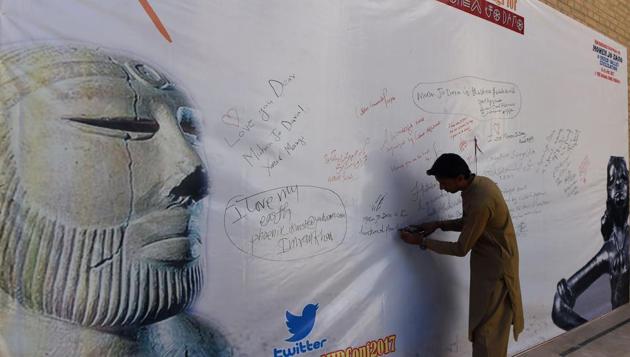
A Pakistani visitor writes on a banner during an international conference near the UNESCO World Heritage archaeological site of Mohenjo-daro, some 425 kms north of Karachi city in Pakistan. (Asif Hassan/AFP)
5/8
 View Photos in a new improved layout
Updated on May 18, 2017 9:24 AM
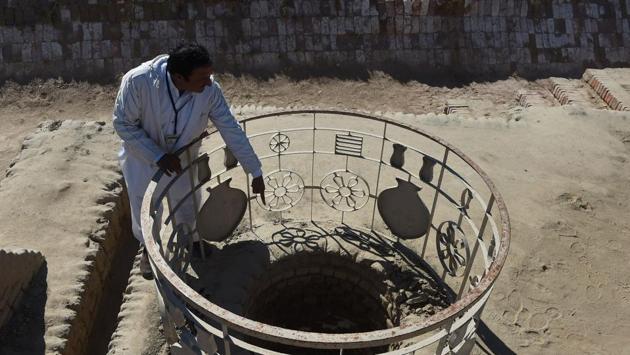
A caretaker at the archaeological site of Mohenjo-daro points out a well .The thermo stress as a result of the extreme hot weather coupled with salt from underground water is destroying the ruins. (Asif Hassan/AFP)
6/8
 View Photos in a new improved layout
Updated on May 18, 2017 9:24 AM
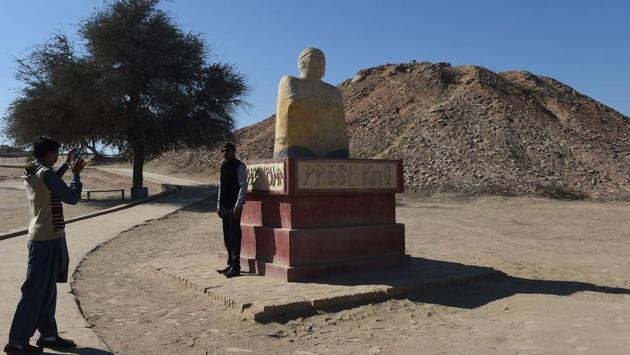
Not only that,Pakistan’s long fought fight against militancy has also raised the spectre of destruction in the area. (Asif Hassan/AFP)
7/8
 View Photos in a new improved layout
Updated on May 18, 2017 9:24 AM
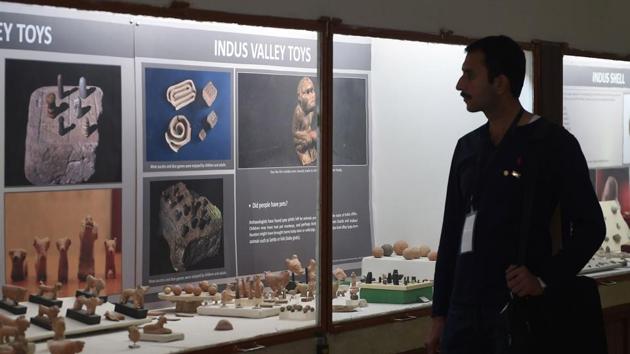
Mohenjo-daro had a complex water and waste management system which archaeologist have noted was better than many parts of Pakistan now. Houses had tiled bathrooms and cylindrical brick wells, sometimes raised to allow for a flush system.However little is known about why such an advanced and flourishing civilisation disappeared suddenly. (Asif Hassan/AFP)
8/8
 View Photos in a new improved layout
Updated on May 18, 2017 9:24 AM


