
 E-Paper



2020, Pune’s year in Covid: Gave the dead their last touch of humanity
Arun Jangam (49) has been instrumental in the cremation of 3,000 deceased Covid-19 patients. Neither the crematorium staff, nor the family members of these patients were ready to touch the corpses, given the apprehension surrounding the virus

 Prefer HTon Google


For crematory operator Arun Jangam (49), the lines between his work responsibilities and social service have largely blurred since the outbreak of the pandemic.
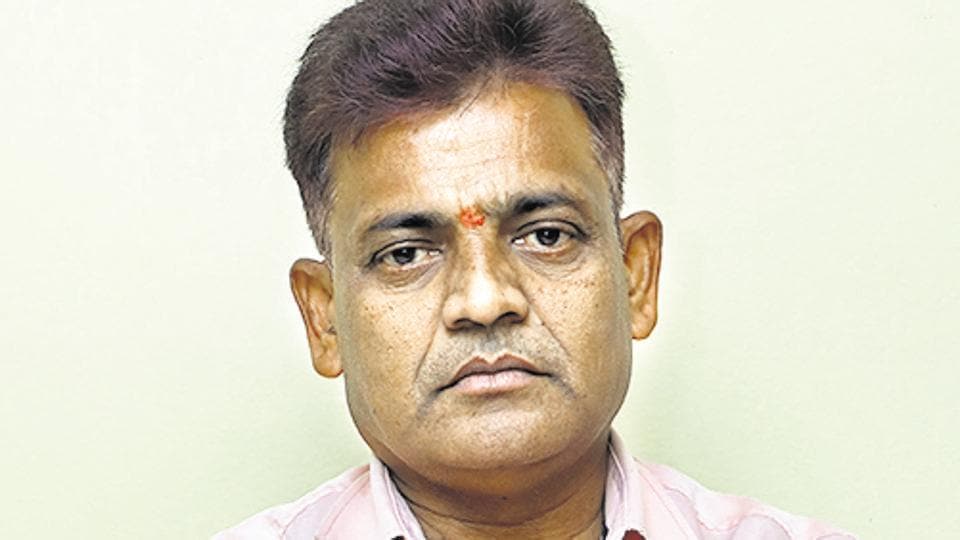
Jangam has been instrumental in the cremation of 3,000 deceased Covid-19 patients. Neither the crematorium staff, nor the family members of these patients were ready to touch the corpses, given the apprehension surrounding the virus, especially at the outset of the pandemic.
“The corpses of Covid victims used to be sent to the crematorium by the hospitals. The families of these patients used to be absent most of the time, and even if they did show up, they would be standing away from the corpses. Right from transporting the bodies from the ambulance to the crematory machine, to also performing final rites, there are a series of tasks that require manpower,” explains Jangam, adding how he shouldered all of these responsibilities single-handedly, especially in the months of March and April, when the number of those infected was heading to its peak.
For the last nine months, Jangam has been working round-the-clock, to the point that he had shifted base to Yerawada’s Amardham crematorium from April to June.
These months had seen a particularly sharp rise in Covid-19 deaths in the city.
“I had a very humanitarian perspective while cremating the bodies of abandoned Covid patients. While doing the work, I wasn’t thinking of contracting the virus or about the monetary returns. I did what I thought was right, and somebody had to do it,” says Jangam, in the most nonchalant manner.
The man has spent nearly two decades working in PMC-run crematoriums, and at present, he has joined hands with PMC to supervise the cremation of Covid-19 fatalities.
This undertaking, on-paper, came through very recently, but during the most crucial months of the pandemic, Jangam was doing the work all by himself, sans any direction, team or remuneration.
Gradually, he built his own team of 26, and now they have formed groups of four, working in shifts.
“From May till July, work was overwhelming. Every day, there would be about 15-20 bodies, and I used to be exhausted and sleepless. There came a point that I reached the fag end of my endurance, and I was taken ill. Thankfully, I recovered, and got back to work,” he says, underlining how post his recovery, his family, too helped share the burden.
He says: “In the initial days of the pandemic, I used to come back after a long day at the crematorium, only to realise that the neighbours had begun to ostracise me and my family. The stigma about the virus was staggering. Later on, I stopped coming home and started staying at the crematorium as the workload had increased.”
PMC’s assistant health officer, Dr Kalpana Baliwant, who is handling the management of Covid mortalities, lauds Jangam’s dedicated work, “Jangam did his work in the most crucial times. Managing more than 3,000 cremations without any mistakes and confusions is only the work of a humane and meticulous individual. He is a Covid hero.”


