
 E-Paper



Civic Sanskriti: It’s in the air
Apart from gaseous pollutants like nitrogen oxides and sulphur dioxide, the air we breathe has particles that cause breathing difficulties


I’ve signed up for Safar’s email alerts. After enjoying clean air throughout the lockdowns, it’s dismaying to see the air quality index signalling orange, meaning ‘poor’ air quality in Pune. While northern India has it much worse, air pollution in Pune is a growing and serious health threat.
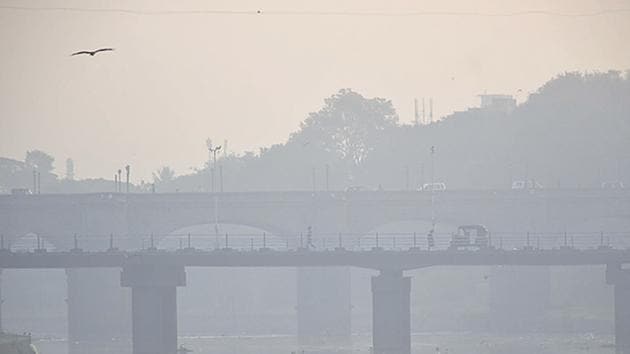
Apart from gaseous pollutants like nitrogen oxides and sulphur dioxide, the air we breathe has particles that cause breathing difficulties. These PM 2.5 or particulate matter less than 2.5 microns in size, are so tiny that they pass through the lungs to enter the bloodstream and harm the heart and brain. New studies show that air pollution worsens the health impacts of the Covid-19 pandemic.
Air quality index apps and websites like Safar tell you what to do to avoid exposure when air quality is poor. The immediate thing is to reduce outdoor and heavy activity like exercise, jogging, travel, and morning walks. After months of suspended animation now we have to give in to these suspended particles!
It does not have to be this way.
Some years ago, the Japanese contributed the slogan “Build back better” to the UN’s efforts to recover from disasters and prepare for the future. How we adapt and recover from the effects of Covid-19 should help us be better prepared for such shocks.
The good news is that the health impacts of air pollution are largely preventable. To understand this, we should go to the root of the problem. In Pune, as the PMC’s annual Environment Status Report tells us, tailpipe emissions from petrol/ diesel vehicles are among the largest causes of air pollution. Waste burning especially in the winters for warmth and to heat water is another.
Maharashtra Pollution Control Board has prepared the Pune Air Action Plan. A public review should be done so that it sets actions to bring pollution down to safe levels. And be backed with political will, community support, and some humanitarian care.
Good affordable transport helps in economic recovery as people can travel to work. For cleaner, healthier, safer travel, we need to ask our corporators and municipal officials, and work with them, for excellent footpaths, road crossings, safe, comfortable cycling facilities, bus services, and shared-rickshaw shuttles for local and last mile connectivity. Electric vehicles can help, but an electric car is still a car, occupying road and parking space pushing out shared rickshaws, buses, cycle lanes and footpaths. We may just end up stuck in ‘clean congestion’.
As a cyclist, I find it ironic that bikers and car drivers honk at me to “get out of the way”. I feel my cycling T-shirt should say “road occupy karne wale, tera muh kala”. But, calling each other names does not really help. We need to rid ourselves of the
mistaken belief that wider roads and more flyovers for motorized vehicles will make our city better. Instead, can we try to build back better, neighbourhood by neighbourhood, ward by ward? Can our civic conversations be about making our streets safer and air cleaner for children, and elderly and everyone? It’s a choice we can make.
On an ending note, it’s winter and it’s the season for giving – why not give out blankets, mufflers, caps to the hard-working people who watch over the neighbourhood at night. Dr Priyadarshini Karve, Samuchit Enviro Tech and Sharmila Deo, Parisar, are experimenting with the help of housing societies to provide cleaner stoves that use twigs and leaves to provide warmth for security guards at night while minimising emissions. I’d love to join. Roasting sweet potatoes could add some tasty fun to the project.


