The discovery of the only known fossil of a human ancestor from South Asia, the Narmada Human, was made on December 5, 1982 on the banks of Narmada.
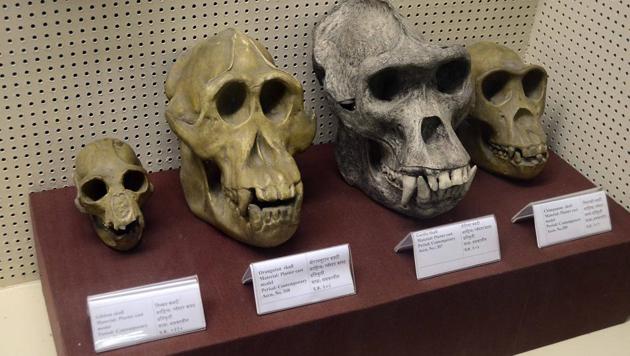
A replica of this discovery of the century which proved the presence of early humans in this part of the subcontinent, lies quietly in one corner of the Iravati Karve Museum of Anthropology, in the Savitribai Phule Pune University (SPPU).
Donated by the Geological Survey of India, the replicated specimen of the discovery, is among many such artifacts including Warli tribal masks, weaved shawls from Naga tribes, and so on, which will be open to public viewing on December 15, to commemorate the birth anniversary of anthropologist Iravati Karve, under whose name the museum was established in 1993.
The museum under the department of anthropology, which displays a total of 1,096 artifacts from 45 tribes across the country, will be open to public viewing on the Silver Jubilee Day of the museum from 11 am to 6 pm.
“We want to reach out to the people of the city, especially the youth to reveal the wonders of anthropology. This museum on the basement of the building of department of anthropology, was once a parking space. The transformation from that to this 24 years ago, is something worth viewing,” said Shaunak Kulkarni, director of department of anthropology.
The department is the only post-graduate department of anthropology in the state which provides MA, MSc and PhD in Anthropology.
{{/usCountry}}The department is the only post-graduate department of anthropology in the state which provides MA, MSc and PhD in Anthropology.
{{/usCountry}}“Field work is an integral exercise. This does not involve a simple survey or a short visit to the location but includes spending substantial amount of time at a spot with a particular tribe to live life like them and understand them,” said Kulkarni.