Sudden nip in the air, due to dipping mercury, has made the royal city residents fall prey to several viral diseases present in the atmosphere.
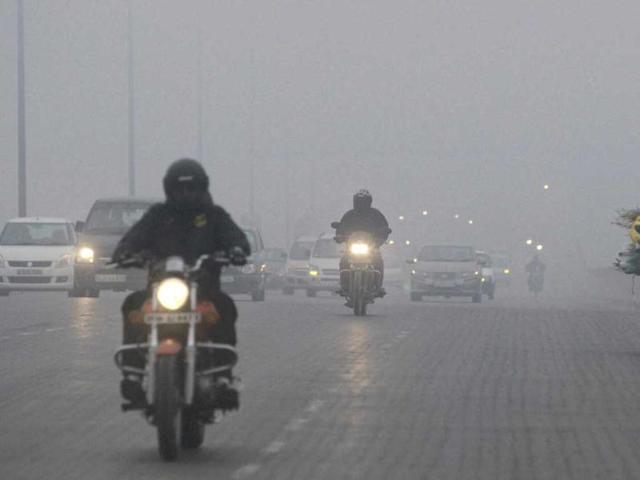
Many can be spotted sneezing, coughing, and having breathing and even cardiac problems. Cardiologist of Patiala Heart Institute, SPS Bagga said, "With the onset of winter, cardiac problems among people tend to increase."
Bagga added that reduced temperature is known for rising blood pressure. "It also increases certain protein levels and increases the risk of blood clots," he added.
"When the weather is cold, the heart has to work harder to maintain the body temperature and tighten arteries which restricts blood flow and reduces oxygen supply to the heart. These factors could trigger a heart attack, especially among elderly or those already suffering from cardiac disorders," he said.
He added that, one should consult a doctor and get their angiography done the moment a patient starts suffering from chest pain and sweating.
"People also suffer from hypothermia as the body temperature falls below normal during winter," he said.
Common symptoms for cardiac diseases:
Pain in left arm, neck, back and upper abdomen
Blood pressure fluctuation.
Respiratory problems:
Chest specialist of Amar Hospital, Dr Sandeep Gupta said, "During season change, sneezing, nasal discharge, eye itching, rashes on the body, coughing and difficulty in breathing crop up."
Respiratory problems:
Chest specialist of Amar Hospital, Dr Sandeep Gupta said, "During season change, sneezing, nasal discharge, eye itching, rashes on the body, coughing and difficulty in breathing crop up."
Gupta added that during the harvesting season, due to stubble burning, smoke pollutants float in the atmosphere, which causes allergic rhinitis.
"If coughing is persistent over a week, the patient must seek doctor's advice. Patients with prior medical history of respiratory problems should be given higher dosage a fortnight before the change of weather," he added.
Dr Gupta advised that people must not expose their bodies while out, should keep bodies covered with warm clothes and not bathe in cold water.
Symptoms of allergic rhinitis:
Wheezing
Shortness of breath
Headache
Chest congestion
Constriction, cough
Increase in breathing rate