Who likes falling sick with viral fever and that too in winters! Choose cough etiquette and take preventive measures such as proper clothing, avoiding sudden exposure to chill and eating and drinking right.
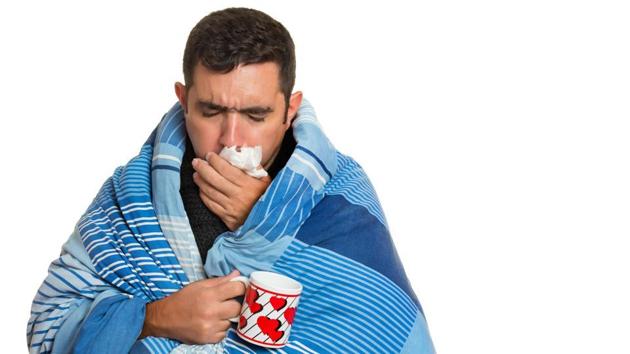
Viral is in the city’s air and that is evident from a visit to the city hospitals. People of all age groups suffering from moderate to high fever, sore throat, cough, runny nose, body ache are part of the long queues in OPDs. Doctors say that spike in viral cases is seen every year with changing season.
“In 30% to 40% cases the cause is respiratory syncytial virus (RSV) virus and in 15% to 20% cases, the cause is influenza virus. These two are most common this season. Unlike last year, we haven’t seen cases of H1N1 in winters, except one,” said Dr Sanjay Verma, additional professor, paediatrics, PGIMER.
He said every year in November, when the season changes, there is an increase in the number of viral cases in the hospitals. A senior doctor from Government Multi Speciality Hospital, Sector 16 (GMSH-16) said, “With the onset of winters, there is an increase by 20% in the daily OPD of such cases reporting influenza like illness.”
He said the number will start declining as the winters have become intense and virus does not survive in extreme temperatures. He said depending on the virus, the fever can be moderate or high, which usually takes three to five days to recover. The virus has its cycle of seven days. Dr Sanjay Verma said people must not take antibiotics on their own as they don’t know about the dosage and it leads to resistance.
“In case of viral, people should avoid going to crowded places and infected children should not be sent to schools. People should wear mask for the first three days of infection,” he said. He added, “One can take paracetamol for fever and some medicine for cough but they must not try to take anti-biotic without doctor’s prescription.” The doctor said that in 80%-90% viral cases do not need antibiotics.
{{/usCountry}}“In case of viral, people should avoid going to crowded places and infected children should not be sent to schools. People should wear mask for the first three days of infection,” he said. He added, “One can take paracetamol for fever and some medicine for cough but they must not try to take anti-biotic without doctor’s prescription.” The doctor said that in 80%-90% viral cases do not need antibiotics.
{{/usCountry}}Dr Verma said children, elderly people and those suffering from chronic illness and with low immunity are more vulnerable to getting infection, so they should take extra precaution.
A senior doctor from a government hospital said, “The best solution is to adopt preventive measures, like people should avoid going to crowded places, should wear proper clothes, should be properly covered when they go out, should consume plenty of lukewarm water and most importantly follow cough etiquette and wash hands regularly.”