Considered Jharkhand’s industrial and commercial capital, Jamshedpur on an average generates soiled and mutilated currency notes worth around `500 crore a year. The city also frequently requires coins and requisitions an additional supply of coins worth `15 crore a year, according to rough estimates by business organisations.
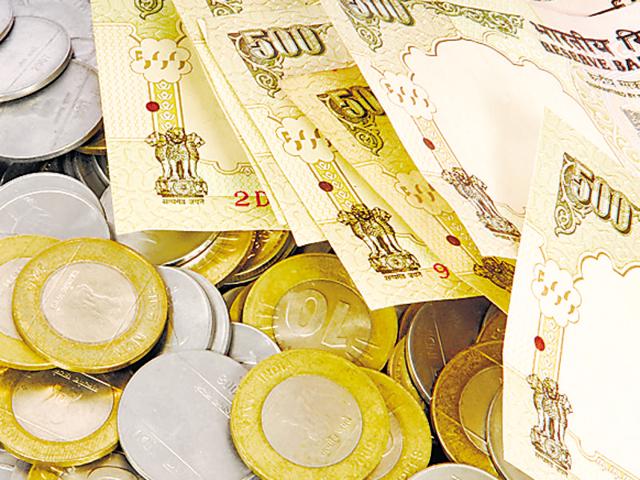
An indication to this came to fore after the State Bank of India (SBI) sent soiled notes worth `190 crore back to Reserve Bank of India (Patna) to be destroyed and asked for fresh notes to be issued.
Bank officials in BoI said they sent soiled notes worth `32 crore to RBI last week. “We generally send soiled notes back twice a year or whenever it crosses the `30-50 crore mark. This time, most of the soiled notes were of `10, `100 and `500 denominations. It takes about one to one and half months for replacement of fresh notes to come,” said an officer with the currency chest, not authorised to speak to media.
Jamshedpur has RBI currency chests in six banks — SBI, BoI, Central Bank of India (CBI), Bank of Baroda (BoB), Canara Bank and Punjab National Bank (PNB) — each generating about `30-50 crore of soiled notes twice a year. SBI with two chests, however, has the highest pile up of soiled notes in a year.
Suresh Sonthalia, president of Singhbhum Chamber of Commerce and Industry (SCCI), said the main reason for such huge amount of currency note getting soiled was the city’s status of industrial city along with neighbouring industrial area in Adityapur and the mining hubs of uranium, copper etc in East Singhbhum district and iron ore and manganese in West Singhbhum.
{{/usCountry}}Suresh Sonthalia, president of Singhbhum Chamber of Commerce and Industry (SCCI), said the main reason for such huge amount of currency note getting soiled was the city’s status of industrial city along with neighbouring industrial area in Adityapur and the mining hubs of uranium, copper etc in East Singhbhum district and iron ore and manganese in West Singhbhum.
{{/usCountry}}“With huge volume of transport business and labour-driven commercial activities, currency notes here change hands frequently and are also subject to mishandling. They should also hold awareness campaigns on how to best handle the notes,” said Sonthalia.
Sonthalia estimated that around 30-40 people also ran the business of replacing soiled notes for fresh notes and providing changes (coins) at a commission of 4-5%.
“SCCI alone had distributed changes worth Rs 50 lakh last year in the city, which requires consignments of changes worth Rs 15 crore a year. Banks should provide coins equally and easily to everyone and restrain from pick and choose. Not only do we deposit the money in advance for coins but also pay service tax of 12.50%. But don’t charge a single paisa for providing coins,” he said.
In the 2014-15 fiscal, around 15.1 billion pieces of soiled banknotes were disposed of, against a target of 17.1 billion pieces, while 14.2 billion pieces disposed off during 2013-14, as per the RBI 2014-15 annual report. It stated that the total supply of banknotes was raised to 23.7 billion in 2014-15 from 20.9 billion pieces (an increase of 13.1%) in 2013-14 while the supply of coins was also increased by 3.0% in 2014- 15 as compared to 11.6 per cent in 2013-14.
Under its ‘clean-note’ policy, the RBI runs an education campaign on the preferred way to handle notes – no stapling, writing, excessive folding, the timely removal of soiled notes, use of currency verification and processing systems and sorting machines and exchange facility for torn, mutilated or defective notes at all branches of commercial banks.