E-Paper



Bengaluru homebuyers drag builder to KRERA over missing rooftop pool; Authority orders resolution via joint consensus
Bengaluru home buyers move KRERA over unbuilt rooftop pool, non-functional STP; Authority orders joint meeting, seeks third-party report on STP status

 Prefer HTon Google


In a relief for Bengaluru homebuyers, the Karnataka Real Estate Regulatory Authority (KRERA) has directed Ishtika Homes Pvt Ltd to hold a joint meeting with allottees to decide the fate of the promised rooftop swimming pool. As per the order, the developer must either construct the pool or refund its cost based on the majority consensus.
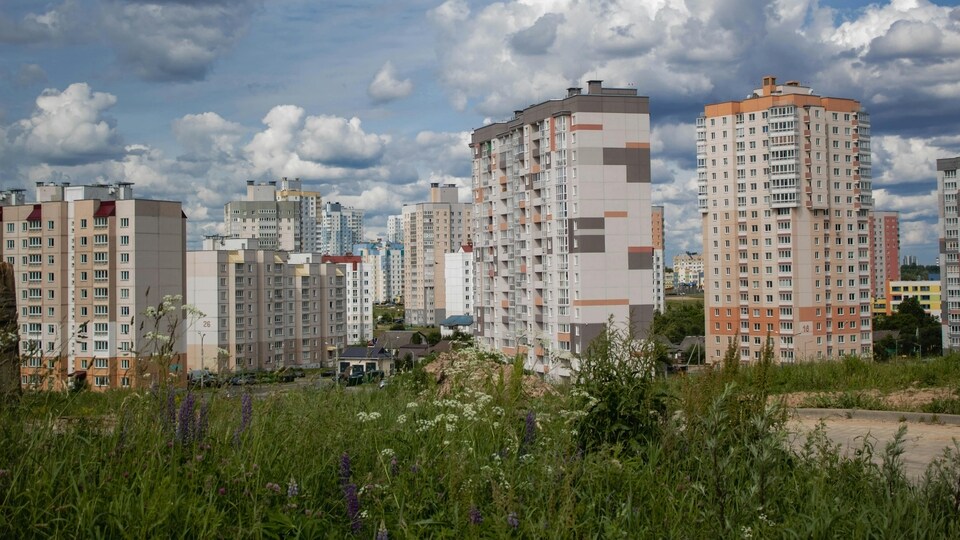
The amenity, initially committed at the time of sale, was not constructed due to differing opinions among buyers. KRERA’s order states that the developer, Ishtika Homes Pvt Ltd, must either proceed with construction or refund the pool cost based on the majority consensus.
"The developer is directed to conduct a joint meeting of allottees and document the majority consensus regarding the construction of a rooftop swimming pool or refund of the swimming pool amount," the order said.
The complaint was filed by 21 homebuyers after several amenities, including the rooftop pool and sewage treatment plant (STP), were left incomplete.
Also Read: TCS layoffs: Will job cuts in the tech sector trigger a real estate downturn in Bengaluru?
The case
In this case, the project Agastya, located in north Bengaluru, comprises 60 residential units, and most units have been handed over to the buyers.
The homebuyers have said that the builder failed to provide several key facilities that were either mentioned in their sale agreements or shown in the project brochure.
"These amenities and infrastructure commitments, according to the complainants, were not ancillary or optional, but material in nature, influencing the consideration paid and expectations of quality of life post-possession," the order mentioned.
One major issue raised is the lack of water supply from the Bangalore Water Supply and Sewerage Board (BWSSB). Buyers claim that the builder collected deposits from them with the assurance that a BWSSB connection would be arranged. However, no timeline has been shared, and there has been no visible progress. As a result, residents are forced to rely only on borewell water.
The builder installed a water treatment plant to deal with the hardness and potential health risks of borewell water. However, residents allege that it has either never worked properly or doesn’t function at all.
"The complainants have submitted that poor water quality has led to recurring health issues among residents, particularly children, which raises concerns not only of contractual deficiency but also public health," KRERA noted.
The list of several promised amenities includes the swimming pool, gym, yoga hall, intercom, and kids' play area. "The homebuyers have also raised concerns over delayed and inaccurate formation of the residents' association and demanded compensation for the inconvenience, losses, and continued non-compliance by the promoter," KRERA noted.
A list of questions has been sent to the developer. The story will be updated once a response is received.
KRERA findings
The order noted that although possession had been handed over, the rooftop pool was never built due to "differing opinions among allottees." However, the developer expressed willingness to either construct the facility or issue refunds based on the collective decision of homeowners. In response, the Authority has directed the promoter to “conduct a joint meeting of allottees within 30 days from the date of this order and document the consensus regarding construction or refund of the swimming pool amount.”
Regarding other amenities, such as the gym and yoga hall, the Authority observed that these have been included within a multipurpose clubhouse. “The Respondent has provided a multipurpose clubhouse with gym and yoga facilities integrated into the available space,” the order stated. Since these were not contractually specified as standalone amenities, and basic facilities have been delivered, the Authority found no grounds for further direction.
While the developer claimed that the project has an operational BWSSB (Cauvery water) connection and that any malfunctions were due to poor maintenance by residents, the Authority rejected the claims. “The respondent’s argument that the issues are due to residents' failure to maintain the system is not tenable,” the order said, noting that the responsibility of proving functionality lies with the promoter, especially for common utilities promised under the sanctioned plan.
The promoter contended the STP had become non-functional due to a lack of upkeep, but it is now working. However, the Authority noted that “no documentary evidence has been submitted to support the claim that the STP or the power backup system is currently functional.”
As a result, the Authority has directed the developer to submit a third-party certified report from a qualified engineer or environmental consultant.
KRERA also directed the developer to provide a written assurance within 10 days, clarifying that the formation and registration of the residents' association will not interfere with any ongoing grievances.
“The promoter is required to submit a signed memo or undertaking stating that the association's registration shall not prejudice or extinguish any claims, complaints, or grievances that are currently pending before this Authority or any other legal forum,” the Authority noted.