E-Paper



Karnataka RERA pulls up Bengaluru real estate developer for not constructing compound wall, misusing undivided share
Bengaluru real estate: KRERA said that a compound wall is not just an aesthetic feature but a crucial element defining the legal boundary of a project

 Prefer HTon Google


The Karnataka Real Estate Regulatory Authority (KRERA) has pulled up Bengaluru-based developer, DC Hi Rise LLP, for failing to construct a compound wall and for attempting to reassign a portion of the project’s Undivided Share (UDS) to a different phase. In its order, KRERA stressed that a compound wall is not just an aesthetic feature but a crucial element defining the legal boundary and ensuring the security of a project.
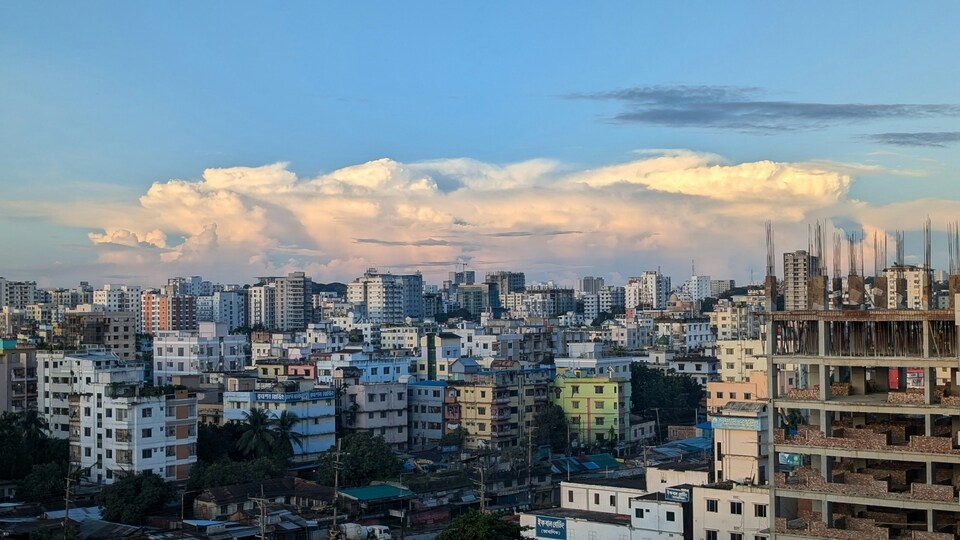
The issue came to light after approximately 50 homebuyers from the DC Capitol in Bengaluru project filed a complaint, alleging that the developer planned to use the internal driveway, part of Phase 1 of the UDS, as part of a future Phase 2 expansion.
"The developer shall construct the compound wall along the southern and western boundaries of the project as per the original sanctioned layout. The developer is also restrained from using or repurposing the internal driveway and UDS to Phase 1," the order mentioned.
KRERA's order emphasised that a compound wall is not merely aesthetic but a fundamental part of a project’s legal boundary and security.
Also Read: Karnataka has over 2630 delayed real estate projects: KRERA
The case
In this case, over 50 buyers, also the allottees of the project in Panathur, told KRERA that despite repeated assurances, the compound wall on the southern side of the project has not been constructed.
"Instead, the developer issued communications suggesting conversion of the internal driveway, which is part of Phase 1 UDS as a common access point for the upcoming development of Phase 2 (of the project)," the buyers alleged.
What is UDS? The cost of an apartment comprises two key components - the cost of the structure and the cost of the land. In a residential complex, the portion of land attributed to each apartment owner is known as the Undivided Share (UDS). This refers to the share of land jointly held by all flat owners in the building, without any specific or defined boundaries. Every apartment built on the plot is entitled to a proportionate share of the land, even though individual ownership of a specific portion of the land is not demarcated
The swimming pool promised in the brochure has not been constructed yet. The buyers told KRERA that this omission "constitutes a contractual obligation and denies allottees the full enjoyment of the common amenities. "
HT.com has sent a list of queries to KRERA and the real estate developer. The copy will be updated if a response is received.
Also Read: Karnataka RERA: Projects that applied for OC before RERA came into effect need not be registered
KRERA finding
The authority noted that the compound walls, or structural components, were part of the sanction plan submitted by the developer at the time of RERA registration and are critical to defining the project's legal boundaries.
"The authority notes that Section 14 of the RERA Act mandates the developer to adhere to the sanction plan and prohibits any deviation without the two-thirds consent of the allottees. The absence of the compound wall exposes the residential premises to unauthorised access and poses a security concern," the order said.
KRERA further said that compound walls are not just 'cosmetic' but essential to the project's structural and legal integrity. It ordered the developer to construct the compound wall within three months.
"This Authority holds that the respondent is not entitled to repurpose the UDS or driveway meant for Phase 1 allottees for any other development phase, without the lawful consent of the allottees and revised approvals from the competent planning authority. The developer is henceforth restrained from using or granting access to any portion of the Phase I infrastructure for Phase 2 or other subsequent developments," the order said.