
 E-Paper



Cabinet clears Lucknow Metro Phase-1B, new link set to boost Old City real estate markets
Lucknow Metro expansion: The new 11.165-km stretch is set to boost property values in established markets, marking a significant development for urban mobility

 Prefer HTon Google


The Union Cabinet, chaired by Prime Minister Narendra Modi, has approved Phase-1B of the Lucknow Metro Rail Project in Uttar Pradesh. The 11.165-km stretch will feature 12 stations, seven underground and five elevated, and connect key areas of Old Lucknow.
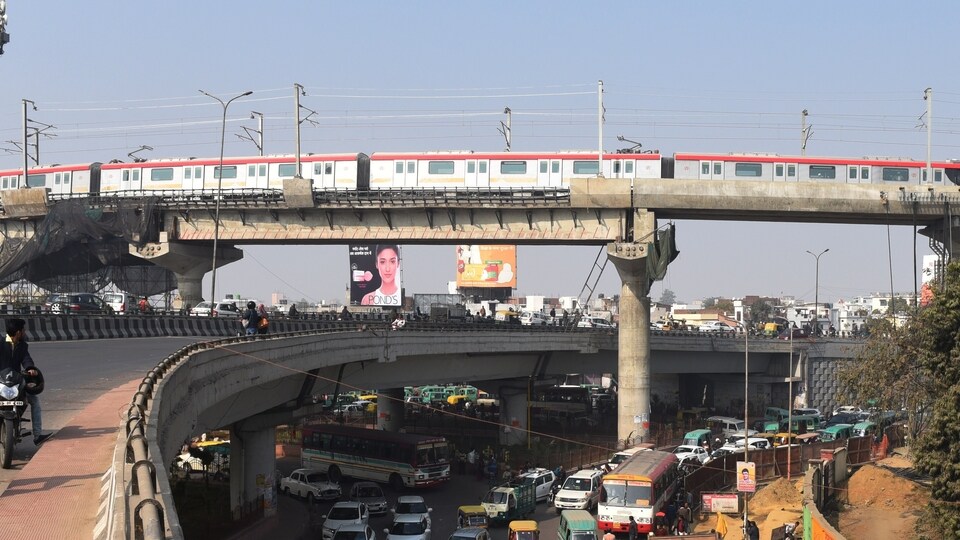
Real estate experts say the new link is expected to boost property values, especially in the city’s established and densely populated markets. Once completed, Lucknow’s operational metro network will extend to 34 km.
To be built at an estimated cost of ₹5,801 crore, the network will link some of the city's oldest and busiest neighbourhoods that currently lack fast and reliable transport. It will cut through Old Lucknow, connecting commercial centres like Aminabad, Yahiyaganj, Pandeyganj, and Chowk, as well as King George's Medical University, major tourist sites such as Bara Imambara, Chota Imambara, Bhool Bhulaiya, and Rumi Darwaza, and areas famous for the city's traditional cuisine.
In a statement, the government said that Phase-1B of the Lucknow Metro Rail Project represents a significant advancement in the city's infrastructure development, marking a major expansion of the Metro rail network in the state capital.
The new corridor will introduce approximately 11.165 km of new Metro lines with 12 stations, seven underground and five elevated, improving public transportation in the oldest and the most densely-populated areas of the city, which currently lack efficient connectivity, the statement said.
"By bridging these vital areas with the Metro network, Phase-1B will not only enhance connectivity but also stimulate economic activity, tourism, and ease urban mobility for both residents and visitors," it said.
This is what real estate experts have to say
“The approval of Phase-1B of the Lucknow Metro Rail Project, connecting key zones of Old Lucknow, is poised to positively impact property prices, particularly in these established and often dense markets. Localities such as Aminabad, Yahiyaganj, Pandeyganj, and Chowk may have limited scope for new land development, but the promise of faster travel and better connectivity often acts as a strong driver of price appreciation,” said Ravi Nirwal, sales director and principal partner, Square Yards.
Shorter commute times and improved access to commercial hubs, healthcare facilities, and tourist attractions are likely to make these neighbourhoods more appealing to both residents and businesses. Even in markets with constrained supply, enhanced infrastructure tends to spark fresh demand, breathing new life into the area’s commercial and social environment. Over time, this metro expansion could prompt a notable revaluation of properties across these localities, he said.
The Lucknow Metro’s expansion into the heart of Old Lucknow marks a pivotal moment for the city’s urban fabric. By linking some of its most congested yet culturally rich neighborhoods with modern, efficient transit, the project is poised to significantly elevate real estate values in these micro-markets, said Mudassir Zaidi, executive director- North, Knight Frank India.
History shows that such infrastructure interventions not only enhance accessibility but also trigger a cycle of urban renewal, from the redevelopment of aging buildings to the creation of organized trading hubs and modern commercial spaces. This transformation will inject fresh economic vitality into the area, ensuring Old Lucknow’s heritage coexists with progressive, sustainable growth, he added.


