E-Paper



India Design 2025: Here's how sustainable design can help extend redevelopment timelines and create homes built to last
Architects recommend sustainable systems like mechanical ventilation, wind power, and solar energy to boost a building's longevity.

 Prefer HTon Google


In a city like Mumbai, where buildings are often redeveloped every 30 years, the question arises about what makes a design timeless. The answer lies in creating spaces built to last 50-60 years, not just for today but for future generations. Architects believe incorporating sustainable practices can significantly extend a building's life, reducing the need for constant redevelopment.
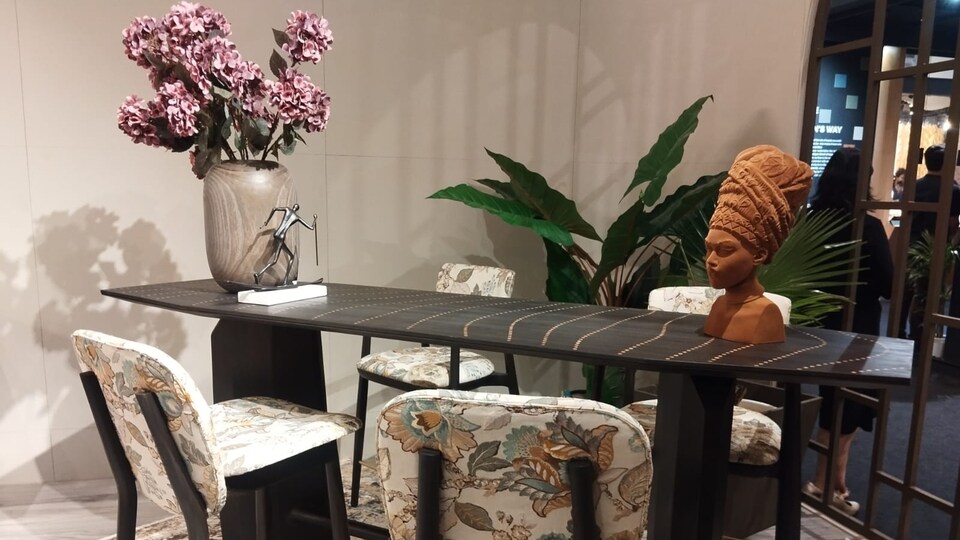
Architects often find themselves caught in a paradox—carefully selecting materials for long-lasting structures, only to see homes demolished for redevelopment every 20-25 years. "How do we design homes today that can stand the test of generations? This is the conversation we need to have when discussing design and sustainability," said architect Aparna Kaushik at the India Design ID 2025 event in Delhi.
Kalyani Chawla, founder of a luxury home decor brand, reflects on her childhood in Kolkata, noting that many of the homes she grew up in have since been razed.
Redevelopment projects breathe new life into ageing urban areas by upgrading infrastructure, improving housing quality, and addressing blight and outdated designs. This revitalization fosters more vibrant, sustainable communities and can increase property values.
"Design should have a lifespan of 30-40 years or more; only then can we call it good design. Today, people are not designing with future generations in mind," said renowned architect Nozer Wadia.
How long can a building last before requiring redevelopment?
Sonali Bhagwati, an architect with over 30 years of experience, believes that any architectural project should be designed to last 50-60 years. However, due to changing lifestyles, market dynamics, social conditions, and technological advances, the lifecycle of materials has shortened, necessitating the repurposing of buildings, she told HT.com.
In Mumbai, any building that is more than 30 years old or is declared as dilapidated by the Municipal Corporation of Greater Mumbai (MCGM), Tariq Ahmed, CEO of West Prestige Group, said.
Ahmed added that buildings constructed in the '70s or earlier can often undergo repair stages, but safety concerns, such as visible cracks, leaning walls, or compromised foundations, often lead to redevelopment.
Environmental conditions, along with the maintenance and upkeep of the property, also play a critical role in extending a building's lifespan.
Can sustainable design delay the timeline for redevelopment projects?
Sonali Bhagwati recalled working on a building design for Adobe Systems in 1999-2000. "We worked on the extension of the project a few years later, and in 2010-11, the building received LEED certification—not because we did anything specific, but because we followed sustainable design and engineering approaches."
Architects believe that incorporating significant design changes and sustainable practices can significantly extend the lifespan of buildings, reducing the need for redevelopment. Ninad Pardeshi, Principal Architect and CEO of ELM Designs, emphasized that by embracing sustainable design, homeowners and builders can create structures that are not only environmentally friendly but also more durable, adaptable, and long-lasting.
What can be done to make real estate more durable over time?
Architects suggest using durable, low-maintenance materials like terracotta, a natural material known for withstanding environmental stresses. "Incorporating mechanical ventilation, wind power, and solar energy can reduce strain on building systems, minimizing the need for frequent replacements," said Ninad Pardeshi, Principal Architect and CEO of ELM Designs. "Modular design elements and flexible layouts also enable easier modifications and updates, reducing the need for major renovations."
Architects recommend durable materials for flooring, such as porcelain tile, luxury vinyl plank, natural stone, or engineered hardwood, instead of softwoods or carpets. Open floor plans also reduce the need for future renovations by eliminating unnecessary partitions.
To ensure a timeless aesthetic, Pardeshi advises avoiding trendy styles that quickly fall out of fashion. Classic designs tend to endure. He adds that creating multi-functional rooms and furniture that can adapt to changing needs ensures flexibility and long-term value.