E-Paper



India Design ID 2025: Balconies make a comeback, customization of space and sustainability define modern luxury living
Architects say balconies, once considered a luxury, are making a comeback; customised spaces and neutral off-white tones are expected to dominate 2025

 Prefer HTon Google


Designers are redefining modern luxury living, shifting the focus from wide, compact layouts to spacious, well-lit, and highly functional areas. Today, luxury is defined by the ability to personalize one’s home, making customization a key feature for discerning buyers. For example, many high-end apartments are now designed with smaller, more efficient wardrobe spaces. Once considered a luxury, balconies are making a strong comeback across Indian cities, offering residents a private outdoor retreat.
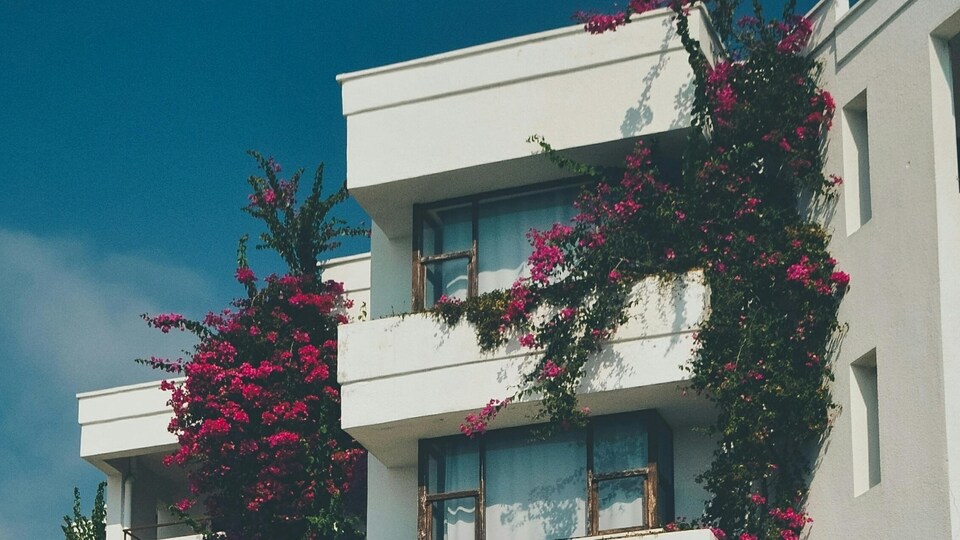
Regarding aesthetics, neutral tones like off-white are trending, creating a clean, sophisticated atmosphere. Alongside these design innovations, adopting sustainability principles have become a critical factor in real estate development, with experts emphasizing that sustainability is no longer optional but essential. This blend of personalized luxury and environmental responsibility is shaping the future of real estate in India, said design experts on the sidelines of the 13th edition of India Design ID 2025, being held in Delhi from February 20 to 23. The event provides an interactive platform to explore architecture, design, and urban planning from India and beyond.
Here are the top luxury trends expected to dominate in 2025.
1.Height, light and space
Akshat Bhatt, an architect and founder of Architecture Discipline, a New Delhi-based multidisciplinary architecture practice, said that the modern trend in luxury living favors well-lit, well-serviced spaces over short and wide layouts. "Homeowners today prefer designated areas for both users and services. This means they want to separate their personal spaces from functional areas such as electro-mechanical services (like air conditioning units) and staff quarters," he said.
2. Smart home technology
Architects say modern luxury homes incorporate artificial intelligence (AI)-powered security, climate control, smart lighting, and IoT integration for seamless automation.
"Imagine stepping into a home that knows you—adjusting the temperature, lighting, and even your favourite music before you say a word. AI-driven smart living will make every moment effortless, with holographic assistants and robotic furniture adapting to your needs," said Ninad Pardeshi, Chief Thinker at ELM Designs, a Mumbai-based luxury architectural and interior design firm.
Also Read: 2025 Real Estate Playbook For Homebuyers: How to Buy Right in a Hot Market
3. Return of the balconies
Architects say that in 2025, the ultimate luxury statement is the ability to choose specific features for one’s home. "We are seeing balconies making a comeback as a luxury element, especially in cities like Mumbai. However, the decision to include a balcony has traditionally been more of a planning logistics issue. Today, homeowners value the ability to step outside and have their personal space beyond the concrete walls of their home," said architect Akshat Bhatt.
Experts add that many homebuyers are now willing to pay a premium to include a balcony in their apartments.
Pardeshi said that in urban settings such as Mumbai, balconies have become prime socializing spots, especially among the youth.
"Vertical gardens, climbers, and potted plants make the space lush and refreshing, creating a natural retreat. This offers a blend of nature and urban living. It also offers a great escape within the home for relaxation.
4. White, off-white and neutral colours
Designers say that colours like off-white and neutrals create a sense of clean sophistication and are highly sought after in luxury real estate. "These shades can be easily layered with rugs or canvases to suit personal preferences. Bold, contrasting colours have never been a preferred choice for luxury real estate," said architect Akshat Bhatt.
5. Customisation
Architects say that luxury today is defined by the ability to customize one’s home, making it one of the most sought-after features. "For instance, many luxury apartments now have smaller wardrobe spaces,” said Bhatt.
6. Sustainable design
With urban landscapes rapidly transforming across cities, adopting sustainability principles in real estate development is no longer optional but essential, experts add.
Bhatt believes that design can be rationalized and made more affordable. "The fundamental responsibility of design is to foster a sense of well-being, create meaningful connections, and shape habitats that support mental and physical health. We are already witnessing a democratization of space structuring and programming, and we are working towards finding the right solutions for the next 50 years," he explained.