
 E-Paper



Meteor explodes over US’ Vermont, creates a bright fireball
According to the National Aeronautics and Space Administration’s (Nasa’s) Meteor Watch, the explosive passage of the meteor through the atmosphere released about 440 pounds (200 kilograms) of TNT

 Prefer HTon Google


A brightly-lit meteor was seen streaking through the night sky in the US state of Vermont on Sunday. Vermont was not the only place to witness the meteor as multiple witnesses in New England and Canada also reported that they saw the meteor.
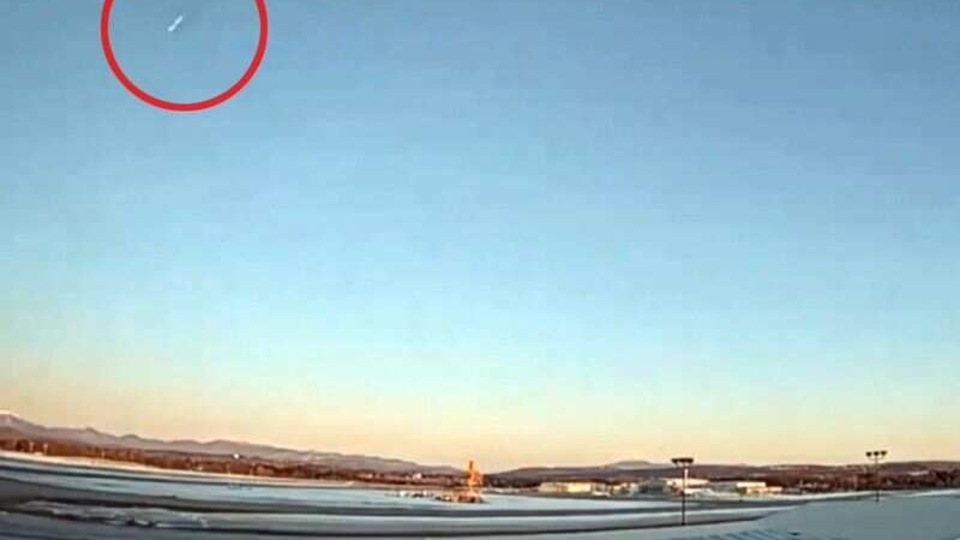
According to the National Aeronautics and Space Administration’s (Nasa’s) Meteor Watch, the explosive passage of the meteor through the atmosphere released about 440 pounds (200 kilograms) of TNT, which thereby suggests that the meteor is likely to weigh around 10 pounds (4.5kg) and could be 6 inches (15 centimetres) in diameter. When the space rock entered into the atmosphere, it was at a speed of about 42,000mph (68,000kph).
“The space rock fragmented violently, producing a pressure wave that rattled buildings and generated the sound heard by those near the trajectory. Such a pressure wave can also couple into the ground, causing minor “tremors” that can be picked up by seismic instruments in the area; the wave itself can be detected by infrasound (low frequency sound that can travel great distances) stations,” Nasa wrote on Facebook after the meteor was seen.
What was the meteor’s trajectory?
Nasa estimated that the meteor initially appeared 52 miles or 84 kilometres over Mount Mansfield State, east of Burlington, after which it travelled through the sky for 33 miles (53km) northeast, heading towards the Canadian border. The meteor eventually disappeared 33 miles (53km) over the ground at the south of Newport. Estimates by Nasa were based on witness accounts.
Why did the meteor create a loud booming sound?
As per Nasa, the meteor created a loud boom as well as a vibration after it got fractured due to the atmospheric pressure. This happened because when the meteor was speeding through the atmosphere at a very high speed, pressure built up in front of it while there was a vacuum behind it which resulted in the meteor exploding, creating the loud booming sound and then eventually getting broken into pieces and creating a meteor shower.


