Do not yet consider making wolves your pet at home but basic cooperation skills are shared by both dogs and wolves, and this ability was present in a common ‘dog-wolf’ ancestor which was not lost during domestication, say researchers.
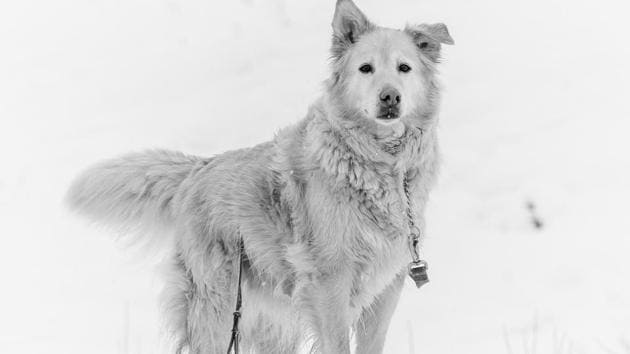
A team of researchers from Max Planck Institute for the Science of Human History in Germany found that dogs and wolves are equally good at cooperating with partners to obtain a reward.
When tested in same-species pairs, dogs and wolves proved equally successful and efficient at solving a given problem.
It is estimated that dogs were domesticated as much as 30,000 - 40,000 years ago, and over that span of time, they have undergone many changes from their wild counterparts, wolves.
“Dogs were not outperformed by wolves in coordinating their actions, in the frequency of success or in how long the task took,” explains Juliane Brauer, lead author of the study and head of the DogStudies group at the institute.
“This is somewhat surprising, as it contradicts recent findings by other researchers related to more complex cooperation tasks performed by dogs and wolves”.
{{/usCountry}}“This is somewhat surprising, as it contradicts recent findings by other researchers related to more complex cooperation tasks performed by dogs and wolves”.
{{/usCountry}}In a study published in the Journal of Comparative Psychology, researchers tested dogs and wolves for the ability to coordinate their actions with a partner of the same species to obtain rewards.
In different set of tests, the team found that dogs and wolves performed equally well on the task, suggesting that this ability was present prior to dogs’ domestication in a common ancestor.
The researchers hypothesize that, since dogs have been specifically selected for their ability and willingness to cooperate with humans, they might have an even higher success rate when humans are the cooperation partner.
The researchers point out that, although the kind of coordination shown in the present study may rely on more simple mechanisms than full, conscious cooperation, it can still inform us about how cooperative behaviour might have changed - or not - during the domestication process.
“Our results suggest that the abilities needed to coordinate actions were already present in the dog-wolf ancestor,” said Brauer.
In future studies, it would be interesting to focus on the question of how exactly factors like social dynamics, living conditions, the type of task and maybe also breed differences influence the cooperative behaviour of dogs and wolves, the authors wrote.
(This story has been published from a wire agency feed without modifications to the text. Only the headline has been changed.)
Follow more stories on Facebook and Twitter
Catch your daily dose of Fashion, Taylor Swift, Health, Festivals, Travel, Relationship, Recipe and all the other Latest Lifestyle News on Hindustan Times Website and APPs.
Catch your daily dose of Fashion, Taylor Swift, Health, Festivals, Travel, Relationship, Recipe and all the other Latest Lifestyle News on Hindustan Times Website and APPs.