India's Shilpa K Shyla experienced a dramatic turnaround at the Commonwealth Games 2026 after initially finishing outside the medals in the women's shot put F57 final, only to be upgraded to bronze following a successful protest by the Indian contingent.
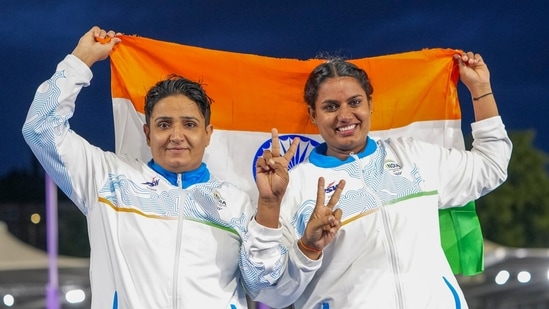
Shilpa registered a personal-best throw of 7.26m in Glasgow and was sitting in the medal positions before Nigeria's Eucharia Iyiazi entered the equation. Iyiazi, the defending Commonwealth Games champion and a multiple Paralympic medallist, produced an 8.19m effort that was initially declared valid. That mark moved Iyiazi into third place and pushed Shilpa down to fourth, apparently ending the Indian's hopes of securing a medal on her Commonwealth Games debut.
However, the standings did not remain that way for long. India lodged a formal protest against Iyiazi's 8.19m attempt, prompting officials to review the Nigerian athlete's throw. Following the review, the decision was overturned, and the effort was declared a foul.
Crucially, the 8.19m attempt had been Iyiazi's only throw that was initially considered valid. Once it was removed from her record, she was left without a valid mark in the competition. That automatically moved Shilpa's 7.26m effort back into third place and upgraded the Indian from fourth to the bronze medal position.
{{/usCountry}}Crucially, the 8.19m attempt had been Iyiazi's only throw that was initially considered valid. Once it was removed from her record, she was left without a valid mark in the competition. That automatically moved Shilpa's 7.26m effort back into third place and upgraded the Indian from fourth to the bronze medal position.
{{/usCountry}}Indian protest changes the podium
The revised result completed a double podium finish for India in the event. Sharmila Dhankar had already produced a dominant performance to win gold with a season-best effort of 9.81m, while Ghana's Zinabu Issah took silver with 8.65m. Shilpa's 7.26m personal best then became the third-best valid mark following the successful Indian protest.
The precise infringement committed by Iyiazi during the 8.19m attempt has not been publicly detailed by officials.
F57 is a seated throwing classification, and athletes are subject to specific rules governing their position on the throwing frame throughout an attempt, alongside the standard rules governing valid throws. However, without an official explanation identifying the infringement, it would be premature to attribute Iyiazi's foul to a particular technical violation.
Some reports described the Nigerian as having been "disqualified", although accounts detailing the protest said it was her 8.19m mark that was reviewed and subsequently adjudged a foul. Nigeria reportedly challenged the decision after India's successful protest, but Shilpa continued to be listed as the bronze medallist in the revised results.
For Shilpa, the dramatic reversal delivered a medal at her first Commonwealth Games after she had seemingly missed the podium by less than a metre. "This was my first time attending the games, and I am very happy. I cannot even describe how I feel," Shilpa said after securing the medal.
The Indian also thanked her coaches and support staff as well as the Indian and Karnataka governments for the assistance she received on her journey to Glasgow.
What initially appeared to be a fourth-place finish therefore turned into one of India's most unusual medals of the Games - Shilpa going from outside the podium to bronze after India's protest erased the throw that had knocked her out of the medal positions.