
 E-Paper



Spain's World Cup dynasty begins? Early look at the favourites, challengers and biggest questions for 2030
Four years is a long time in football. But if the 2030 World Cup began tomorrow, one thing would already be clear. It's Spain's tournament to lose

 Prefer HTon Google


It's not absurdly early to start talking about the next World Cup.
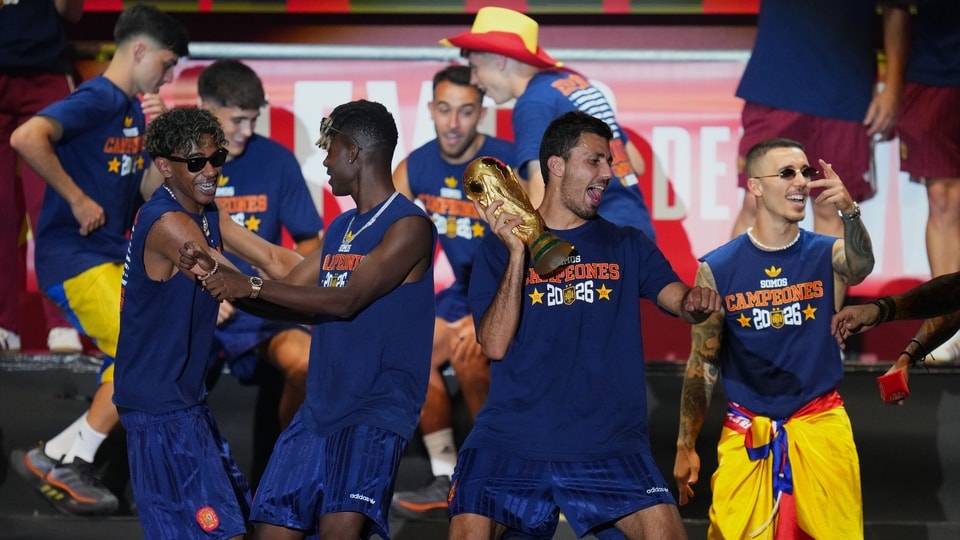
The 2026 edition has only just concluded. The hangover is still fresh and will likely linger until club football returns. But that is precisely what makes the World Cup special. It leaves behind questions, narratives and possibilities that naturally shift attention to the next edition.
FIFA president Gianni Infantino has already hinted at an even bigger tournament in 2030, potentially featuring 64 nations. The centenary World Cup will primarily be hosted by Morocco, Portugal and Spain, with Uruguay, Argentina and Paraguay staging commemorative matches to celebrate 100 years since the inaugural tournament.
Four years is a lifetime in football. Entire generations emerge, dynasties collapse and new powers rise. Predicting what will happen in 2030 would be foolish. Yet some questions are already impossible to ignore.
Can Spain defend their crown?
How many countries will host the 2030 World Cup?
The tournament will be jointly hosted by Morocco, Portugal and Spain, making it the first World Cup staged across two confederations and the first to visit North Africa.
To celebrate the tournament's centenary, FIFA has planned a symbolic return to its roots. Estadio Centenario in Montevideo, which hosted the 1930 final, will stage one of the opening matches, while Argentina and Paraguay will also host one game each in recognition of South America's historic role in launching the World Cup.
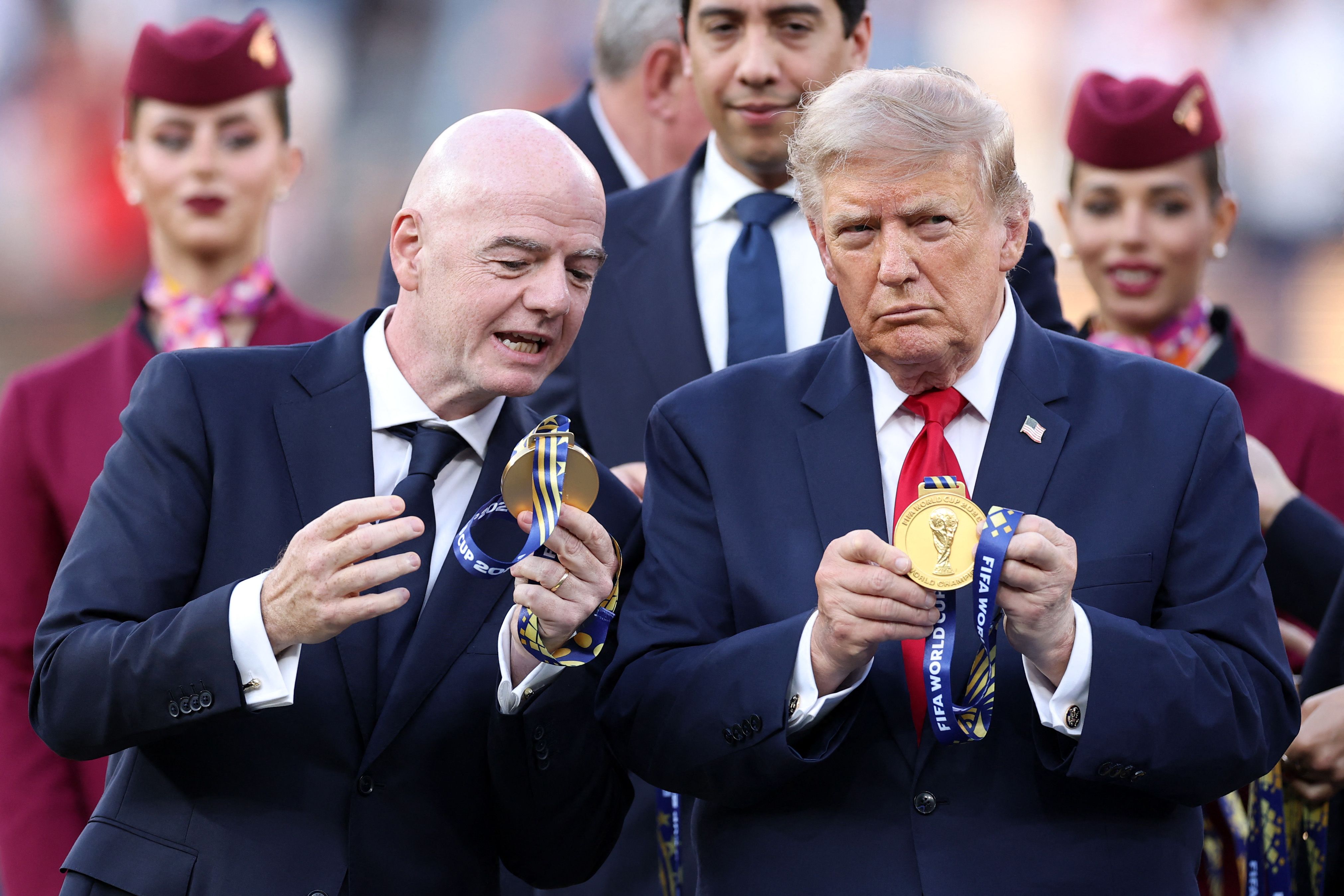
How many teams will participate?
The 2026 World Cup was expected by many to lose quality because of its expansion to 48 teams. Instead, it became the highest-scoring edition in history.
Now, FIFA is considering taking it one step further. Infantino revealed during the tournament that the possibility of a 64-team World Cup would be discussed after the competition.
"That's definitely an issue that will be examined and discussed in the relevant committees after this World Cup. When organising a World Cup, it's important to organise it for the whole world—not just Europe and South America—but effectively the entire world."
If approved, the expansion would open the door for even more debutants.
And if Cape Verde proved anything this summer, it's that newcomers can transform a World Cup rather than dilute it. The tournament debutants held eventual champions Spain to a goalless draw and then pushed Argentina into extra time in one of the competition's most memorable knockout matches.
A 64-team World Cup would only create more such stories.
Can Italy finally return?
The last time Italy appeared at a World Cup was in 2014.
They exited in the group stage, with that campaign remembered as much for Luis Suárez biting Giorgio Chiellini as for the football itself.
Since then, the four-time world champions have failed to qualify for three consecutive World Cups, becoming the only former champion to endure such a drought.
A possible expansion to 64 teams could finally offer Italy a route back onto football's biggest stage.
Who are the favourites?
Spain have made it impossible not to begin with them.
This is not a golden generation reaching its peak before fading away. It is arguably the youngest elite team in world football.
Luis de la Fuente now has another four years to refine an already outstanding squad.
Rodri will be 34, still capable of dictating games from midfield. Pau Cubarsí will only be 23 and likely among the world's finest centre-backs. Lamine Yamal will also be 23, entering what should be the prime years of a career that already looks destined for greatness.
If De la Fuente remains in charge and injuries stay away, Spain will begin the 2030 World Cup as favourites before a ball is kicked.
Who can stop Spain?
France appear best placed. Kylian Mbappé, Ousmane Dembélé, Désiré Doué and Bradley Barcola should all still be in their prime. More importantly, reports suggest Zinedine Zidane will replace Didier Deschamps after the 2026 World Cup.
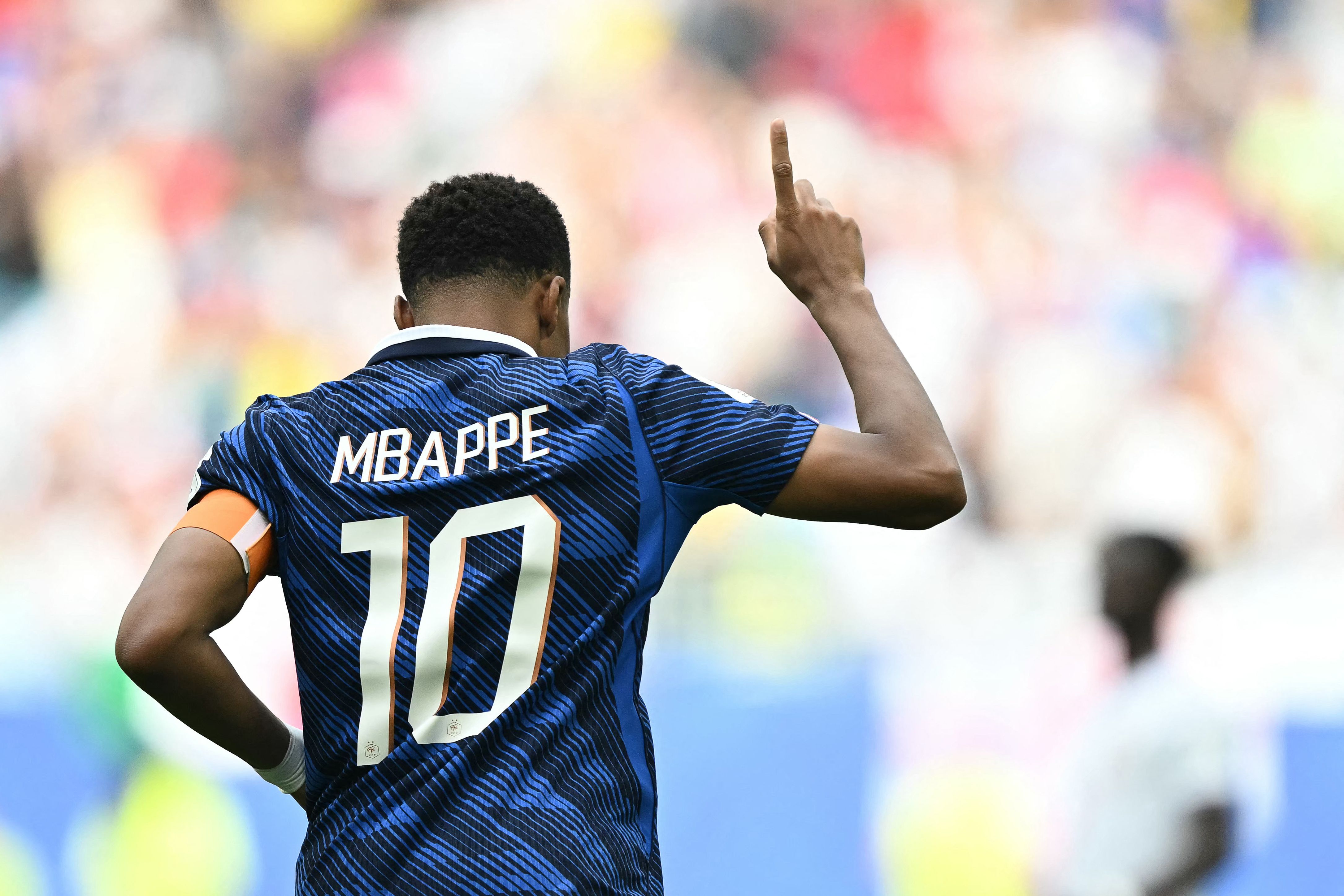
A World Cup winner as a player and one of club football's greatest-ever coaches, Zidane inheriting arguably the deepest attacking pool in international football makes France a frightening prospect.
England remain intriguing. Their young core should mature nicely, although whether Harry Kane remains part of the setup at 36 remains uncertain. Much will also depend on who succeeds Thomas Tuchel.
Germany are another fascinating wildcard. Should Jurgen Klopp eventually take charge, the four-time champions could finally emerge from a decade of disappointment and become genuine contenders once again.
Argentina, however, face the biggest rebuild. Lionel Messi is almost certain to be gone. Much of the squad that reached consecutive World Cup finals is expected to move on after the 2028 Copa América. Even Lionel Scaloni's future remains uncertain following the heartbreaking defeat to Spain.
The next cycle will belong to a new generation. Four years is a long time in football. But if the 2030 World Cup began tomorrow, one thing would already be clear. It's Spain's tournament to lose


