
 E-Paper



UEFA refuses to drop FIFA boycott threat despite Infantino's apology, insisting its conditions remain completely unmet
UEFA says its FIFA completion boycott still stands, arguing Infantino's apology and withdrawal of the sell-off plan fail to meet Europe's conditions in full.

 Prefer HTon Google


UEFA has maintained its threat to boycott FIFA competitions, insisting that Gianni Infantino’s withdrawal of his controversial World Cup sell-off proposal and subsequent apology have failed to satisfy the conditions imposed by Europe’s national associations.
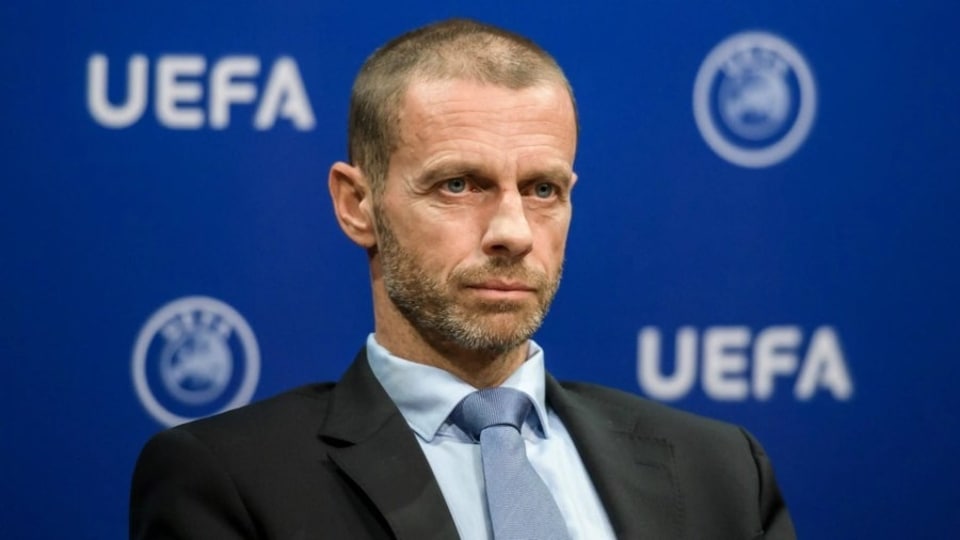
The European governing body issued a defiant response after FIFA’s senior leadership publicly reaffirmed its support for Infantino following crisis talks in Rabat on Wednesday. UEFA said the proposal’s abandonment addressed only part of its demands and that it had received no adequate guarantee against a similar attempt being made in the future.
“UEFA’s associations were very clear about the conditions attached to their non-participation in FIFA competitions,” a statement read. "First, the proposals to sell off the major competitions had to be withdrawn, and secondly, assurances have to be made that such attempts to disfigure the game in this way will never be made again.
“These conditions have not been met. In addition, UEFA made it abundantly clear in its statement on Saturday that it has lost confidence in Gianni Infantino’s presidency. That position holds. Yesterday’s announcement that some people employed by the Fifa president (and whose careers depend on his favour) agree with him changes nothing.”
The language represents an emphatic rejection of FIFA’s attempt to project unity after its emergency meeting in Morocco. FIFA had announced that secretary general Mattias Grafström and the members of its management board in attendance had reaffirmed their “full support” for Infantino.
The FIFA president also sent a written apology to the FIFA Council and the organisation’s 211 member associations, acknowledging that the process surrounding the abandoned proposal should have been handled differently. FIFA promised an internal review and said errors had been made in consultation, communication and the response after details of the project entered the public domain.
UEFA, however, has dismissed both the apology and the endorsement from Infantino’s senior executives. Its statement makes clear that the dispute has moved beyond the survival of the original proposal and developed into a wider confrontation over FIFA’s governance and Infantino’s authority.
First tournament at risk
All 55 UEFA member associations had previously agreed not to participate in FIFA competitions unless the sell-off proposal was completely abandoned and binding assurances were provided that FIFA’s competitions or governance would never again be opened to private ownership.
Although Infantino eventually withdrew the plan, UEFA believes FIFA’s response falls short of the second requirement. Europe’s governing body has also reiterated that it no longer has confidence in Infantino’s presidency, leaving the two organisations locked in an escalating institutional crisis.
The consequences could become tangible within weeks. Unless an agreement is reached before the Under-20 Women’s World Cup begins in Poland on September 5, the tournament would become the first FIFA event subjected to a UEFA-led boycott.
Six European teams, including hosts Poland, are due to participate in the 24-team competition. UEFA’s refusal to soften its position therefore raises the prospect of immediate disruption to a major youth tournament rather than leaving the boycott as a distant threat attached only to future senior World Cups.
The stand-off also intensifies the pressure surrounding Infantino’s presidency. What began as opposition to the proposed commercial restructuring of FIFA has become a direct challenge to his leadership, with European associations withdrawing support and UEFA signalling that an internal declaration of loyalty from FIFA officials will not restore confidence.
For now, FIFA has withdrawn the project and apologised for its handling. UEFA’s message is that neither action is enough — and that European teams remain prepared to stay away from FIFA competitions unless stronger guarantees are delivered.


