An app called “Are You Dead?” does not sound like something most people would download willingly. Yet, for a growing number of people who live alone, the bluntly named app is proving to be reassuring rather than disturbing. Its appeal lies not in clever design or advanced technology, but in how directly it addresses a fear many people rarely say out loud.
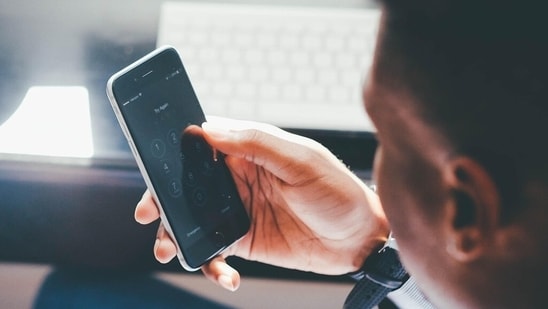
The app, known as Sileme in Chinese, launched in May and has already become the most downloaded paid app in China. It is aimed squarely at people who live by themselves and worry about what might happen if they fall sick, have an accident, or simply collapse with no one around to notice. For those without nearby family or daily social contact, the concern is not hypothetical. It is deeply personal.
There are no daily streaks, no tracking features…
The way the app works is deliberately simple. Every two days, users are expected to open the app and tap a large on-screen button to confirm that they are okay. There are no daily streaks, no tracking features, and no social feed. If the user fails to check in, the app sends a message to a pre-selected emergency contact, alerting them that something may be wrong. That is the entire product.
This simplicity is a big part of its appeal. Users do not have to think about it constantly, nor do they feel watched or monitored. The app acts as a quiet background safety net rather than an intrusive presence. It does not try to predict health issues or replace medical care. It only answers one question that matters in a crisis: is someone checking in on you at all.
{{/usCountry}}This simplicity is a big part of its appeal. Users do not have to think about it constantly, nor do they feel watched or monitored. The app acts as a quiet background safety net rather than an intrusive presence. It does not try to predict health issues or replace medical care. It only answers one question that matters in a crisis: is someone checking in on you at all.
{{/usCountry}}Initially offered for free, the app now costs 8 yuan, roughly $1.15. It is marketed as a safety companion for people living away from family, working in another city, or choosing to live alone by preference. Its rise also mirrors broader demographic shifts. Researchers estimate that China could have as many as 200 million one-person households by 2030, driven by an ageing population, urban migration, and younger people delaying or opting out of traditional family structures.
Still, the app’s name has been controversial. Many users say they are uncomfortable with the word “dead” and feel it gives the app an unnecessarily dark tone. Some have suggested alternative names such as “Are You Alive?” or something less confrontational. The creators have acknowledged the criticism and said they are considering a rebrand. They have also indicated plans to add features such as SMS alerts and basic in-app messaging, although they have stressed that the core experience will remain intentionally minimal.
Online reactions reflect this divide. Some users, particularly on forums like Reddit, have described the app as thoughtful and practical, especially for elderly people or those with known health issues. Others see it as a sobering symbol of modern life, where technology fills the gap left by shrinking communities and weaker social ties.
It is worth noting that Sileme is not entirely unique. Similar apps already exist in other markets. Snug, for example, asks older users to check in each morning and automatically alerts emergency services if they do not respond. What sets “Are You Dead?” apart is its stark honesty. It does not dress up the problem or pretend that living alone comes without risks.
For many users, the app’s value lies in how little it asks of them. One tap every couple of days buys peace of mind, not just for the person living alone, but for the friend or family member who might otherwise worry in silence. The name may be uncomfortable, but the fear it addresses is real. In that sense, the app feels less like a morbid joke and more like a quiet acknowledgment of how people live now.