
 E-Paper



Before the specs win you over, consider what your fitness smartwatch needs to do every day
The right fitness smartwatch is less about a long spec sheet and more about how well it fits your workouts, health needs and daily routine.


Our Picks

Research-Backed Choices
Every product we recommend is chosen through a combination of Primary Research and Secondary Research.

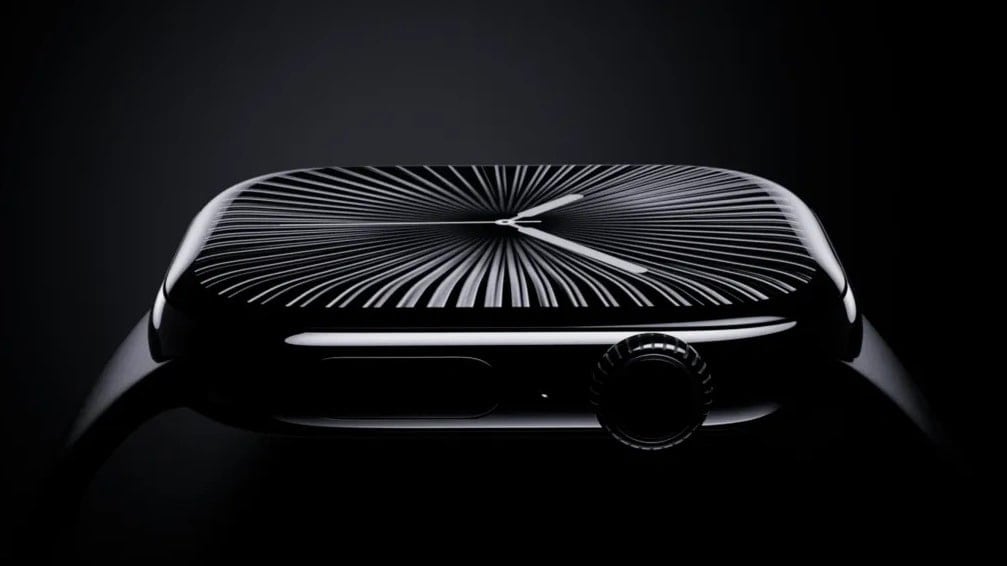
Fitness smartwatches have become common devices for people who want to track their activity and workouts. But choosing the right one is not simply about picking the model with the most features. Different watches are built with different users and routines in mind. Some are designed for everyday fitness, while others are aimed at people who train more regularly. The differences can also become important when you use the watch every day rather than only during workouts. This makes it useful to understand what each type of feature actually adds before making a purchase. This guide breaks down the key factors to consider when buying a fitness smartwatch, with a focus on features that can affect your experience over time.
Start with the kind of fitness tracking you need
The first step is to consider how you exercise. A smartwatch designed for runners does not necessarily need to be the same as one designed for someone who goes to the gym.
Most watches can count steps, track heart rate and record basic workouts. More advanced models add sleep tracking, recovery data and detailed training information. Some are built around running, cycling or triathlon, while others cover a wider range of activities.
A longer list of workout modes does not automatically make a watch better. What matters is whether it clearly tracks your regular activities. This can be more important than advanced features if the watch is used for everyday activity and regular workouts rather than detailed training sessions each week.
Look closely at health and heart-rate tracking
Once you know what you want to track, heart rate monitoring is one of the most important features to consider. It can be used during workouts, throughout the day and while you sleep.
Basic watches can record heart rate, while more advanced models offer high- and low-heart-rate alerts, ECG, blood oxygen monitoring and temperature sensing. Some also use this information to provide insights into sleep, recovery and training.
Features vary by model and region, so check what is actually available before buying.
Battery life can change the experience
Health tracking becomes less useful if you have to remove your watch every day to charge it. This is especially relevant if you want to track sleep or use the watch during long workouts.
Battery life varies between fitness-focused watches and mainstream smartwatches. Garmin and some Fitbit models generally last longer, whereas Apple, Google and Samsung watches tend to need more frequent charging in exchange for broader smartwatch features.
Charging speed matters too. A quick top-up can be useful if you forget to charge the watch before a workout.
Make sure it is comfortable enough to wear
A smart fitness watch needs to stay on your wrist for much of the day to provide consistent activity and health data. That makes comfort important when comparing models.
The size and weight should suit your wrist. A larger case can offer a larger display and longer battery life, but it may feel uncomfortable during sleep or exercise. A smaller watch may be easier to wear but could offer less screen space or shorter battery life.
The strap matters too. It should stay secure during workouts without becoming uncomfortable after several hours. Different case and strap sizes can make it easier to find a comfortable fit.
Check what it works with
The watch also needs to work properly with your smartphone. Apple Watch models are designed around the iPhone, while most Wear OS watches are intended for Android phones. Garmin and some Fitbit models work with both platforms.
Compatibility can also affect health features, which may require a specific phone or brand.
The companion app is equally important. This is where much of your workout, sleep and health data will be stored and presented. The data is more useful when the app makes it easy to understand.
GPS matters if you exercise outdoors
Built-in GPS is important if running, cycling, hiking or walking outdoors is part of your routine. It allows the watch to record your route, distance and pace without needing your phone.
Not all watches offer the same level of location tracking. Advanced models can support multiple satellite systems or dual-frequency GPS for better tracking around buildings, trees and other obstacles.
The GPS accuracy you need depends on your routine. Casual walkers may not need advanced positioning, while runners and cyclists may benefit from it. Check which satellite systems are supported and whether the watch can track outdoor workouts independently.
Do not overlook water resistance
Water resistance is worth checking if swimming is part of your routine, but it is also useful for workouts where the watch is exposed to sweat or rain.
Watches are designed for different levels of water exposure, so check the manufacturer's rating before using one for swimming. A generic "water-resistant" label is not enough.
Durability matters too. A fitness watch should withstand regular workouts without becoming uncomfortable to wear.
Decide how much of a smartwatch you need
Consider what the watch can do beyond fitness. Modern smartwatches can show notifications, control music, handle calls, make payments and run third-party apps.
This sets fitness-focused watches apart from mainstream smartwatches. Apple, Samsung and Google generally offer broader app support and more phone-like features. Garmin and some Fitbit models place greater emphasis on fitness tracking and battery life.
If you mainly want workout and health tracking, a fitness-focused watch may be enough. If you also want to respond to messages, make payments, or use apps on your wrist, a more advanced smartwatch may be worth the additional cost.
Buy according to your priorities
Price brings these factors together. More expensive watches tend to offer a wider range of health features, training tools, better displays, and smartwatch functions. Cheaper models can still cover the basics, especially if you only need activity tracking, workouts, and notifications.
The most expensive watch is not automatically the best fitness smartwatch. Start with the activities you want to track, then consider the health data, battery life, comfort, GPS, and phone compatibility that support them. The smartwatch should fit into your routine.
Q1. Should I buy a fitness-focused smartwatch or a regular smartwatch?
Choose a fitness-focused model if workout data, battery life and training features are your priorities. A regular smartwatch makes more sense if you also want apps, calls, notifications and other phone-like features.
Q2. Do I need an expensive smartwatch for fitness tracking?
Not necessarily. If you mainly need step counting, heart rate tracking, and basic workout modes, an affordable model can be enough. More expensive watches are worth considering for advanced health data, detailed training features and more accurate outdoor tracking.
Too many smartwatches, too many promises; These five genuinely earned a place on my wrist
Disclaimer: At Hindustan Times, we help you stay up-to-date with the latest trends and products. Hindustan Times has an affiliate partnership, so we may get a part of the revenue when you make a purchase. We shall not be liable for any claim under applicable laws, including but not limited to the Consumer Protection Act, 2019, with respect to the products. The products listed in this article are in no particular order of priority.