
 E-Paper



Google’s new AI Studio lets you turn text into full-fledged videos with voiceovers, music, and effects
Google's new AI tool lets you create professional-quality videos from text prompts, regardless of technical skills or experience.

 Prefer HTon Google


You may be interested in

MSI Creator 16 AI Studio A1VHG 058IN Laptop (Core Ultra 9/64 GB/2 TB SSD/Windows 11/12 GB)
 Lunar Grey
- 64 GB RAM
- 2 TB SSD
₹3,39,990
Check Details

MSI GT75VR 7RF Laptop (Core I7 7th Gen/32 GB/1 TB 512 GB SSD/Windows 10/8 GB)
- Black
- 32 GB RAM
- 512 GB SSD
₹3,08,229
Check Details

Asus ROG Zephyrus S GX701GX XS76 Laptop (Core I7 8th Gen/8 GB/1 TB SSD/Windows 10/8 GB)
- Black
- 8 GB RAM
- 1 TB SSD
₹3,31,589
Check Details


Creating professional-quality videos has traditionally required advanced skills in video editing, special effects, and audio production. But now, a text prompt could soon be all it takes to create an entire video. Google is changing that with the introduction of Vertex AI Media Studio, a groundbreaking generative AI platform that allows anyone to create full-fledged movies from a simple text prompt.
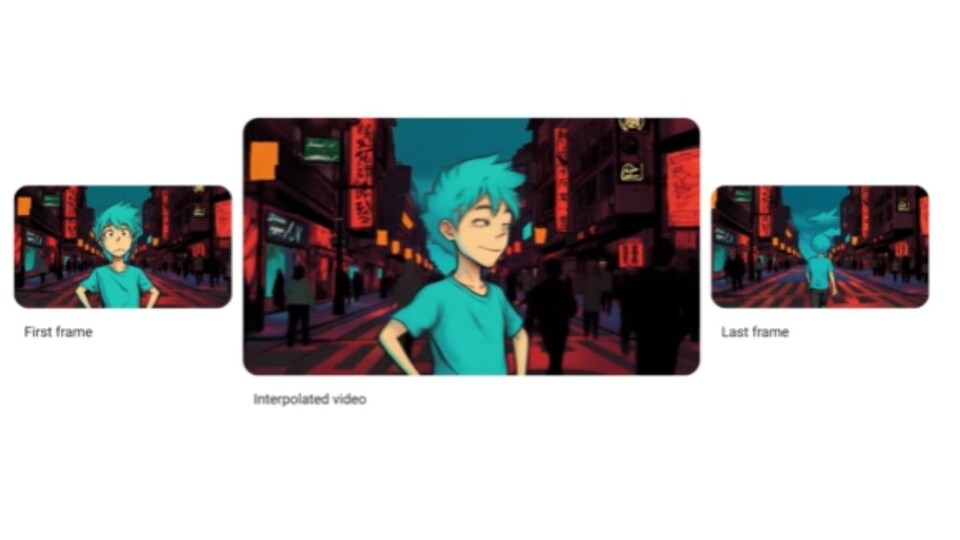

This new tool leverages the power of Google Cloud’s Vertex AI, bringing a host of sophisticated AI models into one easy-to-use platform designed for both professionals and those with no video editing experience.
Also read: CMF Phone 2 Pro design teased ahead of India launch April 28 launch: Know what to expect
One Platform for Visuals, Voice, and Music
At its core, Vertex AI Media Studio combines Google’s top-tier models to handle every aspect of video production. Users can begin by generating an image using Imagen 3, Google’s image generation tool. From there, Veo 2, Google’s video generation model, takes over, transforming the still image into a video. The model allows users to customise the video in various ways - such as choosing camera movements like drone shots or panning - and to adjust the video’s frame rate and duration. If any elements in the video don’t meet the user’s preferences, a Magic Eraser feature lets them quickly remove unwanted aspects, similar to the tool available in Google Pixel phones.
Also read: Vivo X200 Ultra’s photography kit unveiled with seven smart features ahead of official launch
Once the visual elements are finalised, Chirp, another of Google’s AI models, adds a voiceover to the video. To finish the production, Lyria, developed by Google DeepMind and YouTube, generates a background music track to complete the soundscape. The result? A polished video that is ready to share and looks as though it required a team of experts to produce - all from a single workspace in Vertex AI Studio.
Tools for Developers and Non-Technical Users
This platform opens up new possibilities for creators of all levels, allowing both developers and non-technical users to experiment with various media types. With the Gemini models integrated into Vertex AI, users can generate everything from text and images to code, all within the same environment. However, this ease of use also raises important questions about creativity and the ethical use of AI in content creation.
Also read: Oppo Find X8s full specifications and images tipped online ahead of April 10 launch
While it’s clear that Vertex AI Media Studio is a game-changer for those looking to produce high-quality videos without a steep learning curve, the future of AI-driven creativity is still unfolding. Google’s bet is that many users will embrace this streamlined approach to video production, especially those without video editing experience.


