
 E-Paper



Only 31% women own mobile phones, says Oxfam report on India digital divide
Oxfam said gendered social benchmarks tend to dictate what is 'appropriate' for men and women in this scenario, and that this has led to a relatively lower level of use and assimilation of digital services for women when compared to men.

 Prefer HTon Google


Less than 32 per cent of women in India own a mobile phone - compared to over 60 per cent of men - Oxfam said in a report published Monday. The 'India Inequality Report 2022: Digital Divide' considers data till the end of 2021 to underline the role gender inequality plays in deepening the digital divide between men and women.
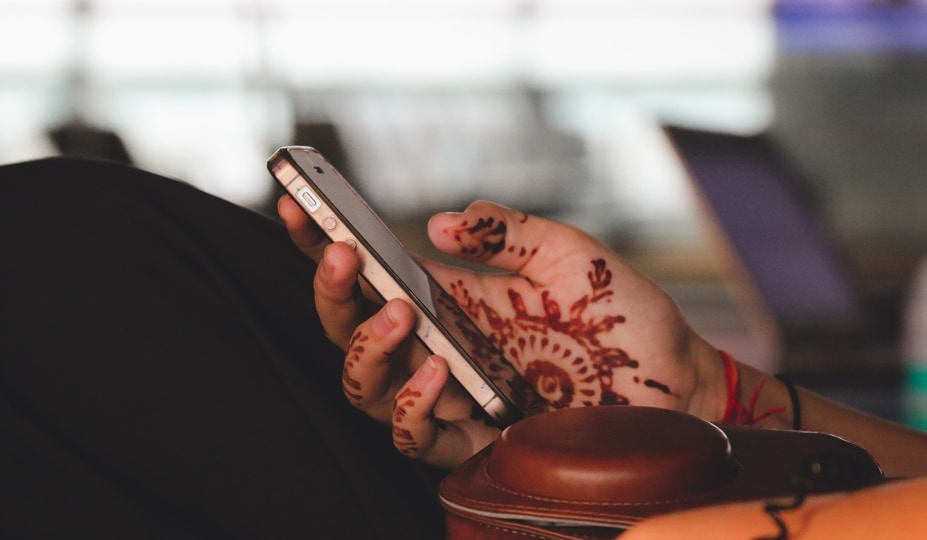
The report says women generally have handsets that cost less and are not as sophisticated as those used by men, and that their usage of digital services is usually limited phone calls and text messages. "Women use digital services less often and less intensively, and they access the internet less frequently, for fewer reasons," the report stated.
Citing Observer Research Foundation data, the Oxfam report said India accounts for half the world’s gendered digital divide given that only a third of all internet users are women.
ALSO READ: The digital divide and is it holding back women in India?
Oxfam said gendered social benchmarks tend to dictate what is 'appropriate' for men and women in this scenario, and that this has led to a relatively lower level of use and assimilation of digital services for women when compared to men.
"Owning and using a digital device is a household decision decided by the man."
In addition, the report also highlights stark digital inequality based on region, income, caste and education, after analysing data from the Centre for Monitoring Indian Economy (CMIE) and the National Sample Survey (NSS).
According to data presented in the report, there are only 57.29 internet subscribers per 100 people in the country and that number is significantly lower in rural areas than urban.
In rural areas internet subscribers per 100 are less than 34. It is over 101 in urban centres.
"… to imagine a world truly equal, digital transformation cannot be posited as a solution for structural inequalities of socioeconomic realities. It is imperative to address structural challenges in the universal provisioning of education, health, and financial inclusion. Digital transformation will then follow," Oxfam India CEO Amitabh Behar said in the report


