Every monsoon, laundry becomes one of the most frustrating household chores. Clothes take forever to dry, towels stay damp for hours, and that unpleasant musty smell can appear even after a fresh wash. I realised that simply owning a washing machine wasn't enough. The real difference came from building a practical laundry setup designed for rainy weather.
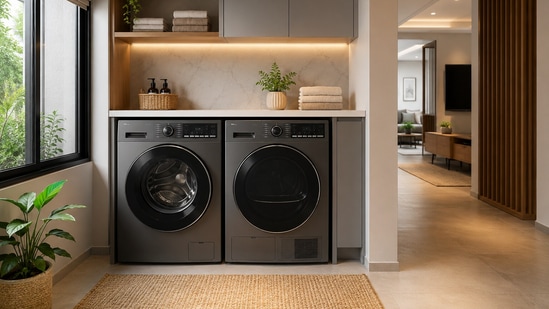
Instead of depending on sunlight that rarely shows up during the season, I started using appliances and accessories that speed up drying, improve airflow and reduce moisture indoors. Small changes like choosing the right washing machine, improving ventilation and avoiding common laundry mistakes made everyday washing far more manageable.
If you're tired of re-washing clothes because they never dry properly or are looking for ways to keep fabrics fresh throughout the rainy season, here's the monsoon laundry setup that has worked well for me and the products I'd recommend adding to your home.
Why monsoon makes laundry so difficult
The monsoon may bring relief from the heat, but it also turns laundry into a daily challenge. High humidity slows down the natural evaporation of water from fabrics, so even after a high-speed spin cycle, clothes can stay damp for hours or sometimes even days. If they're dried indoors without enough airflow, they often end up smelling musty instead of fresh.
Towels, jeans, bedsheets and thicker fabrics are usually the hardest to dry, and repeated exposure to moisture can encourage mould and bacteria to grow. The situation becomes even more frustrating for families who do laundry every day, as the drying rack fills up quickly while yesterday's clothes are still hanging. That's why I stopped depending only on sunlight and started making a few practical changes to my laundry routine. A better setup has made monsoon laundry far less stressful and has helped keep clothes fresher throughout the season.
The monsoon laundry setup to rely on
Start with the right washing machine
The biggest change I made was switching to a washer dryer. During the monsoon, sunshine is unpredictable, and relying on outdoor drying isn't always practical. A washer dryer lets me wash and dry clothes in the same appliance, which is especially useful for office wear, school uniforms, gym clothes and everyday essentials that I need quickly.
I also look for a machine with a high spin speed, ideally 1,200 RPM or above. The faster the drum spins, the more water it removes before the drying cycle begins. Features like quick wash, steam care and AI-powered fabric detection are useful additions that help optimise washing while reducing the chances of clothes staying damp.
Improve airflow indoors
Good airflow is just as important as the washing machine itself. Drying clothes in a closed room slows the process because moisture gets trapped indoors. I try to keep windows slightly open whenever it's not raining heavily and use ceiling or pedestal fans to keep air moving around the drying area.
If your laundry space has an exhaust fan, turning it on while clothes are drying can help remove humid air more efficiently. Even simple cross ventilation by opening windows on opposite sides of the house can make a noticeable difference. Better airflow helps clothes dry faster and reduces the chances of that familiar damp smell.
Control indoor moisture
One thing I underestimated was how much indoor humidity affects drying time. Even after washing clothes properly, high moisture levels inside the house can prevent fabrics from drying completely.
If you already have an air conditioner, switching to Dry Mode while clothes are drying can help reduce excess humidity. In homes that stay humid throughout the rainy season, a dehumidifier can make an even bigger difference by removing moisture from the air. Besides helping laundry dry faster, it also creates a more comfortable indoor environment and reduces the likelihood of mould forming around the drying area.
Dry clothes smarter
How you hang your clothes matters more than most people realise. I avoid overcrowding the drying rack because tightly packed clothes trap moisture and take much longer to dry. Leaving enough space between garments allows air to circulate freely.
I also shake each garment before hanging it to remove wrinkles and help the fabric spread out evenly. Heavy items like towels and jeans are hung separately, while shirts and T-shirts are turned inside out to help thicker sections dry more evenly. Foldable drying racks placed near a fan or a well-ventilated window work surprisingly well during extended rainy spells.
Keep laundry smelling fresh
One of the easiest ways to avoid musty-smelling clothes is to remove them from the washing machine as soon as the cycle finishes. Leaving wet clothes inside the drum for hours creates the perfect environment for unpleasant odours.
I also make it a habit to leave the washer door slightly open after every wash so the drum can dry naturally. Cleaning the detergent drawer, rubber door gasket and lint filter regularly prevents residue from building up, which can otherwise lead to stale smells. Running a drum-clean cycle every few weeks also helps keep the washing machine fresh, especially during the humid monsoon months.
Common monsoon laundry mistakes to avoid
Overloading the washing machine
Stuffing too many clothes into the drum prevents proper washing and spinning. Clothes retain more water, making them harder to dry afterwards.
Leaving washed clothes inside the drum
Even a couple of extra hours inside the washing machine can leave clothes smelling stale. It's always better to hang them immediately after the wash cycle finishes.
Using too much detergent
Excess detergent doesn't make clothes cleaner. Instead, it can leave residue on fabrics, making rinsing more difficult and increasing drying time.
Hanging clothes too close together
When garments overlap, air cannot circulate properly. Giving each item enough space helps moisture escape much faster.
Ignoring washing machine maintenance
A dirty drum, clogged filter or detergent drawer can contribute to unpleasant odours that transfer onto freshly washed clothes. Regular maintenance keeps both the machine and your laundry smelling fresh.
Drying clothes in poorly ventilated rooms
Keeping windows shut and drying clothes in enclosed spaces traps humidity indoors. Better airflow, fans or an exhaust system can significantly reduce drying time while helping prevent mould and mildew.
Washer dryers I'd recommend for the monsoon
{{#product}}{{/product}}
This Haier washer dryer combines a 10.5 kg washing capacity with a 7 kg drying capacity for larger laundry loads. Its Direct Motion Motor and AI sensor drying support efficient, fabric-aware operation. Features such as PuriSteam and I-Refresh provide additional garment-care options, while Wi-Fi connectivity enables remote control. The 1400 RPM spin speed helps extract excess moisture before drying, making it suitable for households seeking an integrated wash-and-dry appliance.
What buyers are saying on Amazon?
Buyers appreciate its large capacity, smart controls, washing performance and convenient integrated drying.
Why choose this product?
Choose it for AI drying, Wi-Fi control, steam care and versatile wash-dry functionality.
…………………………….
{{#product}}{{/product}}
Our Principles
Full Transparency
Every product review clearly lists the Pros and Cons, giving you a balanced view.
Brand Confidence
We focus on products from brands with a proven reputation and long-standing market trust.
The LG Smart Choice 11kg/7kg washer dryer is a practical choice for the monsoon, especially for large families dealing with frequent laundry loads. Its 1,400 RPM spin speed removes excess water efficiently, while the built-in drying function means you don't have to rely on sunlight.
AI Direct Drive adjusts wash motions based on fabric type, and Steam technology helps reduce allergens and bacteria, making clothes feel fresher during humid weather.
Why choose this product?
Choose this LG washer dryer if you want a large-capacity appliance that can wash and dry clothes without depending on sunlight. Its intelligent fabric care, powerful spin speed and built-in drying make it especially useful for tackling damp laundry during the monsoon while reducing the effort of separate washing and drying cycles.
{{#product}}{{/product}}
The IFB Executive ZMN CMS is designed to make monsoon laundry more convenient with its 3-in-1 washer, dryer and refresher functions. Its 1,400 RPM spin speed removes excess water to reduce drying time, while Steam Refresh helps revive lightly worn clothes without a full wash.
AI-powered wash optimisation and multiple drying modes make it a practical choice for humid weather.
Why choose this product?
Choose this IFB washer dryer if you want an appliance that does more than just wash clothes. Its built-in drying and Steam Refresh functions are especially useful during the monsoon, helping you wear fresh, dry clothes even when outdoor drying isn't possible.
{{#product}}{{/product}}
The Electrolux UltimateCare 500 is a dependable washer dryer for the monsoon, combining washing and drying in one appliance. Its Wash to Dry programme delivers ready-to-wear clothes without depending on sunlight, while Vapour Wash and Hygienic Care help remove germs and allergens.
The EcoInverter motor keeps operation quieter and more energy efficient, making it suitable for everyday use.
Why choose this product?
Choose the Electrolux UltimateCare 500 if you want a washer dryer that simplifies monsoon laundry. Its automatic drying programmes, steam-based hygiene features and energy-efficient operation make it a practical option for keeping clothes fresh, clean and ready to wear even during extended rainy spells.
{{#product}}{{/product}}
The Bosch 12kg/7kg washer dryer is built for large households that need dependable laundry care during the monsoon. Its 1,400 RPM spin speed extracts more water from clothes, while the Wash & Dry 60' programme delivers ready-to-wear garments quickly.
Features like AI ActiveWater, an EcoSilence Drive motor and an in-built heater help improve washing performance while keeping operation efficient.
Why choose this product?
Choose the Bosch 12kg/7kg washer dryer if you have a large family and need a machine that can handle bulky loads throughout the rainy season. Its high spin speed, quick wash-and-dry programme and hygiene-focused features make it well suited for keeping clothes dry, fresh and ready to wear when sunlight is scarce.
{{#product}}{{/product}}
If you already own a washing machine, the LG 9kg Heat Pump Dryer is an excellent addition for the monsoon. Unlike washer dryers, this appliance is dedicated to drying clothes, delivering better drying performance with lower energy consumption.
Its Dual Inverter Heat Pump, Sensor Dry and EcoHybrid technology ensure clothes come out dry while helping protect delicate fabrics from excessive heat.
Why choose this product?
Choose this LG dryer if you already have a washing machine and want faster, more efficient drying during the monsoon. Its Heat Pump technology, Sensor Dry and dedicated drying performance help keep clothes dry, fresh and ready to wear without relying on unpredictable sunshine.
Top 3 features of the best washer dryers for monsoon season
| Washing Machine | Dry Capacity | Drying Modes | Special Features |
| Haier 10.5 Kg 5 Star AI Washer Dryer with Wi-Fi | 7 kg | AI Sensor Dry | PuriSteam Technology |
| LG Smart Choice 11kg/7kg AI Direct Drive Washer Dryer | 7kg | Wash + Dry, Dry Only | AI Direct Drive, Steam, 6 Motion DD, TurboWash 59, Wi-Fi (LG ThinQ), 1,400 RPM |
| IFB Executive ZMN CMS 9kg/6kg/3kg Washer Dryer Refresher | 6kg | Multiple Drying Modes, Time Dry, Steam Refresh | AI-powered wash, PowerSteam, 9 Swirl Wash, Wi-Fi, 1,400 RPM |
| Electrolux UltimateCare 500 9kg/6kg Washer Dryer | 6kg | Wash to Dry, WashDry 60 | AutoSense, Vapour Wash, Hygienic Care, UltraMix, EcoInverter Motor |
| Bosch 12kg/7kg Front Load Washer Dryer (2026 Model) | 7kg | Wash & Dry 60', Standard Drying | AI ActiveWater, EcoSilence Drive, In-built Heater, Anti-Allergen, 1,400 RPM |
| LG 9kg Dual Inverter Heat Pump Dryer* | 9kg | Sensor Dry, Eco Dry, Speed Dry, Gentle Dry | Dual Inverter Heat Pump, EcoHybrid, Auto Cleaning Condenser, Allergy Care, Wi-Fi |
Similar stories for you
5 large-capacity washers that can clean a week’s worth of family laundry in one load
6kg, 8kg, or 10kg? Find the right washing machine capacity for your family's needs
Top load vs. front load washing machines in 2026: The ultimate guide to not regret your purchase
The Research & Expertise
I’ve been covering consumer technology and home appliances for several years and have closely tracked how washing machines have evolved in Indian households, from basic semi-automatic models to AI-powered fully automatic machines with smart diagnostics and fabric-specific wash technologies.
I compared aspects such as wash performance, water and energy efficiency, inverter motor technology, drum design, spin speeds, smart features, noise levels, maintenance requirements, and overall usability in real Indian home conditions. I also analysed buyer reviews, service feedback, and long-term user experiences to understand reliability, fabric care, and everyday practicality. Like all HT journalists, my recommendations and insights are based entirely on independent research, hands-on understanding of the category, and consumer relevance.
Disclaimer: At Hindustan Times, we help you stay up-to-date with the latest trends and products. Hindustan Times has an affiliate partnership, so we may get a part of the revenue when you make a purchase. We shall not be liable for any claim under applicable laws, including but not limited to the Consumer Protection Act, 2019, with respect to the products. The products listed in this article are in no particular order of priority.