
 E-Paper



Crocodile impregnates herself, ‘virgin birth’ intrigues scientists
The phenomenon is referred to as "virgin birth” or scientifically as parthenogenesis.

 Prefer HTon Google


A crocodile in a Costa Rica zoo got pregnant by herself. Her foetus is reportedly 99.9% genetically identical to herself. This incident has left many stunned, including scientists.
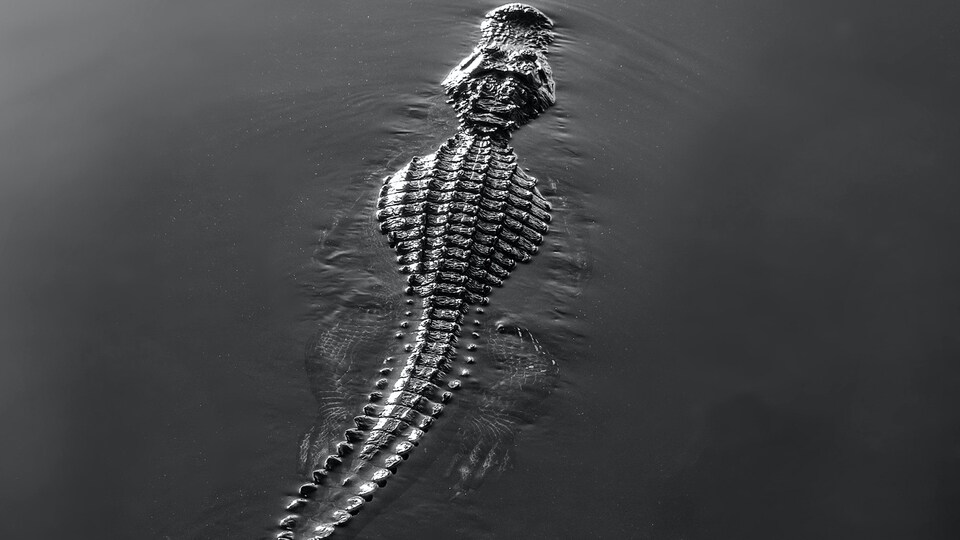
“We see it in sharks, birds, snakes and lizards and it is remarkably common and widespread”, Dr Warren Booth who analysed the foetus told the BBC. ''There was a big increase in reports of parthenogenesis when people started keeping pet snakes. But your average reptile keeper doesn't keep a crocodile,” he added. The phenomenon referred to as "virgin birth” - scientifically as parthenogenesis - is very common in birds too. However, this phenomenon has never been recorded before in crocodiles.
Also Read: Australian man frees his head from the jaws of a crocodile
The crocodile in question is an 18-year-old female American crocodile. The foetus inside her was fully formed but stillborn. The reptile was acquired by the zoo when she was two-year-old and mostly stayed separated from other crocodiles all her life.
The study about this unusual incident is published in Biology Reports. It is titled “Discovery of facultative parthenogenesis in a new world crocodile”.
Also Read: Crocodiles chase away cheetahs, snatch their prey. Watch
“Once considered rare, the ability of sexually reproducing species to generate offspring without genetic contributions of males, termed facultative parthenogenesis, has been documented across multiple vertebrate lineages, including both avian and non-avian reptiles,” reads a part of the study. It also explains that parthenogenesis has not been recorded in reptiles like crocodiles, alligators and gharials.


