E-Paper



Delhi's hazardous air quality overshadows Los Angeles wildfire-hit skies: 'A choking reality'
LA's wildfires pushed AQI to "moderate," but Delhi's air hit a hazardous 410, highlighting its chronic pollution crisis and severe health risks.

 Prefer HTon Google


Renowned for its glamour and allure, Los Angeles County is now battling devastating wildfires that have shrouded parts of the region in choking smoke. The city’s Air Quality Index (AQI) recently dipped into the "moderate" category, with a recorded AQI of 97, according to Swiss air quality monitor IQAir.
(Also read: Luxury mansion listed for ₹288 crore seen ablaze amid Los Angeles wildfires. Video)
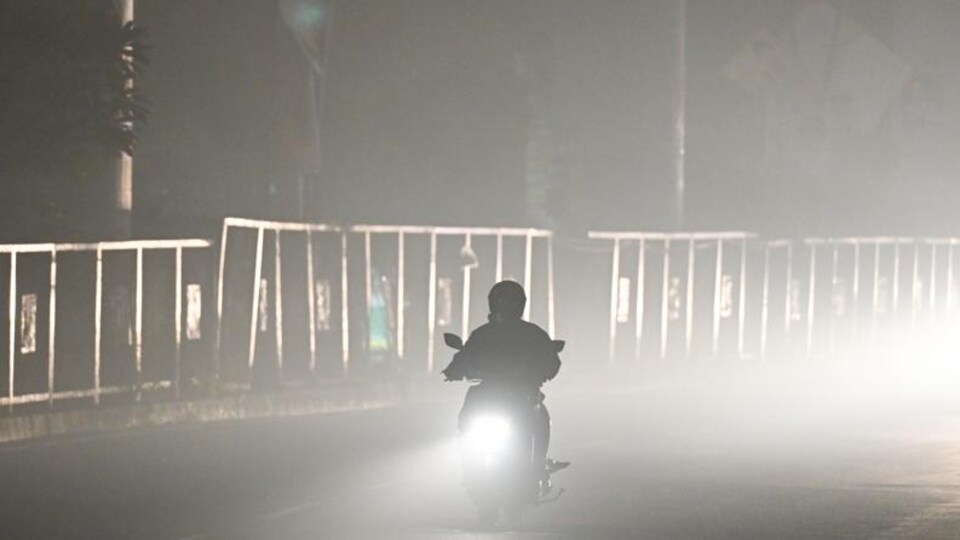
However, this environmental calamity in LA pales in comparison to Delhi’s persistent pollution. The Indian capital, infamous for its smog, recorded an AQI of 374 on Friday evening, which escalated to a hazardous 410 by Saturday morning. Classified as "severe" by the Central Pollution Control Board (CPCB), these levels spotlight a stark disparity, underscoring Delhi’s ongoing struggle with toxic air.
GRAP stage III restrictions re-imposed
Amidst the severe pollution, calm winds, and dense fog, the Centre’s air quality panel reinstated Stage III curbs under the Graded Response Action Plan (GRAP) on Thursday. These restrictions aim to mitigate pollution through measures like banning non-essential construction and shifting classes up to grade V to a hybrid learning mode.
Stage III also restricts BS-III petrol and BS-IV diesel vehicles in Delhi and the NCR region, with exemptions for persons with disabilities. Non-essential diesel-operated medium goods vehicles adhering to BS-IV or older standards are similarly prohibited. Yet, these measures barely scratch the surface of Delhi’s air quality crisis, rooted in chronic issues such as vehicular emissions, stubble burning, construction dust, and industrial pollutants.
(Also read: Vijay Mallya's son Sidhartha, wife in Los Angeles amid wildfires; share an update)
Delhi’s pollution: A daily hazard
While Los Angeles grapples with wildfire-induced pollution, Delhi residents endure hazardous air as a near-constant reality. Despite the CPCB classifying AQI levels from "good" (0-50) to "severe plus" (above 450), Delhi has seen a grim spike in "severe" AQI days. This year alone, the city reported 17 days exceeding the AQI 400 mark and 70 days classified as "very poor." Alarmingly, not a single "good" air quality day was recorded in 2024, a bleak milestone last observed in 2018.
Breathing delhi’s air: A health catastrophe
Doctors equate breathing Delhi’s air to smoking ten cigarettes daily, emphasising the severe health risks for its 30 million residents. Prolonged exposure exacerbates respiratory ailments and poses significant long-term health concerns. Authorities advise residents to limit outdoor activities, especially during peak pollution hours, use air purifiers, and wear masks in heavily polluted areas.