DeepSeek founder Liang Wenfeng recently revealed why his team generally doesn’t work overtime or take night shifts. The founder of the $60 billion AI powerhouse further expressed the reason behind the laid-back approach.
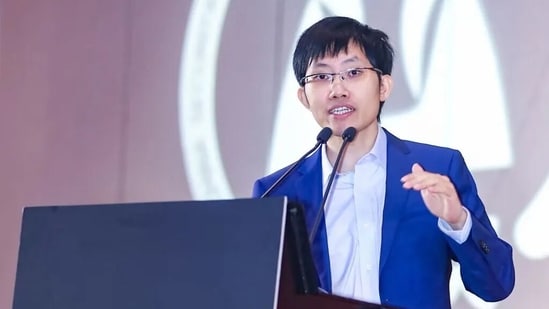
“We generally don’t work overtime,” Wenfeng revealed, reported Fortune. He added, “First, research needs a relaxed environment; if you push too hard, you can’t do research. Second, we’re very focused, which means we do very few things.”
At a time when most people talk about a stressful workplace, Wenfeng revealed that work hours at his company are relaxed. Not just that, he conveyed that there is no rigid hierarchy within the company.
“We don’t really have an organization—we’re driven by a vision, organized by a vision,” adding, “That vision isn’t even written down. We’ve never written anything.”
{{/usCountry}}“We don’t really have an organization—we’re driven by a vision, organized by a vision,” adding, “That vision isn’t even written down. We’ve never written anything.”
{{/usCountry}}The employees aren’t given any targets. “No one manages them. No KPIs,” he said. He continued, “We hope ‘formal work’ doesn’t take more than half of an employee’s time. The other half is unallocated. They can do whatever they want.”
Why is that surprising?
The founder’s stance on the work culture at his company is in direct contrast with China’s commonplace 996 culture. Many tech workers who work from 9 am to 9 pm, six days a week, wear it as a badge of honour, despite it being outlawed in 2021, the outlet reported. Deepseek is an exception to that culture.
There are tech founders who insist that the old model is the way to success. Among them is Harry Stebbings, founder of the 20VC fund, who ignited a debate with his LinkedIn post last year.
“7 days a week is the required velocity to win right now. There is no room for slip-up. You aren’t competing against a random company in Germany etc but the best in the world,” he had written.
Also Read: ‘I messed up’: Founder apologises for offering job interviews to party guests willing to get tattoos
Martin Mignot, partner at Index Ventures, had expressed the same notion: “Forget 9 to 5, 996 is the new startup standard.”
“Back in 2018, Michael Moritz introduced the West to China’s ‘996’ work schedule…At the time, the piece was controversial. Now? That same schedule has quietly become the norm across tech,” Mignot said on social media, adding, “And founders are no longer apologizing for it.”