A founder’s LinkedIn post about Mumbai's Ganesh Utsav has sparked a widespread online discussion on commercialisation. She slammed brands and organisers for plastering advertisements across sacred spaces, arguing that aggressive ad banners ruin the spiritual experience for the devotees.
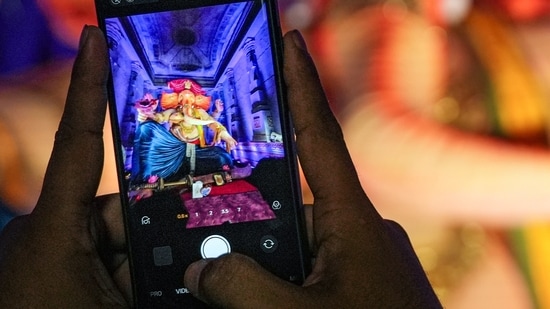
“This year, many of Mumbai’s popular Ganesh Utsav mandals felt anything but spiritual or religious. Advertisements at every corner. Brand creatives covering gates, pillars and facades. Ordinary devotees struggling through crowds, often treated with very little dignity if not VIP,” Shruti H Chaturvedii wrote on LinkedIn.
She held both event organisers and advertisers accountable for replacing spiritual reverence with aggressive marketing.
“Mandals deserve criticism for turning every available surface into something that can be sold. But brands and advertisers (including politicians) are equally responsible for this ugliness.”
Drawing from her professional background, Chaturvedii revealed that she actively advises clients against intrusive festival placements. She argued that aggressive ad tactics fail to generate real customer value and fundamentally misunderstand consumer psychology.
“No one struggling to keep their child on their shoulder so the child can breathe is going to look at your brand creative and say ‘wow what a great banner let me buy from them’.”
{{/usCountry}}“No one struggling to keep their child on their shoulder so the child can breathe is going to look at your brand creative and say ‘wow what a great banner let me buy from them’.”
{{/usCountry}}She further claimed that intrusive advertising in uncomfortable situations creates negative associations rather than brand loyalty.
“When a devotee’s entire experience is frustrating, uncomfortable and undignified, brand banners plastered across that experience aren’t necessarily creating positive brand recall. They risk becoming part of what people resent.”
She continued, “The attention at a religious festival should be on the deity. In this case, Lord Ganesh… But when your brand posters scream for attention at every corner because visibility is your KRA, you’re polluting the very essence of the festival. And the sad part is - this could have done this in a much more meaningful, useful and elegant way!”
She criticised marketers for sticking to uninspired ad placements rather than creating meaningful experiences for attendees, arguing that corporate support can be provided without overwhelming the venue.
Concluding her post, she called on brands to prioritise the dignity of worshippers and respect for the deity above marketing metrics.
“Let deity have the attention He should have. Let devotees get a better experience than being treated like cattles. Work with Mandals to invest in solutions that make devotee experience a little better. Little easier. Your brand cannot be bigger than the devotees. And definitely not bigger than the deity devotees gather to see.”
What did social media say?
An individual wrote, “That's Concerning Actually... The situation was almost similar in Raipur and Bhilai (Chhattisgarh).”
Another posted, “Such an insightful observation from such a young mind. Folks like you give hope to our generation. Very well articulated, a real issue of commercialisation of spiritualism through religion.” A third expressed, "I understand your point, but it is not always bad to be a brand partner on such festivals. Some collaborations are extremely thoughtful and equally useful for the devotees. I know Pidilite does a lot of them, you can check out their creative campaigns around Mahakumbh (Fevicol jodi), Pandharpur Yatra (Dr Fixit), etc. Welspun has also done a few. But it starts from the DNA of the brand, which flows into the idea and the prep that these guys do.”