In a deeply emotional and urgent LinkedIn post, an Indian-origin woman based in Singapore has shed light on the harrowing ordeal her mother faced as a victim of what is increasingly being recognised as a “digital arrest scam.” The post, shared by Richa Goswami and now gone viral, offers a chilling insight into a highly sophisticated cybercrime operation that employs psychological manipulation to exploit vulnerable individuals—particularly elderly people living alone.
(Also read: ‘Maan gaya main aapko’: Scammer praises girl who beats him at his own game. Watch)
A widow, a scientist, a victim
Goswami began her post with a message: “This is the hardest post I’ve ever had to write. But I’m writing it because it could happen to your mother. Your father. Your loved ones.”
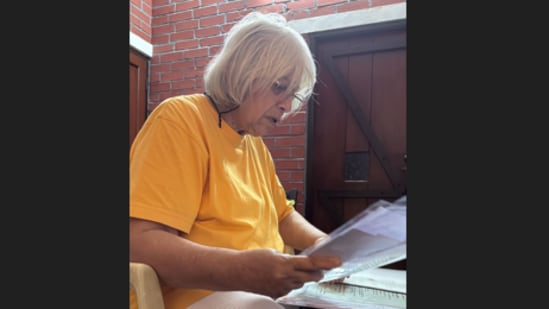
Her mother, Dr Usha Goswami, a senior scientist and widow, with several international patents to her name, recently lost her entire life savings to cybercriminals. “This wasn’t a phishing link or a suspicious email. It began with a video call,” Goswami recounted.
Psychological manipulation and fear
According to the post, individuals posing as law enforcement officials accused Dr Goswami of being involved in money laundering and human trafficking through her Aadhaar credentials. They presented fabricated documents and altered videos to convince her. Over several days, they kept her under “digital arrest”—isolating her, threatening her, and mentally coercing her into transferring her entire savings.
{{/usCountry}}According to the post, individuals posing as law enforcement officials accused Dr Goswami of being involved in money laundering and human trafficking through her Aadhaar credentials. They presented fabricated documents and altered videos to convince her. Over several days, they kept her under “digital arrest”—isolating her, threatening her, and mentally coercing her into transferring her entire savings.
{{/usCountry}}Goswami wrote: “This is not just a scam. It is psychological warfare — and it is targeting educated, law-abiding citizens, especially elderly people living alone.”
A call for awareness and vigilance
In her appeal, Goswami urged people to speak with their parents and loved ones about such scams. “These scammers use fear, shame, and confusion as their most powerful weapons.”
She concluded with a plea: “Please share this post. It might protect someone’s parents from a devastating mistake. Let’s look out for each other.”
Support and outrage pour in
The post struck a chord across LinkedIn, generating a wave of empathy and anger.
(Also read: ₹550 to ₹50">Travel vlogger slammed for forcing Indian vendor to slash bag price from ₹550 to ₹50)
One user wrote, “Thanks for sharing, Richa. So sorry to hear this horrible ordeal and financial loss. Hope this is being reported to concerned authorities.”
Another added, “This is just another devastating example of a crisis playing out quietly in countries all over the world.”
A third remarked, “This is scary! And this is not the first instance of such sophisticated cybercrime I’ve heard of.”
Others highlighted how their elderly parents had received similar threatening calls and were left shaken. “My dad has received many such calls and calls me immediately in fear,” one wrote.
Another user urged action: “I hope the cyber cell is investigating and can trace the video calls. Our prayers are with your mother.”